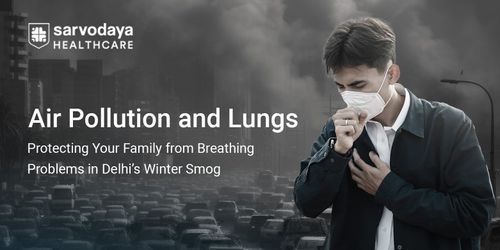


Air pollution has become a growing health concern across Delhi NCR, especially during winters. A combination of vehicle emissions, construction dust, industrial pollution, smoke from various sources and seasonal weather conditions can contribute to poor air quality and high AQI (Air Quality Index).
The resulting smog can make the air unhealthy to breathe, particularly for children, older adults, pregnant women and people with existing heart or lung conditions.
Although individual precautions cannot eliminate exposure to air pollution, they can help reduce the amount of polluted air you breathe.
Here are eight practical tips to protect yourself from pollution, high AQI, harmful smoke and smog in Delhi NCR. But let us first understand AQI and its normal and dangerous levels.
What is Air Quality Index(AQI)?
The Air Quality Index (AQI) indicates how clean or polluted the air is and the potential health risks associated with breathing it.
In India, the AQI ranges from 0 to 500, managed by the Central Pollution Control Board (CPCB). A lower AQI (0-50) indicates better air quality, while a higher AQI indicates greater pollution and health concerns.
AQI is calculated using measurements of pollutants such as PM2.5, PM10, nitrogen dioxide, sulphur dioxide, carbon monoxide and ozone
Read More - How Delhi’s Air Pollution Impacts Your Heart – and What You Can Do About It
What Are the Normal and Dangerous AQI Levels in India?
According to India's Central Pollution Control Board (CPCB), the AQI is classified into six categories:
| AQI Level | Air Quality | What It May Mean for Your Health |
|---|---|---|
| 0–50 | Good | Minimal health impact. |
| 51–100 | Satisfactory | May cause minor breathing discomfort in sensitive individuals. |
| 101–200 | Moderate | May affect people with asthma, lung or heart conditions, children and older adults. |
| 201–300 | Poor | Prolonged exposure may cause breathing discomfort in many people. |
| 301–400 | Very Poor | Prolonged exposure increases the risk of respiratory illness. |
| 401–500 | Severe | Can affect even healthy people and cause serious health impacts in those with existing heart or lung conditions. |
How Can You Protect Yourself During High AQI Levels in Delhi NCR?
1. Check the Air Quality Index (AQI) Daily
Avoid going outside unnecessarily. Before stepping outdoors, check the Air Quality Index (AQI) for your area. The AQI indicates the level of air pollution and its potential health effects. Take all the precautions based on the air quality to protect your lungs.
When the AQI is poor, very poor or severe, limit prolonged outdoor exposure and follow the applicable health advisories. Children, older adults and people with respiratory or cardiovascular conditions should take additional precautions.
2. Wear a Well-Fitted N95 Mask Outdoors
If you must go outdoors in high AQI, wear a well-fitted N95 respirator mask. While it cannot completely eliminate pollution, dust or harmful smoke, it can help reduce exposure to fine particles, including PM2.5.
Ensure the mask fits securely over your nose and mouth, with minimal gaps around the edges.
3. Limit Outdoor Activities During High Pollution
When air quality deteriorates, reduce the time you spend outdoors, especially near busy roads, construction sites and industrial areas.
Avoid unnecessary outdoor exposure during high-pollution episodes. If you need to travel, consider routes away from heavy traffic where practical, and follow local government advisories. Even if the sky is clear, it does not mean the air is fit to breathe. Take complete precautions based on the AQI and avoid staying outdoors for long.
4. Exercise Indoors on Smoggy Days
Physical activity is important for overall health, but exercising outdoors during severe pollution can increase the amount of polluted air you inhale because breathing becomes faster and deeper.
On days with poor air quality, consider indoor alternatives such as gentle stretching, yoga or an indoor workout in a cleaner environment. Avoid strenuous outdoor activities when pollution levels are high, particularly if you have asthma, chronic obstructive pulmonary disease (COPD) or heart disease.
5. Keep Indoor Air Cleaner
Staying indoors may reduce exposure to outdoor pollution, provided indoor air quality is also managed.
Keep windows and external doors closed when outdoor pollution is high, while ensuring adequate ventilation when conditions permit.
Use a suitable air purifier and maintain its filters as instructed. Indoor air purification can help reduce particle concentrations, but it cannot remove every pollutant or guarantee completely clean air.
So it is important to follow all safety precautions and not rely solely on an air purifier.
6. Avoid Indoor Sources of Smoke
Outdoor smog is not the only source of harmful airborne particles. Activities inside your home can also affect air quality.
To reduce indoor pollution and maintain a healthy environment:
- Avoid smoking indoors and exposure to second-hand smoke.
- Avoid burning incense sticks, mosquito coils or other materials unnecessarily.
- Do not burn leaves, garbage, wood or other waste.
- Use cleaner cooking fuels and ensure appropriate kitchen ventilation.
- Prefer wet mopping over dry sweeping to reduce the disturbance of settled dust.
7. Take Extra Care of Children, Older Adults and Vulnerable Individuals
Children, older adults, pregnant women and people with cardiac problems and respiratory illnesses like COPD, Asthma etc are more susceptible to the effects of air pollution.
They should take extra precautions and consult a lung specialist to prevent any issues during these months of high smog and AQI.
During high-pollution episodes, keep outdoor activities to a minimum, particularly strenuous exercise. Follow medical advice and ensure prescribed medicines are available for people with existing conditions.
Parents should watch for persistent coughing, wheezing, breathing difficulties or unusual fatigue in children. People with chronic illnesses should not change their medication or treatment plans without consulting their healthcare provider.
8. Recognise Symptoms and Seek Medical Advice
Air pollution can cause or worsen several symptoms, including:
- Coughing or throat irritation
- Burning, red or watery eyes
- Wheezing or shortness of breath
- Chest tightness or discomfort
- Worsening asthma symptoms
If these symptoms persist or worsen, consult a pulmonologist near you. Seek urgent medical attention for severe breathing difficulty, significant chest pain, fainting or other serious symptoms.
Read More - Air Pollution and Lungs: Protecting Your Family from Breathing Problems in Delhi’s Winter Smog
Protect Your Lungs From Pollution and Smoke
Air pollution is an important public health concern, but informed precautions can help reduce exposure and protect your well-being. Stay updated on local air quality, make safer choices during high-pollution episodes and seek timely medical attention when symptoms arise.
At Sarvodaya Hospital, our Centre for Pulmonology and Sleep Medicine offers comprehensive respiratory care, from preventive guidance and early diagnosis to advanced treatment, disease management and recovery support, helping you protect your lung health at every stage.