


The beautiful world around us means little if we cannot see its vibrant colours, blooming flowers, endless skies, birds, animals, and the people we love. Eyes play an important role in how we learn, work, communicate, and experience life.
Yet many vision problems can develop gradually, while some eye conditions may cause significant damage before noticeable symptoms appear.
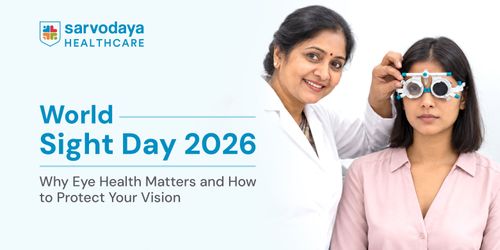
World Sight Day 2026, to be observed on 8 October 2026, as part of the global effort to raise awareness about eye health, highlights the importance of accessible and timely eye care. Led globally by the International Agency for the Prevention of Blindness (IAPB), the 2026 campaign continues the #LoveYourEyes movement, with a focus on people’s experiences, community action and making eye care accessible to everyone.
In this blog, we will explore the importance of World Sight Day 2026, its theme, causes of eye-related issues and the need for timely eye care.
What Is World Sight Day 2026?
World Sight Day is an annual global eye-health awareness day observed in October. World Sight Day 2026 falls on Thursday, 8 October. The campaign encourages individuals, communities, healthcare professionals and organisations to prioritise eye health and improve access to appropriate eye care.
People often don’t prioritise eye health until they experience a problem. Excessive screen time, an unbalanced diet, inadequate sleep, prolonged exposure to UV rays, and other lifestyle factors can contribute to poor eye health and increase the risk of vision problems.
The 2026 campaign continues under the #LoveYourEyes movement. IAPB is also encouraging people to share their experiences and make pledges to prioritise eye health, with a global goal of five million pledges. Activities include eye-health awareness initiatives and screenings in schools, workplaces and communities.
Why Is World Sight Day 2026 Important?
Good vision contributes to independence, education, employment, mobility and quality of life. Vision problems can affect people of all ages, from children developing myopia to older adults experiencing cataracts, glaucoma or retinal conditions.
Many eye conditions can be prevented, managed or treated when identified at the right time. However, people may postpone an eye examination because they have no obvious symptoms or assume that vision changes are simply a normal part of ageing.
World Sight Day helps turn attention towards these issues and encourages people to seek appropriate eye care before a minor or manageable problem becomes a significant threat to vision.
Theme of World Sight Day 2026
The core theme and campaign for World Sight Day 2026, to be observed on Thursday, 8 October 2026, centres on the enduring #LoveYourEyes movement. It highlights the importance of making eye care accessible, available, and affordable to everyone, everywhere.
What are Eye Diseases?
Eye diseases can affect different parts of the eye and the surrounding structures. They may be acute, developing suddenly, or chronic, developing gradually and lasting for a longer period.
While many eye conditions affect the eyeball itself, eye diseases can also involve the eye muscles, eyelids, eye socket, or the skin and tissues surrounding the eyes. Recognising changes in your vision or eye health early can help with timely diagnosis and treatment.
What Are the Most Common Causes of Vision Problems?
Vision problems can have many causes, and people of all ages can experience them.
Some are temporary or easily corrected, while others require medical or surgical treatment.
Common causes include:
1. Refractive errors
Myopia, hyperopia and astigmatism can make objects appear blurred or distorted. These problems can often be corrected with spectacles, contact lenses or, where appropriate, other treatment options.
2. Cataracts
A cataract occurs when the eye's natural lens becomes cloudy. It can cause blurred vision, glare, difficulty seeing at night and faded colours. Cataracts become more common with age and can generally be treated effectively with surgery when they interfere with daily activities.
3. Glaucoma
Glaucoma damages the optic nerve and can lead to irreversible vision loss. It may develop without noticeable symptoms in its early stages, making appropriate eye examinations particularly important for people at higher risk.
4. Diabetic eye disease
Diabetes can affect the blood vessels of the retina and lead to diabetic retinopathy and other vision-threatening complications. People with diabetes should follow their doctor's recommendations regarding eye examinations and diabetes management.
5. Age-related retinal conditions
Changes affecting the retina and macula can occur with ageing and may affect central vision, making activities such as reading or recognising faces difficult.
6. Eye injuries and infections
Trauma, chemical exposure and certain eye infections can also affect vision. Prompt medical attention can be important in preventing complications.
What are the Early Signs That Indicate an Eye Problem?
Some eye conditions produce obvious symptoms, while others may initially be subtle. Sudden vision loss, sudden flashes and floaters, severe eye pain, infection, redness in the eye or other acute changes in vision require prompt medical assessment.
Warning signs related to eyes and vision that should not be ignored include:
- Blurred or distorted vision
- Difficulty seeing at night
- Frequent headaches associated with visual tasks
- Eye pain or persistent discomfort
- Redness or swelling
- Increased sensitivity to light
- Flashes of light or a sudden increase in floaters
- Double vision
- Sudden loss or reduction of vision
- Difficulty reading or seeing objects that were previously clear
- A noticeable change in vision between the two eyes
How Often Should You Get a Comprehensive Eye Examination?
There is no single examination schedule that applies to everyone. The appropriate frequency depends on age, symptoms, existing eye conditions, family history and other health risk factors.
People with diabetes, a family history of eye disease, previous eye problems or other risk factors may need more frequent monitoring as advised by an ophthalmologist.
Children also need appropriate vision screening as they grow. Early identification of vision problems can help prevent avoidable effects on learning and development.
What Can You Do to Protect Your Eyesight and Maintain Healthy Eyes?
Protecting your eyesight involves simple everyday habits as well as appropriate medical care. Improving lifestyle, eating green leafy vegetables, and reducing screen time are some of the most effective ways to protect the eyes.
Some of the ways to protect eyesight include:
● Protect your eyes from UV exposure
● Manage diabetes and other health conditions
● Avoid smoking
● Take digital eye breaks
● Eat a balanced diet
● Protect your eyes from injury
● Do not ignore changes in vision
How to Protect Your Eyes During Screen-heavy Work?
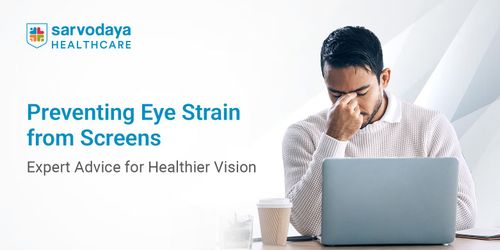
Blue-light exposure from screens like laptops, mobile phones, and tablets is often discussed as a cause of eye damage, but the stronger concern for most screen users is eye strain, dryness and disrupted visual comfort.
Good screen habits and regular breaks are more useful than relying solely on blue-light-blocking glasses. Some of the other ways to protect eyes during screen work include:
- Follow the 20-20-20 rule: Every 20 minutes, look at something about 20 feet away for at least 20 seconds.
- Blink frequently: Screen use can reduce blinking, leading to dry or irritated eyes. Make a conscious effort to blink fully and regularly.
- Maintain a comfortable viewing distance: Keep your computer screen roughly an arm’s length away and position it so you are looking slightly downward.
- Adjust screen brightness: Keep the screen brightness comfortable and broadly matched to the surrounding room lighting. Avoid working in a very dark room with a bright screen.
- Take regular breaks: Step away from your screen during longer work sessions. Stand up, walk around, and give your eyes a chance to relax.
- Keep text at a comfortable size: Increasing font size and display scaling can reduce the need to squint or lean toward the screen.
- Maintain good lighting: Use adequate, evenly distributed lighting around your workstation rather than relying only on the screen.
- Keep screens and lenses clean: Dust, fingerprints and smudges can make your eyes work harder.
- Get regular eye examinations: Especially if you have persistent headaches, blurred vision, dry eyes, eye pain or difficulty focusing.
When Should You Consult an Ophthalmologist for Vision Problems?
You should consider consulting an ophthalmologist if you experience persistent blurred vision, eye pain, recurring redness, double vision, difficulty seeing at night or other changes in your eyesight.
Some symptoms require urgent assessment, particularly sudden vision loss, sudden onset of flashes or floaters, severe eye pain, or a sudden vision change.
You should also discuss regular eye examinations with an ophthalmologist if you have diabetes, a family history of glaucoma or other eye diseases, previous eye problems, or other factors that increase your risk.
World Sight Month: Make Eye Health a Year-Round Priority
Although World Sight Day 2026 provides an important reminder, eye care should not be limited to a single day or month.
Sarvodaya Hospital brings a well-experienced team of eye specialists, surgeons and technicians who are highly skilled in managing and treating all kinds of eye conditions in people of all ages. From regular eye checkups to cataract surgery, laser surgery and more, we offer comprehensive eye care in our Centre for Ophthalmology.
If you experience regular headaches, blurry vision, pain in the eyes or have screen-heavy work, consult with an eye specialist and get eye care advice on time. Book a consultation today.