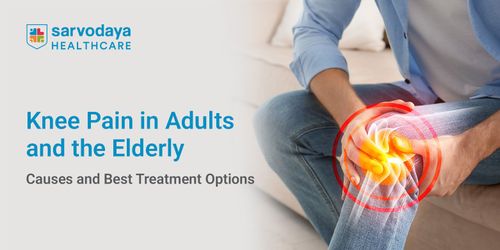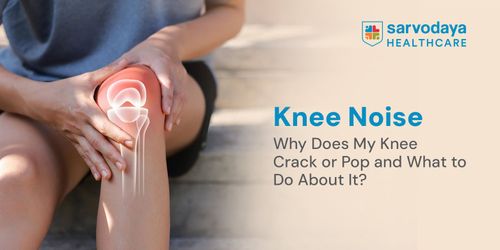




You work out and notice a mild pain in your knee. A few days later, you have pain going up the stairs. You assume that you injured your knee during your workout and simply wait for it to heal.Knee pain in a young person should not be dismissed simply because of age. Recurrent pain, swelling, instability or difficulty with movement can indicate an underlying problem that needs proper assessment. Identifying the cause early helps us choose the right treatment and protect long-term knee function.”
Sometimes knee pain resolves without treatment after resting the knee following the activity that led to pain. Persistent or recurrent knee pain and limited knee motion or a knee injury should be evaluated in a young person.
In this blog, we look at the common causes of knee pain in young adults, the signs that need medical care and how an orthopaedic specialist can help.
Knee Pain in Young Adults at a Glance
| Quick answer: Knee pain at a young age may come from a sports injury, repeated strain or pain around the kneecap. Many causes improve with changes in activity and guided exercise. Seek urgent medical care if you cannot bear weight, your knee changes shape, or it becomes hot and swollen while you feel unwell. |
Where the pain occurs and what brings it on can offer clues. An ache after running is different from sudden pain after a fall. Neither should be diagnosed from symptoms alone.
Common Causes of Knee Pain at a Young Age
Knee pain in young people does not always mean there is lasting damage to the joint.
These are some possible causes:
- Pain Around the Kneecap: This often hurts during running, squatting or stair climbing. It may also become noticeable after sitting with bent knees for a long time.
- Repetitive Strain: A sudden increase in running distance, workout intensity or jumping can put more stress on the knee than it is ready for.
- Tendon Problems: Repeated jumping or running can cause pain in the tendon just below the kneecap.
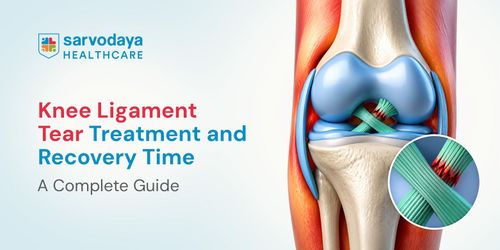
- Ligament Injuries: A sudden twist or change of direction can injure a ligament that helps keep the knee stable.
- Meniscus Tears: The meniscus is a pad of cartilage inside the knee. A tear may cause pain after twisting, along with swelling or trouble straightening the leg.
- Other Joint Conditions: Inflammatory arthritis and other health problems can also cause knee pain, particularly when pain comes with swelling or stiffness.
These conditions have similar symptoms. History and physical examination of knee pain may help diagnose the problem.
Exercise and Sitting Can Affect Knee Pain Differently
It is normal to experience some muscle soreness following a workout. If you feel pain specifically in your knee, you should seek further evaluation, particularly if you experience similar pain during each workout. Exercising through knee pain could delay healing.
Sitting for long periods can increase pain around the kneecap. You may experience pain when getting up from a long car ride or other sedentary tasks. A sedentary lifestyle can make you more vulnerable to severe pain from vigorous exercise.
Knee Pain Warning Signs That Need Attention
Pay attention to changes beyond the pain itself.
Book an orthopaedic consultation if your knee:
- Swells or repeatedly feels stiff
- Gives way when you walk
- Locks or cannot straighten fully
- Hurts during ordinary activities, such as walking or climbing stairs
- Keeps hurting or returns whenever you resume exercise
Seek urgent medical care at a reputable knee specialist hospital after an injury if you cannot put weight on the leg, the knee looks out of shape, or it is very swollen. A hot, red, painful knee with fever or a feeling of being unwell also needs urgent assessment.
An Orthopaedic Assessment Helps Identify the Cause
An orthopaedic doctor treating knee pain asks about the onset of symptoms and any recent falls or other changes in activity. The doctor assesses where it hurts and other symptoms and tests the range of motion and stability in the knees.
If a scan is required, the choice depends on what the examination suggests:
- X-Ray: Helps check the bones and look for a fracture or another bone problem.
- MRI: Shows soft tissues, including ligaments and the meniscus. It may be useful when a tear is suspected or symptoms do not improve as expected.
- Blood Tests: May be considered if the symptoms suggest inflammation, infection or another condition beyond an injury.
A knee specialist doctor uses the examination and any needed tests together to plan treatment. An MRI is not a routine first step for every person with knee pain.
Treatment Often Begins Without Surgery
Treatment varies with the underlying cause of the condition. Common treatments include rest and other measures to avoid painful activities, along with maintaining activity as is comfortable.
A knee pain specialist may recommend:
- A temporary change to your exercise routine
- Ice for recent pain or swelling, with a cloth between the pack and your skin
- Pain relief when suitable for you
- Physiotherapy to improve movement and build strength around the knee and hip
- A brace or support for certain injuries
Some knee injuries require surgery if the knee is unstable or movement is limited due to a tear. Talk to your orthopaedic specialist about whether you might need surgery. Knee pain in children doesn't always require surgery.
Everyday Habits That Help Protect Your Knees
You do not need to stop being active to protect your knees.
The aim is to build activity at a pace your body can manage:
- Increase running distance or workout intensity gradually.
- Include strength exercises for your thighs and hips.
- Allow time to recover between demanding workouts.
- Take movement breaks when you have been sitting for long periods.
- Choose activities you can do comfortably while recovering.
- Get advice before returning to sport after a knee injury.
If an exercise bothers your knee, adjust the exercise and visit a doctor. A consultation with a trusted orthopaedic specialist can help you identify other exercises that may be appropriate for your knee problem.
Conclusion
Knee pain in young adults can result from various factors, including changes in physical activity and injuries that require treatment. Observe any changes or limitations in knee function. Early diagnosis and testing can help you make informed decisions about knee pain treatment.
Sarvodaya Hospital, Faridabad, the top orthopaedic hospital in Delhi NCR, provides knee assessment, physiotherapy, sports injury care and surgical treatment when required. An orthopaedic doctor consultation can help identify the cause and guide your return to daily activities.
If your knee pain keeps returning or limits what you can do, speak with an orthopaedic specialist. Book an appointment now.