


Chest pain has many possible causes. Age is not a reason to dismiss the possibility of a heart attack. If you learn to recognise the warning signs, you can seek medical care without delay.
In this blog, we will explain why heart attacks can occur in young adults, which risks need attention and how to protect your heart health.
Heart Attack in Young Adults: At A Glance
| Quick answer: A heart attack occurs when blood flow to part of the heart muscle is blocked. Tobacco use, high blood pressure, diabetes, raised cholesterol and a family history of early heart disease can all increase the risk of heart disease in young adults. New chest pressure, especially with breathlessness or sweating, needs emergency care. |
Causes of Heart Attacks at a Young Age
The arteries that supply the heart can change long before a person feels unwell. Fatty deposits, called plaque, may build up inside them. If a deposit breaks open, a blood clot can form and block the flow of blood to the heart muscle.
The risk of a heart attack rises with age, but younger adults can have one too. Studies on whether heart attack is rising in all young adults have shown mixed results, and patterns differ between groups. It is known, however, that certain risk factors, including diabetes and obesity, can occur in younger adults. Efforts to reduce these risk factors are required, even in people who are currently healthy.
Major Risk Factors for Heart Attack in Young Adults
A heart attack at a young age usually cannot be explained by one habit or health condition.
Several heart attack risk factors may occur together:
- Smoking and Tobacco Use: Tobacco damages blood vessels and makes plaque buildup more likely. Even occasional smoking can cause harm.
- High Blood Pressure: It can damage arteries over time without causing noticeable symptoms.
- High Cholesterol: Excess LDL cholesterol can contribute to plaque inside the arteries.
- Diabetes: High blood sugar can damage blood vessels and raise heart disease risk.
- Family History: Having a close relative with early heart disease may increase your risk.
- Physical Inactivity: Regular movement helps manage blood pressure, blood sugar, cholesterol and weight.
- Excess Weight: It often occurs alongside other heart attack risk factors.
Some risks, such as family history, cannot be changed. Knowing about them helps a cardiac specialist recommend the right checks and preventive care.
Effects of Stress and Alcohol on Heart Health
Even during a stressful period, chest pain needs to be taken seriously. Chronic stress can interfere with sleep and raise blood pressure. Chronic stress can also limit physical activity, healthy eating, and efforts to quit smoking.
Heavy and binge drinking are associated with high blood pressure and other cardiovascular issues. Tell your healthcare provider about alcohol use and long-term stress during a healthcare visit. The healthcare provider can take this information and your personal and family medical histories into account.
Warning Signs of a Heart Attack
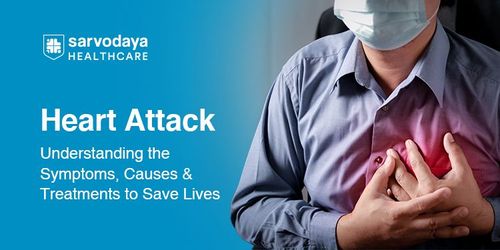
Pain or pressure in the chest is the most often reported symptom of a heart attack. It may feel like pressure, heaviness, squeezing or tightness rather than a sharp pain. It may last several minutes or go away and return.
Other heart attack warning signs include:
- Pain or discomfort in an arm, shoulder, back, neck, jaw or upper abdomen
- Difficulty breathing, irrespective of whether you feel chest discomfort.
- A cold sweat
- Nausea or vomiting
- Light-headedness or sudden dizziness
- Unusual weakness or fatigue
Some people may have a heart attack without noticeable chest pain. Women are more likely than men to have other heart attack symptoms, including nausea, shortness of breath, or back or jaw pain, but many women also have chest pain in the chest.
When Chest Pain Requires Emergency Care
Visit your nearby hospital or clinic if you experience any new, severe or unexplained chest discomfort, particularly when it occurs with breathlessness, sweating, nausea, faintness or pain spreading to the arm or jaw. Avoid driving to the hospital in such condition.
Once you reach the hospital, doctors may use an electrocardiogram (ECG) to check the heart’s electrical activity. Blood tests, including troponin, can help detect heart muscle damage. Quick assessment helps doctors decide what treatment is needed.
Heart Health Checks for Young Adults
You may not need all heart tests when you’re young. Your doctor will review your medical and family history and other lifestyle factors. Initial tests might include checking blood pressure, cholesterol, and blood sugar.
Additional tests are based on test results. Your doctor may recommend an ECG for chest pain or other symptoms. A cardiologist consultation can help you decide if any other tests are needed.
You can consider visiting a cardiologist for young adults if you experience frequent episodes of chest pain or shortness of breath during activity or fainting or a family history of premature heart disease. Possible heart attack symptoms need emergency care, not a routine appointment.
Everyday Habits That Support Heart Health
Heart attack prevention does not require a perfect routine. Start with changes you can maintain:
- Stop smoking and avoid other tobacco products.
- Build towards at least 150 minutes of moderate activity, such as brisk walking, each week.
- Eat more vegetables, fruit, whole grains and balanced meals.
- Keep a regular sleep routine where possible.
- Limit how much you drink and avoid having several drinks in one sitting.
- Get your blood pressure, cholesterol and blood sugar checked as often as your doctor recommends.
- Take prescribed medicines and attend follow-up appointments.
These habits support young adult heart health, but they do not replace medical care for symptoms. If activity causes chest discomfort or unusual breathlessness, speak with a cardiac specialist before pushing through it.
Conclusion
A young person can have heart disease even when they look and feel healthy. Understanding your risk factors, getting appropriate health checks and recognising warning signs can help you act in time.
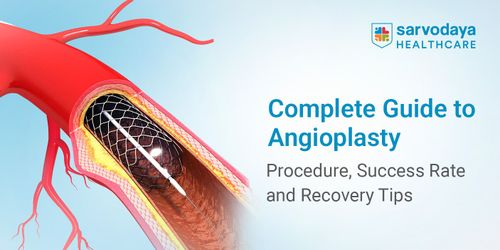
Sarvodaya Hospital, Faridabad, the best cardiology specialist hospital in Delhi NCR, provides cardiology consultations and emergency care for heart attacks from the top cardiologists in North India. Its cardiac care includes diagnostic evaluation and procedures such as coronary angioplasty when needed.
If you have concerns about your heart health or a family history of early heart disease, book an appointment now. If you may be having a heart attack, call 112 and seek emergency care immediately.