

A child develops a fever and starts breathing faster than usual. An older adult develops a cough, becomes unusually weak and feels short of breath. Both may have pneumonia, but the signs that alert a family to the problem can look very different.
Pneumonia is a lung infection that can make breathing difficult and, in severe cases, reduce the amount of oxygen reaching the body. It can affect people of any age, but young children, older adults and people with certain existing health conditions are more vulnerable to complications.
Recognising pneumonia early means looking beyond the cough. Changes in breathing, feeding, alertness or general health can be just as important as fever. Knowing what to watch for can help families seek medical attention before the illness becomes more serious.
World Pneumonia Day 2026: Why Does This Day Matter?
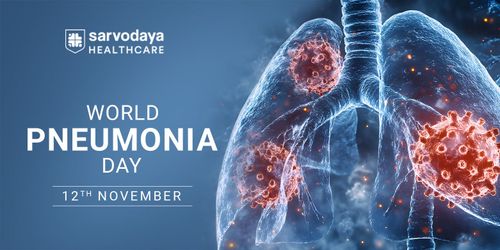
Observed every year on 12 November, World Pneumonia Day raises awareness about pneumonia prevention, early diagnosis and treatment. The first World Pneumonia Day was marked in 2009 to draw greater attention to a disease that continues to cause preventable deaths, particularly among young children.
According to 2023 Global Burden of Disease estimates cited by the Every Breath Counts Coalition, pneumonia claimed approximately 2.5 million lives worldwide in 2023, including around 610,000 children under five. These figures underline why awareness remains important even as prevention and treatment improve.
The official theme for World Pneumonia Day 2026 is “A New Era of Pneumonia Control.” It recognises progress in vaccines, diagnostic tools and treatments, while highlighting the need to ensure that people can actually benefit from these advances.
What does that mean for families?
- Prevention matters: Vaccination, adequate nutrition and reduced exposure to smoke and air pollution can help lower the risk of certain infections that cause pneumonia.
- Recognition matters: Fast or difficult breathing in a child, or new breathlessness in an adult, should not be dismissed.
- Timely care matters: Appropriate medical assessment helps determine whether treatment at home is sufficient or closer monitoring is necessary.
World Pneumonia Day is therefore more than an awareness date. It is a reminder that effective prevention and treatment depend on people recognising warning signs, seeking care promptly and having access to appropriate medical services.
What Happens in the Lungs During Pneumonia?
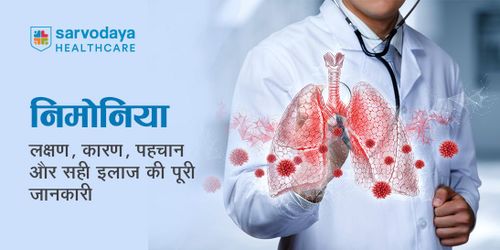
The lungs contain millions of tiny air sacs called alveoli. These allow oxygen to pass into the bloodstream when we breathe.
During pneumonia, infection causes inflammation in the lung tissue. Fluid and inflammatory material may collect in the air sacs, making it harder for oxygen to pass efficiently into the blood. This is why some patients develop breathlessness or low oxygen levels.
Pneumonia can be caused by bacteria, viruses and, less commonly, fungi. Symptoms may appear gradually or develop more suddenly, depending on the infection and the person's health.
This variation matters. A cough and fever do not automatically mean pneumonia, but the absence of a severe cough or high fever does not rule it out either. The patient's breathing and overall condition are important clues.
What Are the Early Signs of Pneumonia?
The early signs of pneumonia can resemble those of a common respiratory infection. Cough, fever and fatigue are possible symptoms, but changes in breathing often provide particularly important clues.
The signs can differ between children and adults, so each age group deserves separate attention.
Pneumonia Symptoms in Children: What Should Parents Watch For?
Young children cannot always explain that breathing feels difficult or that they are becoming unwell. Parents and caregivers need to notice changes in breathing, feeding and behaviour.
Common pneumonia symptoms in children include:
- Fast breathing: The child breathes noticeably faster than usual, even while resting.
- Chest indrawing: The skin around the lower ribs pulls inward when the child breathes in.
- Cough and fever: These may occur together, although the pattern can vary.
- Grunting or flaring nostrils: These may indicate that the child is working harder to breathe.
- Poor feeding or reduced fluid intake: Babies may breastfeed less effectively, while older children may refuse food or drinks.
- Unusual tiredness or irritability: The child may be less active, unusually sleepy or difficult to comfort.
A child who is coughing but breathing comfortably is in a different situation from one whose chest is pulling inward or who cannot feed because of breathlessness.
Seek urgent medical care if a child has significant difficulty breathing, marked chest indrawing, bluish or grey lips, or is unusually drowsy or difficult to wake. A baby or child who cannot breastfeed or drink because of breathing difficulty also needs urgent assessment.
Do not wait for a high fever to appear before seeking help. Serious illness in a young child may not always follow the pattern parents expect.
Pneumonia Symptoms in Adults: Which Changes Should Not Be Ignored?
The pneumonia symptoms in adults may include:
- Cough, sometimes producing mucus or phlegm.
- Fever, chills or sweating.
- Shortness of breath during everyday activities or at rest.
- Chest pain that worsens when taking a deep breath or coughing.
- Unusual fatigue, weakness or reduced appetite.
- A noticeable decline in general health.
Older adults may not develop the typical combination of high fever and cough. New confusion, unusual drowsiness or a sudden inability to manage normal daily activities may sometimes signal a serious infection.
Symptoms alone cannot confirm pneumonia. However, a cough accompanied by breathlessness, chest pain, persistent fever or a significant decline in health warrants medical evaluation.
When Does a Cough or Fever Need Urgent Medical Attention?
A cough does not automatically mean pneumonia, and not every fever requires hospital care. What matters is the severity of the symptoms, how they are changing and whether breathing is affected.
Arrange a prompt medical assessment if:
- Fever persists or symptoms worsen rather than improve.
- New breathlessness develops.
- Chest pain occurs during breathing or coughing.
- The patient becomes unusually weak or struggles with routine activities.
- A person with an existing heart or lung condition develops a new respiratory illness.
Seek emergency care if there is:
- Severe difficulty breathing.
- Bluish or grey lips or skin.
- New confusion or reduced responsiveness.
- Severe chest indrawing or grunting in a child.
- Inability to drink or breastfeed because of breathing difficulty.
- Rapid deterioration in the patient's condition.
These signs do not prove pneumonia is the cause. They indicate that urgent assessment is needed to establish the cause and determine what level of care is appropriate.
Children, older adults and people with weakened immunity or chronic illnesses may need earlier medical attention because their risk of complications can be higher.
What Causes Pneumonia, and Who Is More Vulnerable?
Understanding pneumonia causes and risk factors helps explain why the same infection can affect two people very differently.
What can cause pneumonia?
Pneumonia may result from:
- Bacterial infections: Pneumococcus is one example of a bacterium that can cause pneumonia.
- Viral infections: Influenza and other respiratory viruses can cause lung infections.
- Fungal infections: These are less common and may be more relevant in particular clinical circumstances.
- Aspiration: Food, liquid or other material entering the lungs can cause inflammation and sometimes infection.
The exact organism is not always identified. A doctor may still be able to make a clinical diagnosis and determine appropriate treatment using the symptoms, examination findings and relevant investigations.
Who is at greater risk?
People who may be more vulnerable to severe pneumonia include:
- Children younger than five, particularly infants.
- Adults aged 65 and above.
- People with chronic lung or heart disease, diabetes or other significant long-term conditions.
- People with weakened immune systems.
- People who smoke or are regularly exposed to tobacco smoke.
- Children affected by malnutrition or incomplete immunisation.
- People exposed to indoor air pollution, including smoke from solid fuels used for cooking.
These factors do not mean someone will inevitably develop pneumonia. They do mean respiratory symptoms may deserve earlier assessment, particularly if breathing or general health changes.
How Is Pneumonia Diagnosed in Children and Adults?
Pneumonia diagnosis in children and adults begins with a clinical assessment. There is no single symptom or test that is appropriate for every patient.
The doctor considers when the illness began, whether it is worsening, the patient's age and medical history, and the findings on examination.
Depending on the presentation, assessment may include:
- Breathing rate and physical examination: The doctor checks breathing effort, listens to the lungs and looks for signs of infection or respiratory distress.
- Oxygen saturation: A pulse oximeter may be used to assess the amount of oxygen in the blood.
- Chest X-ray: May help identify changes in the lungs consistent with pneumonia when imaging is indicated.
- Blood tests: May be recommended to assess the body's response to infection or investigate complications.
- Sputum or other microbiological tests: May be useful in selected cases, particularly when illness is severe or the result could influence treatment.
Not every patient needs every test. Further investigations depend on the patient's symptoms, examination findings and severity of illness.
The purpose of the assessment is to answer three questions: Is pneumonia likely? How seriously is the patient affected? And what treatment and level of care are appropriate?
What Does Pneumonia Treatment Involve?
Pneumonia treatment depends on the likely cause, the severity of illness, the patient's age and any other medical conditions.
Are antibiotics always needed?
No. Antibiotics treat bacterial pneumonia, but they do not treat viruses. The decision to prescribe antibiotics depends on the clinical assessment and the likely cause of infection.
Some viral infections may require specific antiviral medicines in selected patients. Others are treated with supportive care, depending on the infection and its severity.
Taking antibiotics without medical advice can cause side effects and contribute to antibiotic resistance. Do not use leftover antibiotics or assume that every cough with mucus requires them.
Can pneumonia be treated at home?
Some patients with mild pneumonia can be treated at home with prescribed medicines, rest, adequate fluid intake and follow-up as advised by their doctor.
Others may need hospital care, particularly if they have low oxygen levels, significant breathing difficulty, dehydration or serious underlying illnesses.
Hospital treatment may include oxygen, intravenous fluids, medicines and closer monitoring. The decision depends on the patient's condition, not simply on the name of the illness.
During recovery, cough and fatigue may take time to settle. Follow the prescribed treatment plan and seek reassessment if symptoms worsen or the patient does not improve as expected.
Pneumonia Prevention: Can Vaccination Reduce the Risk?
Pneumonia cannot be prevented in every case, but several measures can reduce the risk of certain infections that cause it.
1. Keep vaccinations up to date
Vaccines can protect against infections associated with pneumonia, including pneumococcal disease, Haemophilus influenzae type b (Hib), influenza, measles and pertussis, depending on the vaccine and the person's eligibility.
There is no single vaccine that prevents every type of pneumonia. The pneumococcal vaccine protects against specific pneumococcal infections, while other vaccines protect against different infections that can affect the lungs.
It's very important for children to follow their routine vaccination schedules. And
Children should receive vaccinations according to the recommended immunisation schedule. Adults, particularly older people and those with certain medical conditions, can discuss pneumococcal, influenza and other relevant vaccines with their doctor. Recommendations depend on age, health status, previous vaccination and current guidance.
2. Reduce exposure to respiratory infections
The following measures can limit the spread of respiratory infections:
- Wash hands regularly.
- Cover the mouth and nose when coughing or sneezing.
- Improve indoor ventilation where possible.
- Avoid close contact with people who are acutely unwell.
- Avoid smoking and reduce exposure to second-hand smoke.
3. Support nutrition and overall health
Adequate nutrition is important for immune function. For infants, exclusive breastfeeding during the first six months, where possible, provides nutritional and immune benefits.
Reducing indoor air pollution, following recommended vaccination schedules and seeking timely care for concerning symptoms can also help protect vulnerable family members.
Prevention works best when vaccination, healthier surroundings and early recognition of illness are combined.
Why Do Both Paediatrics and Pulmonology Matter in Pneumonia Care?
Pneumonia can affect children and adults differently, so the patient's age and clinical condition help determine which specialist should be involved.
Paediatricians assess children using age-specific signs such as breathing rate and effort, chest indrawing, feeding, hydration and alertness. They determine whether the child needs treatment at home, additional investigations, closer monitoring or hospital care.
Pulmonologists specialise in diseases affecting the lungs and respiratory system. They may be involved in assessing pneumonia in adults, evaluating complicated or recurrent lung infections, and investigating persistent breathlessness or other respiratory symptoms.
More serious cases may also require emergency medicine, critical care and other specialists. Not every patient needs all these teams; the aim is to provide care appropriate to the severity and complexity of the illness.
Pneumonia Care at Sarvodaya Hospital
At Sarvodaya Hospital, the Pulmonology & Sleep Medicine Department evaluates and manages pneumonia, lung infections and other respiratory conditions. Depending on the patient's symptoms, the team may recommend clinical assessment, oxygen measurement, chest imaging or other investigations to guide treatment.
For children, the Paediatrics team provides age-appropriate evaluation and care for respiratory illnesses, taking into account breathing effort, feeding, hydration and overall condition.
Families looking for a paediatrician in Faridabad can seek child-focused evaluation at Sarvodaya Hospital, Sector 8, Faridabad. Those looking for a pulmonologist in Greater Noida or a pulmonologist in Mathura can check the Pulmonology & Sleep Medicine services and appointment availability at Sarvodaya Hospital, Greater Noida West, and Sarvodaya Hospital, Mathura.
The appropriate department and level of care depend on the patient's symptoms and clinical needs. The first step is to recognise when a respiratory illness needs medical attention and seek assessment without unnecessary delay.