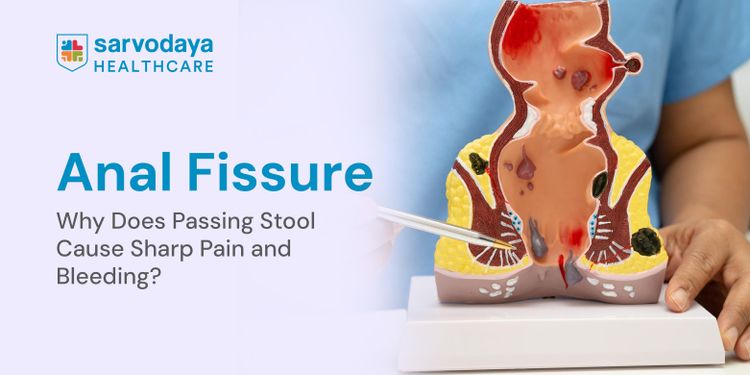


A bowel movement should not leave you with a sharp, tearing pain that continues long after you have finished passing stool. Yet this is exactly what people with an anal fissure often experience. Even a routine visit to the toilet can become uncomfortable, sometimes making people anxious about their next bowel movement.
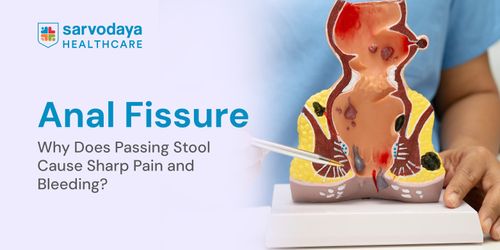
An anal fissure is a small tear in the delicate lining of the anal canal. It commonly develops when hard stools stretch or injure the tissue, although repeated diarrhoea can also cause it. The tear can lead to sharp pain and small amounts of bright-red bleeding during bowel movements.
But why can such a small injury cause so much discomfort? More importantly, why does the pain sometimes continue for hours afterwards?
The answer lies in how the muscles around the anal canal respond to the injury and how that response can interfere with healing.
What Is an Anal Fissure?
An anal fissure is a small cut or tear in the lining of the anal canal, the passage through which stool leaves the body.
The lining in this area is delicate and sensitive. When a hard or bulky stool stretches it beyond its capacity, the tissue can develop a tear. The injury may be small, but it can expose sensitive tissue and cause considerable pain during bowel movements.
Anal fissures are generally classified into two types:
- Acute anal fissure: A recent tear that may heal with appropriate conservative treatment, particularly when the factors causing repeated injury are addressed.
- Chronic anal fissure: A persistent or repeatedly recurring tear that may develop thickened edges, scar tissue and a small skin tag near the anal opening. These changes can make healing more difficult.
The difference matters because a recent fissure may respond to simple measures, while a chronic fissure may require prescription medicines or a procedure.
Why Does Passing Stool Cause Sharp Pain and Bleeding?
The immediate reason is the tear itself. As stool passes through the anal canal, it stretches the injured lining and can reopen the wound.
This produces the characteristic sharp or cutting pain during defecation. If the tear exposes small blood vessels, you may also notice a little bright-red blood on the toilet paper or on the surface of the stool.
But the pain does not always end when you leave the toilet. That happens because of the response of a muscle called the internal anal sphincter.
The Role of Internal Anal Sphincter Spasm
The anal canal contains muscles that help control the passage of stool. One of these is the internal anal sphincter, a ring of involuntary muscle that normally remains contracted to maintain continence.
When an anal fissure develops, the pain can trigger a reflex tightening or spasm of this muscle.
This creates two problems:
- Increased muscle pressure: The sphincter becomes tighter, increasing pressure around the injured area and contributing to continued pain.
- Reduced blood supply: Higher muscle pressure can reduce blood flow to the fissure, making it harder for the injured tissue to heal.
The next time you pass stool, the wound may open again, triggering more pain and another episode of muscle spasm.
This creates a cycle:
Tissue tear → Pain → Muscle spasm → Reduced blood flow → Delayed healing → Repeated injury
This explains why an anal fissure can remain painful even when the original tear appears small.
What Are the Common Symptoms of an Anal Fissure?
The symptoms often follow a recognisable pattern, particularly the combination of sharp pain during bowel movements and burning discomfort afterwards.
Look out for:
- Sharp or tearing pain while passing stool: Often described as a cutting sensation around the anal opening.
- Burning pain after bowel movements: Discomfort may continue for several minutes or even hours.
- Bright-red bleeding: Small streaks of blood may appear on toilet paper or along the surface of the stool.
- Anal muscle spasms: Tightening around the anal opening can increase pain and discomfort.
- Itching or irritation: The injured tissue and surrounding skin may become irritated.
- A small skin tag: A long-standing fissure may develop a small lump near the anal opening, known as a sentinel skin tag.
One particularly important sign is the fear of passing stool because of anticipated pain. Some people begin delaying bowel movements, which can make constipation worse and create further difficulty with healing.
Anal Fissure vs Piles: How Are They Different?
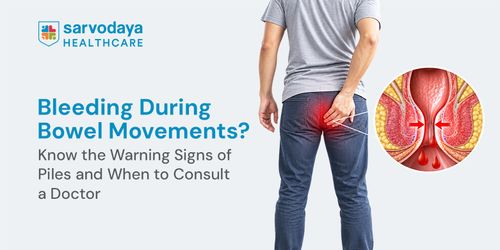
Anal fissures and piles (haemorrhoids) can both cause bright-red bleeding during bowel movements. This is why people sometimes mistake one for the other.
However, their underlying problems are different.
| Feature | Anal Fissure | Piles (Haemorrhoids) |
| What happens? | A tear develops in the anal lining. | Blood vessels and supporting tissues become swollen. |
| Pain during stool | Usually sharp or tearing. | Internal piles are often painless; external piles may cause pain. |
| Pain after stool | Burning pain may continue for hours. | Discomfort depends on the type and severity. |
| Bleeding | Usually small amounts of bright-red blood. | Bright-red bleeding may occur, particularly with internal piles. |
| Other signs | Spasm, irritation or a small skin tag. | Swelling, itching or protruding tissue. |
The key distinction is the pain pattern. Sharp pain during and after passing stool is particularly characteristic of an anal fissure, whereas internal piles often cause bleeding without significant pain.
However, these patterns cannot establish a diagnosis on their own. A medical examination is necessary to identify the actual cause.
What Causes an Anal Fissure?
Most anal fissures develop because of repeated injury to the delicate lining of the anal canal. Certain bowel habits and conditions make this more likely.
1. Constipation and Hard Stools
Passing hard, dry or bulky stools is one of the most common causes. When the stool stretches the anal canal, it can tear the lining, particularly when a person has to strain.
2. Repeated Straining During Bowel Movements
Putting excessive pressure on the anal area can increase the risk of tissue injury. This is particularly relevant when constipation makes bowel movements difficult.
3. Chronic Diarrhoea
Anal fissures are not exclusively a problem associated with constipation. Frequent loose stools can also irritate the anal canal and cause repeated injury to its lining.
4. Low-Fibre Diet
A diet lacking sufficient fibre can contribute to constipation and hard stools. This makes bowel movements more difficult and increases the likelihood of straining.
5. Underlying Medical Conditions
Certain inflammatory bowel conditions, particularly Crohn's disease, can cause anal fissures. Previous trauma or procedures involving the anal region may also contribute in some cases.
Fissures that appear in unusual locations, develop at multiple sites or fail to heal despite appropriate treatment may require further evaluation for an underlying condition.
Why Can an Anal Fissure Become Chronic?
A recent fissure often has a better chance of healing because the tissue injury is relatively superficial and has not developed significant scarring.
However, repeated injury can prevent the wound from closing properly.
The internal anal sphincter may remain excessively tight, reducing blood flow to the injured area. At the same time, hard stools or repeated diarrhoea can continue irritating the tear.
Over time, the edges of the fissure may become thickened, and a small skin tag called a sentinel pile may develop near the opening of the anus.
This is one reason a chronic fissure can be more difficult to treat than a recent one. The problem is no longer just the original tear; persistent muscle spasm and changes in the surrounding tissue may also need attention.
How Is an Anal Fissure Diagnosed?
Diagnosis usually begins with understanding the symptoms and examining the affected area.
Your doctor may ask:
- How long have you been experiencing pain?
- Does it begin during bowel movements or continue afterwards?
- Have you noticed blood on the stool or toilet paper?
- Do you frequently experience constipation or diarrhoea?
- Have you experienced similar symptoms before?
Depending on the findings, the evaluation may include:
- Physical Examination: The doctor visually examines the area around the anus to identify a visible tear, swelling, skin tags or other abnormalities.
- Digital Rectal Examination (DRE): A gloved, lubricated finger may be used to assess the anal canal, tenderness and muscle tone. However, when an acute fissure causes significant pain or muscle spasm, this examination may be deferred.
- Anoscopy: A short, lighted instrument may be used to examine the anal canal more closely when the patient can tolerate the examination and further assessment is needed.
Most typical anal fissures can be diagnosed clinically. Further investigations may be recommended when the symptoms are unusual, the fissure does not heal or the doctor suspects another underlying condition.
How Is an Anal Fissure Treated?
Treatment aims to achieve two things: allow the tear to heal and reduce the muscle tension that may be interfering with healing.
Most recent anal fissures do not require surgery. Treatment usually begins with conservative measures and medicines, depending on the severity of symptoms.
1. Dietary Changes and Stool Management
Keeping stools soft is one of the most important parts of treatment.
Your doctor may recommend:
- Increasing dietary fibre through fruits, vegetables, whole grains and other fibre-rich foods.
- Drinking adequate water throughout the day.
- Using stool softeners or laxatives when medically advised.
- Avoiding excessive straining during bowel movements.
- Addressing persistent diarrhoea when it is contributing to irritation.
The aim is to allow stool to pass without repeatedly stretching or injuring the fissure.
2. Warm Sitz Baths
A sitz bath involves sitting in comfortably warm, shallow water for around 10–15 minutes.
It can help soothe discomfort and relax the anal muscles, particularly after bowel movements. It is commonly recommended as part of conservative treatment.
3. Prescription Ointments and Medicines
When muscle spasm interferes with healing, doctors may prescribe topical medicines that help relax the internal anal sphincter.
These may include:
- Diltiazem or Nifedipine: Topical calcium channel blockers that relax the sphincter and help improve blood flow to the injured area.
- Nitroglycerin ointment: Helps reduce sphincter pressure and supports healing, although headaches can occur as a side effect.
The choice of medicine depends on the patient's condition, medical history and response to treatment. These ointments should be used under medical guidance.
4. Botulinum Toxin (Botox) Injections
For selected chronic fissures that do not respond adequately to topical treatment, doctors may recommend botulinum toxin injections.
The medicine temporarily relaxes the internal anal sphincter, reducing muscle pressure and allowing blood to reach the injured area more effectively.
This can help the fissure heal without immediately proceeding to surgery. However, the effect is temporary, and recurrence is possible.
5. Lateral Internal Sphincterotomy (LIS)
When a fissure remains persistent despite appropriate medical treatment, surgery may be considered.
Lateral Internal Sphincterotomy involves making a controlled cut in a small part of the internal anal sphincter to reduce excessive muscle tension.
This allows the injured tissue to receive better blood supply and improves the chances of healing.
The procedure is highly effective for appropriately selected patients with chronic fissures. However, because the sphincter also plays an important role in controlling bowel movements, surgery carries a risk of changes in the ability to control gas or stool. The surgeon evaluates individual risk factors before recommending it.
Can Anal Fissures Be Prevented From Coming Back?
Even after a fissure heals, it can recur if the same factors that caused the original injury continue.
The most important preventive measures are aimed at maintaining healthy bowel movements:
- Include sufficient fibre in your daily diet.
- Drink adequate fluids to avoid hard stools.
- Avoid straining or sitting on the toilet for prolonged periods.
- Do not ignore the natural urge to pass stool.
- Manage constipation and persistent diarrhoea.
- Maintain regular physical activity.
- Follow your doctor's advice and complete the prescribed treatment.
Remember, relief from pain does not always mean the underlying problem has completely healed. Maintaining healthy bowel habits remains important even after symptoms improve.
Anal Fissure Treatment at Sarvodaya Hospital
At Sarvodaya Hospital, patients experiencing sharp pain, bleeding or persistent discomfort during bowel movements can seek evaluation through the General Surgery team.
The approach begins with identifying the cause of symptoms, assessing the severity of the fissure and determining whether conservative or procedural treatment is appropriate.
Treatment options include dietary and lifestyle modifications, stool softeners, prescription topical ointments and warm sitz baths. For chronic or non-healing fissures, specialists may consider botulinum toxin injections or Lateral Internal Sphincterotomy, depending on the patient's condition.
The aim is to relieve pain, support healing and reduce the likelihood of recurrence through appropriate treatment and follow-up.