

Epilepsy is a long-term brain condition that causes repeated seizures. A seizure is a sudden episode caused by abnormal electrical activity in the brain. It can temporarily affect a person's movements, awareness, behaviour, sensations or consciousness.
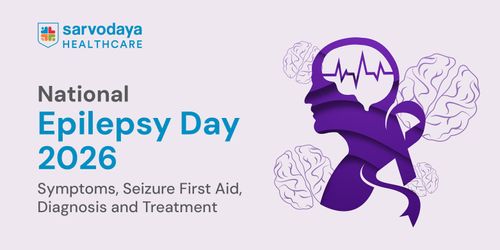
About 50 million people around the world are suffering from epilepsy. National Epilepsy Day, to be observed on 17 November 2026, is a yearly initiative to raise awareness about epilepsy, promote timely diagnosis and treatment, and address the stigma associated with seizures.
Epilepsy is a neurological condition that affects people of all ages, including children. With appropriate medical care, many people with epilepsy can achieve good seizure control and lead active, fulfilling lives.
In this blog, let us understand epilepsy symptoms, causes, early first aid for seizures, and the importance of Epilepsy Day.
What Is National Epilepsy Day?
National Epilepsy Day is observed in India on 17 November every year to spread epilepsy awareness and encourage people to seek appropriate medical care. The observance highlights the importance of recognising seizures, improving access to treatment and challenging misconceptions that often prevent people from seeking help.
Why is National Epilepsy Day Observed?
Even in this age of modernisation where people are well educated and woke, Epilepsy remains surrounded by myths and social stigma in many communities. People experiencing seizures may face discrimination at school, work or in their personal lives because of a lack of awareness about the condition.
National Epilepsy Day is significant in promoting accurate information, encouraging early diagnosis and supporting people living with epilepsy. It also reminds families, caregivers and communities that epilepsy is a medical condition that can often be managed effectively.
What Is Epilepsy?
Epilepsy is a neurological disorder characterised by a tendency to experience recurrent seizures. Seizures occur when there is a sudden disturbance in the brain's electrical activity, temporarily affecting movement, awareness, sensations, emotions or behaviour.
According to the World Health Organisation (WHO), epilepsy affects millions of people worldwide, and up to 70% of people living with epilepsy could become seizure-free with appropriate treatment.
It is important to understand that a seizure and epilepsy are not the same thing. A seizure may occur because of a temporary medical problem, such as low blood sugar, a severe infection or certain metabolic disturbances. A single seizure does not automatically mean that a person has epilepsy.
Types of Epilepsy
Epilepsy is classified based on where abnormal electrical activity begins in the brain and how it spreads. The main types of epilepsy are:
- Generalised Epilepsy: In generalised epilepsy, seizures begin in networks on both sides of the brain. They may cause loss of consciousness, muscle stiffening, jerking movements, or brief episodes of staring, depending on the seizure type.
- Focal Epilepsy: In focal epilepsy, seizures begin in a specific area or network on one side of the brain. Symptoms depend on the affected area and may include unusual sensations, repetitive movements, changes in awareness, or involuntary jerking. These seizures may remain localised or spread to involve both sides of the brain.
- Unknown-Onset Epilepsy: When the beginning of a seizure is not witnessed, or there is insufficient information to determine where it started, its onset may be classified as unknown. Further medical evaluation may help clarify the seizure type.
What Are the Common Symptoms of Epilepsy?
Epilepsy symptoms vary from one person to another, depending on the type of seizure and the area of the brain involved. While some seizures cause noticeable body movements, others may involve subtle changes in awareness or behaviour.
Common epilepsy symptoms include:
- Sudden jerking or stiffening of the arms and legs
- Brief episodes of staring or unresponsiveness
- Temporary loss of awareness or consciousness
- Unusual sensations, such as tingling, strange smells or a rising feeling in the stomach
- Repetitive movements, such as lip-smacking or picking at clothing
- Sudden confusion or difficulty responding to others
- Temporary speech difficulties or unusual behaviour
- Fast heartbeat or rapid breathing
- Fatigue, headache or confusion after a seizure
- Sudden falls or loss of muscle control
Recognising these seizure warning signs is important, especially when symptoms recur. Evaluation by an experienced brain specialist can help determine whether the episodes are seizures and whether further investigation is necessary.
What Are the Causes and Risk Factors of Epilepsy?
Our brain functions by sending electrical signals between nerve cells that help in controlling our thoughts, feelings, movements and responses.
In epilepsy, which is caused by abnormal brain activity, these signals don't always send in an organised way and instead are fired all at once or faster than normal. These sudden outbursts of electrical activity can cause symptoms of epilepsy.
While actual causes of epilepsy are not always known, possible causes and risk factors could include:
- Genetic factors
- Family History
- Head injuries
- Brain Stroke
- Brain infections
- Structural brain abnormalities
- Complications around birth
- Brain tumours
What Could Trigger Epileptic Seizures?
Epilepsy triggers are factors that may increase the likelihood of a seizure in people who have epilepsy. These may vary from person to person. Common triggers could include:
- Lack of sleep
- Missed medication
- Stress
- Alcohol
- Illness and fever
- Dehydration and skipped meals
Possible Complications of Epilepsy
When seizures are recurrent or poorly controlled, epilepsy may affect a person's physical safety, mental well-being and daily activities. Potential complications include:
- Physical injuries: Falls, burns, cuts and other injuries during seizures.
- Mental health concerns: Anxiety, depression and emotional distress.
- Sleep disturbances: Difficulty maintaining healthy sleep patterns.
- Memory and concentration difficulties: Problems with attention, learning or information processing in some individuals.
- Activity-related risks: Seizures may pose safety concerns while driving, swimming, climbing heights or operating heavy machinery.
What Should You Do If Someone is Having a Seizure?
Knowing seizure first aid can help protect someone from injury during a seizure. Most seizures stop on their own within a few minutes, but the person should be kept safe throughout the episode.
Follow these steps:
- Stay calm and remain with the person. Observe what happens and note the time the seizure begins.
- Protect them from injury. Move nearby furniture, sharp objects and other hazards away.
- Cushion their head. Place something soft and flat beneath it if they are on the ground.
- Loosen tight clothing around the neck. Remove glasses if they are wearing them.
- Do not restrain their movements. Allow the seizure to run its course without holding the person down.
- Turn them gently onto their side when possible. Once it is safe to do so, particularly when the jerking movements have eased, position them on their side to help keep the airway clear.
- Stay until they recover. They may feel confused, tired or disoriented after the seizure. Offer reassurance and allow them time to recover.
Do’s and Don’ts During an Epileptic Seizure
| Do’s: What You Should Do | Don’ts: What You Should Avoid |
| Stay calm and remain with the person until they recover. | Do not panic or leave the person alone. |
| Note the time when the seizure starts. | Do not ignore how long the seizure lasts. |
| Move sharp, hot or hard objects away to prevent injuries. | Do not restrain their movements or hold them down. |
| Cushion their head with something soft. | Do not put fingers, spoons, cloth or any object in their mouth. |
| Loosen tight clothing around their neck. | Do not give food, water or oral medicines during the seizure. |
| Gently turn them onto their side when possible, especially after convulsions stop. | Do not force them into a particular position or move them unnecessarily unless they are in danger. |
| Reassure them calmly after the seizure and allow time for recovery. | Do not crowd them or shout at them if they seem confused. |
| Check their breathing once the seizure ends. | Do not attempt mouth-to-mouth resuscitation during active convulsions. |
| Call emergency services if the seizure lasts 5 minutes or longer, repeats without recovery, or causes serious injury. | Do not delay emergency help if the person has breathing difficulties after the seizure or it is their first known seizure. |
When Does a Seizure Require Emergency Medical Care?
Call emergency medical services if:
- The seizure lasts five minutes or longer.
- Another seizure begins before the person has recovered.
- The person has difficulty breathing or does not regain awareness as expected.
- The seizure occurs in water.
- The person sustains a significant injury.
- The person is pregnant or has another serious medical condition.
- It is their first known seizure.
How Is Epilepsy Diagnosed?
Epilepsy diagnosis involves a detailed medical assessment to determine whether the episodes are seizures, identify their type and investigate possible causes.
A single seizure does not always indicate epilepsy. Diagnosis depends on the clinical history, examination findings and investigations. Epilepsy may be diagnosed after two unprovoked seizures occurring more than 24 hours apart, or after one unprovoked seizure when clinical evaluation indicates a sufficiently high risk of recurrence.
A neurologist may recommend the following:
- Medical history and neurological examination
- Electroencephalogram (EEG)
- Brain imaging
- Blood tests and other investigations
What Are the Treatment Options for Epilepsy?
With appropriate care, many people with epilepsy can study, work, exercise and participate in everyday activities. Epilepsy treatment aims to control seizures, minimise side effects and support a person's quality of life.
The treatment plan depends on the seizure type, underlying cause, age, medical history and response to medication. Consult with an experienced neurologist for timely treatment. Never stop taking prescribed medications without consulting the doctor.
Common treatment options may include:
- Anti-seizure medications
- Epilepsy surgery
- Neurostimulation therapies
- Dietary therapy
- Lifestyle and ongoing care
Epilepsy in Children: Symptoms, Learning and Daily Activities
Epilepsy in children can present differently from epilepsy in adults. Some children experience noticeable convulsions, while others may have brief staring episodes, sudden jerks or unexplained lapses in awareness.
Possible signs of epilepsy in children could include:
- Repeated episodes of staring or unresponsiveness.
- Sudden body stiffening or jerking.
- Unexplained falls.
- Brief interruptions in speech or activity.
- Confusion or unusual tiredness following an episode.
- Recurrent episodes of unusual sensations or behaviour.
Parents, teachers and even classmates need to be aware of the condition and possible do’s and don’ts for timely care. Parents and teachers can help by recognising symptoms, following the child's medical care plan and creating a safe, supportive environment. Children should not be unnecessarily excluded from school, play or social activities.
Consult with an experienced paediatric neurologist and understand the causes, possible triggers and management of seizures. Epilepsy is not the end of life. Children with epilepsy can live a normal life with just some extra attention and care.
They must not be excluded from activities and should be counselled properly in case they need more help to cope with the condition better.
Epilepsy Myths and Facts
Misconceptions about epilepsy can lead to stigma, discrimination and delays in seeking medical care. Understanding the facts can help dispel common myths, encourage early diagnosis and treatment, and create a more supportive and inclusive environment for people living with epilepsy.
| Myth | Fact |
| Epilepsy is contagious. | Epilepsy cannot spread from person to person. |
| Every seizure involves shaking and falling. | Some seizures cause only brief staring, unusual sensations or changes in awareness. |
| A person can swallow their tongue during a seizure. | This is a myth. Never put anything in their mouth. |
| A single seizure always means epilepsy. | A seizure can have several causes and requires appropriate assessment. |
| People with epilepsy cannot lead normal lives. | With suitable treatment and support, many people live active and fulfilling lives. |
| Epilepsy cannot be treated. | Medication and other treatment options can provide effective seizure control for many people. |
Final Takeaway for Epilepsy Care
Timely neurological assessment is an important step towards identifying the cause of seizures and developing an appropriate treatment plan. Sarvodaya Hospital provides access to medical consultations and neurological evaluation for patients experiencing symptoms that may require specialist attention.
The Centre for Neurosciences at Sarvodaya Hospital dedicated departments for neurology, neurosurgery and a dedicated department for paediatric brain health, where highly experienced neurologists and neurosurgeons help you manage epilepsy seizures and all other kinds of brain-related diseases, disorders and conditions.
The advanced Neuro Lab and Neuro Modulation Centre help diagnose and manage brain conditions in both children and adults with high-end tests and scans, including EEG, Evoked Potential, MRI, rTMS and more.
When searching for the best neurology hospital near you, consider factors such as access to experienced specialists, diagnostic facilities, treatment options, emergency support and continuity of care. The most appropriate hospital depends on the patient's individual needs and the services available at that location.
This National Epilepsy Day 2026, take a step towards better brain health by recognising seizure symptoms, learning first aid and encouraging people to seek medical care without fear or stigma.
If you or a family member experiences recurrent seizures, unexplained episodes of altered awareness or other concerning neurological symptoms, consult a neurologist for an appropriate assessment.