



Choosing a cancer hospital is one of the most important decisions a patient and family may have to make. A cancer diagnosis already brings fear, confusion, and too many questions. In that moment, people naturally start searching for the best doctor, the best treatment, the best technology, and the best place to begin care.
But what does “best” actually mean in cancer treatment?
It does not always mean the biggest hospital or the most famous name. The right cancer hospital is the one that understands your type of cancer, offers the treatment you need, has experienced cancer specialists, supports you through diagnosis and recovery, and explains every step clearly.
In India, cancer care has advanced significantly, with many hospitals offering surgery, chemotherapy, radiation therapy, immunotherapy, targeted therapy, nuclear medicine, and supportive care. However, not every hospital may offer everything under one roof. This is why knowing how to choose the best cancer hospital in India becomes important before starting treatment.
In this blog, you will understand the factors to consider when selecting a cancer hospital, what questions to ask your doctor, and how to use a practical cancer treatment hospital selection guide to make a more informed decision.
Why Choosing the Right Cancer Hospital Matters
Cancer treatment is rarely based on one test or one doctor’s opinion alone. It usually requires proper diagnosis, staging, treatment planning, follow-up, and supportive care. In many cases, more than one specialist may be involved in the treatment.
For example, one patient may need surgery first. Another may need chemotherapy before surgery. Someone else may need radiation therapy, immunotherapy, targeted therapy, or a combination of treatments.
This is why the hospital you choose should be able to guide you through the complete journey, not just one part of it.
A good cancer hospital helps with:
- Accurate diagnosis and staging
- Specialist consultation for your cancer type
- Treatment planning by a multidisciplinary team
- Access to surgery, chemotherapy, radiation, and advanced therapies
- Management of side effects during treatment
- Nutrition, rehabilitation, counselling, and follow-up care
Cancer treatment is not only about removing or controlling cancer. It is also about helping the patient maintain strength, comfort, dignity, and quality of life during the journey.
Start by Understanding Your Type of Cancer
Before comparing hospitals, it is important to understand your own diagnosis. Cancer is not one disease. Breast cancer, lung cancer, oral cancer, blood cancer, prostate cancer, cervical cancer, brain tumour, and gastrointestinal cancers can all behave differently and need different treatment approaches.
The hospital you choose should have experience in treating your specific type of cancer.
You can ask your doctor:
What type of cancer do I have?
What stage is it?
Has it spread to nearby organs or lymph nodes?
What are my treatment options?
Will I need one treatment or a combination of treatments?
Does this hospital regularly treat this type of cancer?
This step is especially important if the cancer is rare, advanced, recurrent, or located in a sensitive area such as the brain, pancreas, oesophagus, head and neck region, or spine.
Factors to Consider When Selecting a Cancer Hospital
When families search for the best oncology hospitals near me, the first instinct is often to look at distance. Location matters, especially because cancer treatment may require multiple visits. However, distance should not be the only deciding factor.
Here are the key factors to consider when selecting a cancer hospital:
- Experience of cancer specialists
- Availability of diagnostic tests
- Cancer staging and imaging facilities
- Medical, surgical, and radiation oncology under one roof
- Multidisciplinary tumour board discussion
- Advanced treatment options
- Technology for accurate and safer treatment
- Emergency and ICU support, if required
- Supportive care during and after treatment
- Clear communication with patients and families
A hospital that offers coordinated care can help reduce delays between diagnosis, treatment planning, and treatment initiation. This matters because cancer care often works best when the right steps happen at the right time.
Check Whether the Hospital Has a Multidisciplinary Cancer Team
Cancer treatment often needs more than one specialist. A multidisciplinary team means that doctors from different cancer departments discuss the case together and decide the most suitable treatment plan.
This may include:
- Medical Oncologist
- Surgical Oncologist
- Radiation Oncologist
- Haemato-oncologist
- Nuclear Medicine Specialist
- Radiologist
- Pathologist
- Pain and Palliative Care Specialist
- Nutritionist
- Rehabilitation Specialist
This approach is important because each specialist looks at the disease from a different angle. Together, they can decide whether surgery, chemotherapy, radiation therapy, immunotherapy, targeted therapy, nuclear therapy, or a combination of treatments is best suited for the patient.
For patients and families, this also means fewer scattered opinions and a more organised treatment plan.
Look at the Treatment Options Available
Cancer treatment has changed a lot over the years. Today, treatment is not limited to surgery, chemotherapy, and radiation alone. Many patients may benefit from newer and more personalised approaches depending on the type and stage of cancer.
A cancer hospital may offer:
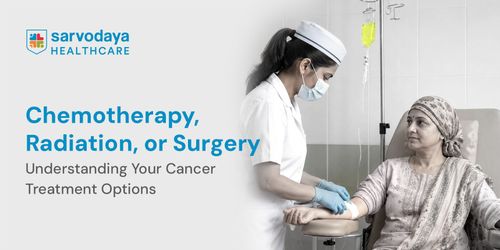
- Chemotherapy
- Radiation therapy
- Cancer surgery
- Immunotherapy
- Targeted therapy
- Hormonal therapy
- Bone marrow transplant
- Nuclear medicine and molecular theranostics
- Palliative care
- Pain management
- Rehabilitation and nutrition support
When comparing the top cancer hospitals in India for treatment, do not only check whether the hospital offers cancer treatment. Check whether it offers the kind of treatment your cancer may require.
For example, a patient with blood cancer may need haemato-oncology and bone marrow transplant support. A patient with prostate cancer may need robotic surgery, radiation therapy, or nuclear medicine-based treatment. A patient with advanced head and neck cancer may need surgery, reconstruction, radiation, chemotherapy, and swallowing rehabilitation.
The more complete the cancer care system is, the easier it becomes for patients to receive coordinated care.
Ask About Diagnostic and Staging Facilities
Cancer treatment begins with diagnosis, but diagnosis alone is not enough. Doctors also need to understand the stage of cancer, whether it has spread, and how active the disease is.
Common tests may include:
- Biopsy
- Blood tests
- Histopathology
- Immunohistochemistry
- CT scan
- MRI
- PET-CT scan
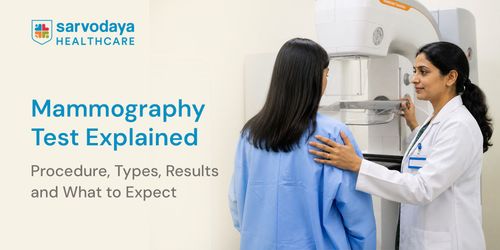
- Mammography
- Ultrasound
- Bone scan, if required
- Molecular or genetic testing in selected cases
Accurate diagnosis and staging help doctors plan the right treatment. Without this step, treatment may be incomplete or unsuitable.
When choosing a hospital, ask whether diagnostic tests, imaging, biopsy support, pathology, and treatment planning are available in a coordinated manner.
Check Experience in Complex Cancer Cases
Some cancers need extra planning because of their stage, location, spread, recurrence, previous treatment history, or the patient’s overall health.
In such cases, it helps to choose a hospital with experience in advanced surgery, radiation planning, chemotherapy, immunotherapy, ICU support, reconstructive care, and coordination between different oncology departments.
Experience matters because complex cancer care needs more than treatment. It needs careful planning, timely decisions, and the right specialists working together.
Understand the Role of Technology in Cancer Care
Technology cannot replace experience, but it can support more accurate diagnosis and treatment planning.
In cancer care, advanced technology may help with:
- Better imaging and staging
- More precise radiation delivery
- Minimally invasive surgery in selected cases
- Safer treatment planning
- Monitoring response to treatment
- Detecting recurrence during follow-up
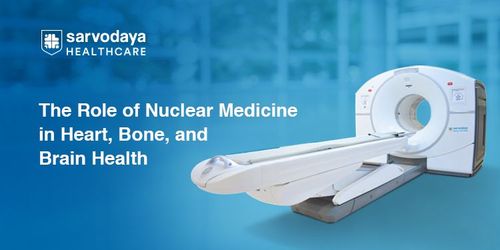
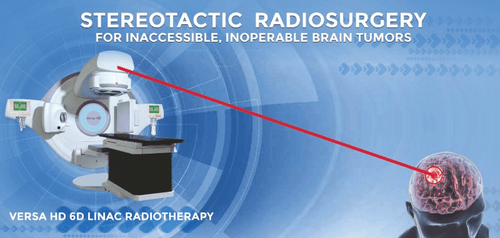
For example, advanced radiation machines can help target cancer more accurately while reducing exposure to nearby healthy tissues. PET-CT can help doctors understand disease activity and spread. Molecular testing may help identify whether targeted therapy or immunotherapy can be useful in selected cancers.
When using a cancer treatment hospital selection guide, technology should be one important factor, but not the only one. The right team behind the technology matters equally.
Do Not Ignore Communication and Trust
Cancer treatment can continue for weeks, months, or even longer. During this time, patients and families need clear communication from doctors.
A good cancer team should explain: What cancer do you have, what stage is it, why a treatment is being recommended, what side effects may occur, how long treatment may take, what precautions you should follow, when to report symptoms urgently, and what follow-up will be needed after treatment.
If you feel rushed, confused, or unable to ask questions, it becomes harder to move through treatment with confidence. Trust is not a small thing in cancer care. It affects how prepared, supported, and informed a patient feels.
Questions to Ask Before Finalising a Cancer Hospital
Before starting treatment, it is completely reasonable to ask questions. Cancer treatment is a major decision, and patients have the right to understand their options.
You can ask:
Who will be my primary cancer specialist?
Will my case be reviewed by a multidisciplinary team?
What treatment options are suitable for me?
Is surgery, chemotherapy, or radiation required?
Will I need advanced therapies like immunotherapy or targeted therapy?
What are the expected side effects?
How will side effects be managed?
How often will I need follow-up?
What support is available for nutrition, pain, counselling, and recovery?
What should I do in case of an emergency during treatment?
These questions help you understand whether the hospital is only offering treatment or truly supporting the full cancer journey.
Take Time to Understand the Treatment Plan
Before finalising a cancer hospital, make sure the treatment plan is explained clearly. You should know your cancer type, stage, treatment options, expected side effects, and the reason behind the recommended approach.
A good cancer team will review your reports properly, answer your questions, explain possible alternatives, and guide you about follow-up care. If the process feels rushed or confusing, it is always reasonable to take a second opinion before starting treatment.
Cancer care needs clarity, coordination, and trust. The more informed you feel, the easier it becomes to move ahead with confidence.
Sarvodaya’s Approach to Cancer Care
At Sarvodaya Cancer Institute, cancer care is planned to support patients at every step, from diagnosis and staging to treatment, recovery, and follow-up. The focus is on bringing experienced cancer specialists, advanced technology, and personalised care together under one roof.
Sarvodaya’s cancer care includes:
- Expert consultation across Medical Oncology, Surgical Oncology, Radiation Oncology, Haemato-oncology, Paediatric Oncology, Nuclear Medicine, and Bone Marrow Transplant
- Tumour board-based treatment planning, where specialists from different cancer departments review complex cases together
- Advanced technology such as VERSA HD 6D Couch LINAC, Discovery IQ 4D PET-CT, and robotic surgical support for selected cancer surgeries
- Personalised treatment plans based on the type of cancer, stage, overall health, treatment goals, and patient needs
- Day care facility for chemotherapy and other planned treatments, helping patients receive care without unnecessary hospital stays
- Supportive care services, including counselling, nutrition guidance, pain management, rehabilitation, and follow-up support
- Integrated care approach, so patients do not have to move between disconnected departments for different parts of treatment.
The aim is to provide cancer care that is not only advanced, but also clear, coordinated, and patient-centred.