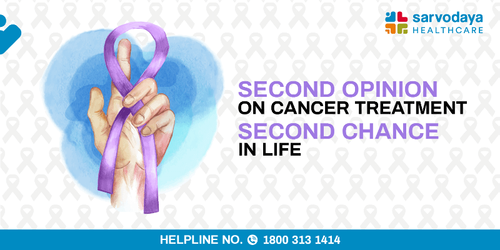

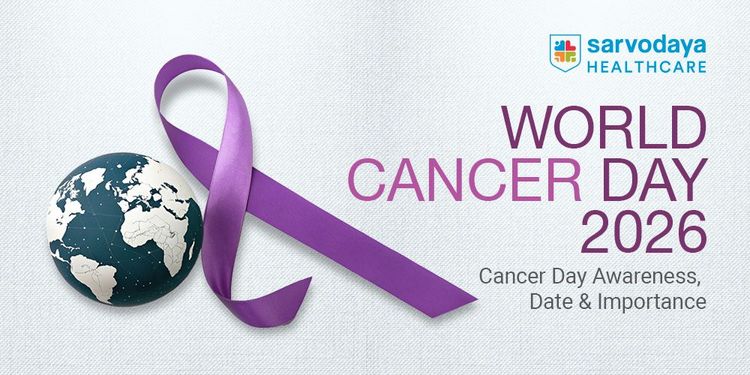


Cancer is a medical setback that affects millions of lives worldwide. In response, the world unites to raise awareness of Cancer Day on February 4, ensuring proper care for every individual and their families.
World Cancer Day is celebrated on 4 February every year. This movement is dedicated to promoting awareness about cancer, its prevention and diagnosis, emphasising the power of knowledge, awareness, compassion, and support.
At Sarvodaya, our commitment goes beyond treatment. Each speciality takes a step forward to personalise every patient’s journey, raising awareness and providing healthcare support.
What Is World Cancer Day?
World Cancer Day is a globally recognised day where individuals, healthcare professionals, organisations, and governments work together to increase public understanding of cancer, its risk factors, symptoms, and treatments. This not only strengthens cancer care and support but also reduces stigma and encourages timely detection.
This day is usually celebrated through social media campaigns, donations, seminars, workshops, and community events. Some survivors even share their personal journey to counter myths and help other survivors fight bravely.
When Is World Cancer Day Celebrated?
World Cancer Day was established on February 4, 2000, by the Union for International Cancer Control (UICC), a leading international governmental organisation. From that day onwards, this day is celebrated as World Cancer Awareness Day. Every year, UICC proposes a theme to focus on. The 2026 theme is “Upside-Down Challenge,” in which people will post photos upside down to show how cancer disrupts lives.
Read More- Beating Cancer with Modern Medicine
The Importance of World Cancer Day Awareness
A major consequence many survivors regret facing is the delay. Little awareness, fear, stigma, and misinformation often restrain people from seeking medical help. The same reason makes 4 February – Cancer Day, vital to reach every individual for timely prevention.
- Reducing Risks: The awareness campaigns and programs on this day are promoted to educate people about risks, symptoms, and diagnosis. Promoting healthy life choices, it helps reduce the risk and improve survival rates.
- Promoting Equal Treatment: Such awareness not only concentrates on education but also pushes governments to encourage accessibility, regardless of geography, income, or social status.
- Breaking Down Stigma: The primary reason to celebrate World Cancer Day has always been to address the fear, myths, and stigma surrounding cancer. Such movements encourage communities and individuals to openly discuss the issue and seek medical help.
- Timely Prevention: The campaign moves beyond just education. It encourages people to understand the symptoms, risks, and diagnosis, ensuring early detection and timely prevention.
Understanding Cancer: Types, Treatment, and Symptoms
Since World Cancer Day is about awareness, it is important to understand some general aspects of cancer. Cancer is not a single illness but a group of diseases in which abnormal cells grow unmanageably, spreading to other parts of the body.
Cancer is not limited to one group; it can affect people of all ages and backgrounds. Also, its impact goes beyond physical health, impacting emotional, social, and financial well-being.
Common Types of Cancer
Here are some of the cancers seen globally:
- Breast Cancer: One of the most commonly known types of cancer in women is Breast Cancer, which is also seen in men.
- Lung Cancer: This type is often linked to smoking, tobacco use and environmental exposure. It is also one of the leading factors of cancer-related deaths.
- Colorectal Cancer: As the name suggests, this type affects the colon or rectum. Routine screenings can detect it early.
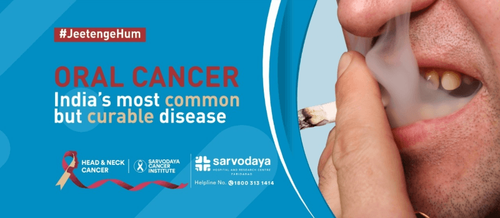
- Oral Cancer: This is mostly common in regions with high tobacco and betel nut use.
- Cervical Cancer: Associated with human papillomavirus (HPV) infection; cervical cancer can be prevented through vaccinations and routine check-ups.
- Blood Cancers: These cancers begin in the blood or the immune system, such as Leukaemia & Lymphoma Cancer.
General Treatment Approaches
The treatment generally depends on the type, stage, and overall condition of the patient. Sometimes, a combination of therapies is involved to provide better outcomes.
Common treatment approaches include:
- Surgery – Removal of cancerous tissue once the disease is limited to one area of the body.
- Chemotherapy – Use of medications to destroy cancer cells.
- Radiation Therapy – Using high-energy rays to eliminate cancer cells.
- Targeted Therapy and Immunotherapy – These therapies include advanced procedures that target cancer cells more accurately and improve the body’s immune response.
Many modern oncology treatments and technologies have been introduced over time. These developments usually focus on providing a personalised and multidisciplinary approach to every individual.
Recognising Symptoms: When to Seek Medical Attention
Early detection remains one of the most effective ways to improve cancer outcomes. While symptoms vary depending on the type of cancer, some common warning signs include:
- Unexplained weight loss
- Persistent fatigue
- Unusual lumps or swelling
- Changes in skin colour
- Persistent pain
- Chronic cough or dryness
- Unexplained bleeding or bruising
- Changes in bowel or bladder habits
- Difficulty swallowing
- Fever or night sweats
- Sores that do not heal
- Persistent indigestion or bloating
It is important to note that these symptoms do not always indicate cancer, but timely consultation helps determine the causes and diagnosis.
Significance of World Cancer Day in India
India faces a growing cancer burden due to lifestyle changes, environmental factors, limited awareness, and stigma, especially in rural and underdeveloped areas.
For the same reason, World Cancer Day awareness plays a crucial role by:
- Encouraging preventive health check-ups
- Reducing stigma linked with cancer
- Promoting treatment approaches
- Improving accessibility and timely medication
- Supporting national cancer control initiatives
The day serves as a reminder that awareness and early action can save countless lives.
Sarvodaya’s Approach to Cancer Care
At Sarvodaya, cancer care extends beyond treatment. Our multidisciplinary teams work collaboratively to ensure each patient receives personalised, compassionate, and comprehensive care throughout their journey.
Our Commitment Includes:
- Integrated oncology services
- Advanced diagnostic and treatment technologies
- Personalised care pathways
- Emotional and psychological support
- Rehabilitation and recovery assistance
Recognised by many as the best cancer hospital in Delhi NCR, Sarvodaya remains committed to ethical, patient-centric, and accessible cancer care.
Others Awareness Days: