
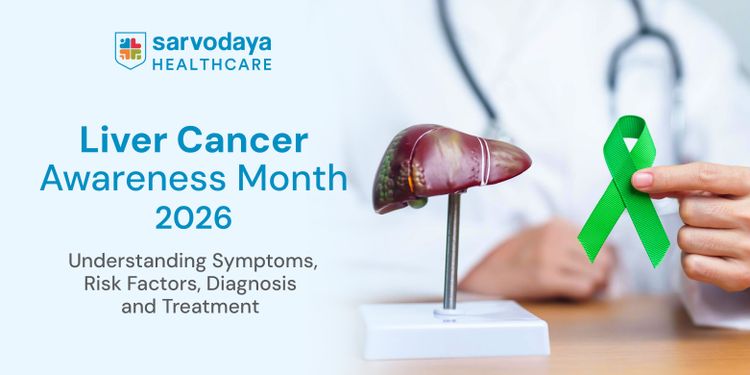


As one of the body's largest organs, the liver performs over 500 important functions, including filtering blood and processing nutrients, fighting infections, creating bile and producing important proteins required by the body. Despite being one of the most important organs, liver health is neglected, symptoms are ignored, and treatment is delayed to a point where it becomes difficult to treat and heal.
One of the major liver diseases is Liver Cancer. When cancer develops in the liver, it can affect the vital functions of the liver and may become difficult to treat if diagnosed at an advanced stage. Awareness can play an important role in recognising risks early.
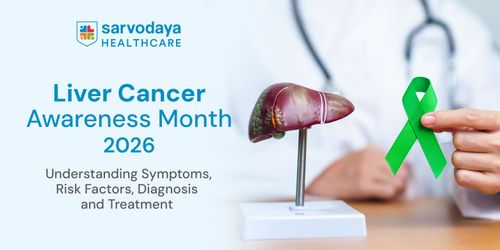
Liver Cancer Awareness Month is observed every October to raise awareness about liver cancer, its risk factors, warning signs, importance of early diagnosis, and available treatment options. Liver Cancer Awareness Month 2026 is an opportunity to encourage people to understand their liver health, recognise potential symptoms and seek timely medical advice when needed.
People with chronic liver disease, hepatitis infections, cirrhosis or other known risk factors may require regular medical monitoring even when they do not have noticeable symptoms.
In this blog, we will explore the importance of Liver Cancer Awareness Month, symptoms, causes and treatment for Liver Cancer.
Why is Liver Cancer Awareness Month Observed?
Liver Cancer Awareness Month is a dedicated period for increasing public understanding of liver cancer and encouraging people to take liver health seriously. It focuses on awareness, prevention, risk-factor management, early detection and timely treatment.
During Liver Cancer Awareness Month, the emphasis is not only on cancer itself but also on conditions that can increase the risk of developing it. Managing hepatitis B or C, limiting alcohol consumption, maintaining a healthy weight and addressing metabolic conditions can contribute to better liver health.
Types of Liver Cancer
Liver cancer can be divided into two categories:
- Primary Liver Cancer (starts in the liver)
- Secondary/metastatic Liver Cancer (spreads to the liver from another organ).
Further, the main types of primary liver cancer are:
- Hepatocellular carcinoma (HCC): The most common type in adults. It begins in hepatocytes, the main liver cells.
- Intrahepatic cholangiocarcinoma (bile duct cancer): Starts in the small bile ducts located inside the liver.
- Angiosarcoma and hemangiosarcoma: Rare cancers arising from blood vessels in the liver.
- Hepatoblastoma: A rare liver cancer occurring mainly in young children.
Secondary liver cancer is actually more common than primary liver cancer. For example, colorectal, pancreatic, breast, or lung cancer can spread to the liver; it is still classified and treated according to where the cancer originally started.
Common Symptoms of Liver Cancer
Liver cancer may not cause noticeable symptoms during its early stages. As the disease progresses, symptoms can become more apparent. However, the unusual symptoms can also occur because of several non-cancerous liver and digestive conditions.
Therefore, experiencing one or more of them does not necessarily mean that a person has liver cancer. However, persistent or unexplained symptoms should be evaluated by a liver expert.
Some common symptoms that may indicate Liver Cancer may include:
- Unexplained weight loss
- Loss of appetite
- Persistent fatigue or weakness
- Pain or discomfort in the upper right side of the abdomen
- A feeling of fullness after eating a small amount
- Nausea or vomiting
- Abdominal swelling
- Yellowing of the skin or eyes, known as jaundice
- Pale stools or dark urine
- Persistent fever
- An enlarged liver, which may sometimes be felt as a lump or fullness under the ribs
What are the Causes and Major Risk Factors for Liver Cancer?
Certain conditions and lifestyle factors can increase the risk of developing liver cancer. One of the most important risk factors is chronic liver disease, particularly when it causes cirrhosis or significant scarring of the liver.
Having the risk factors does not mean the person will get liver cancer. However, they have an increased risk of liver cancer compared to other people.
Important risk factors include:
- Chronic Hepatitis B or C
- Liver Cirrhosis
- Alcohol-Related Liver Disease
- Metabolic Dysfunction-Associated Steatotic Liver Disease
- Certain Toxins
- Fatty Liver Disease
- Heavy Alcohol Consumption
- Family and Genetic Factors
- Obesity, type 2 diabetes and metabolic syndrome
- Smoking
Can Liver Cancer Be Detected at an Early Stage?
Yes. Liver cancer can sometimes be detected at an early stage, particularly in people who are already known to be at higher risk.
People with cirrhosis or certain chronic liver conditions may be advised to undergo regular checkups and tests. Depending on the individual's condition, this may involve liver imaging, such as ultrasound, and blood tests such as alpha-fetoprotein (AFP).
Early detection can help with timely treatment and management of cancer.
How is Liver Cancer Diagnosed?
There is no single test that can be used to diagnose every case of liver cancer. Depending on the medical history, symptoms and severity of the condition, doctors may suggest tests or other investigations.
Diagnosis may involve:
- Blood tests: Liver function tests and other blood investigations can help assess liver health. AFP may also be measured in some patients, although it cannot by itself confirm or rule out liver cancer.
- Ultrasound: Ultrasound may help identify abnormalities or masses within the liver and is commonly used as part of surveillance in high-risk individuals.
- CT or MRI scans: These provide more detailed images of the liver and can help doctors assess the size, location and characteristics of a suspected tumour.
- Biopsy: In selected cases, a tissue sample may be required to examine the cells under a microscope. However, a biopsy is not necessary in every suspected case, as characteristic findings on imaging may sometimes be sufficient for diagnosis.
Once liver cancer is diagnosed, additional tests may be performed to determine its stage and whether it has spread to other parts of the body.
Liver Cancer Treatment Options
Early detection of cancer can help in better treatment and timely management of cancer in initial stages.
Liver cancer treatment depends on several factors, including the type and stage of cancer, tumour size and location, whether the disease has spread, liver function and the person's overall health.
Treatment may involve one or a combination of approaches.
Surgery
For selected patients with localised liver cancer and adequate liver function, surgery may be considered. This may involve removing the tumour along with a portion of the liver, known as liver resection.
Targeted Therapy
Targeted medicines are designed to act on specific pathways involved in cancer growth. They may be used in patients with advanced liver cancer based on their clinical condition and treatment plan.
Immunotherapy
Immunotherapy helps the body's immune system recognise and attack cancer cells. Certain immunotherapy-based treatments are used for advanced hepatocellular carcinoma in appropriate patients.
Radiation Therapy
Radiation therapy may be considered in selected situations, depending on the location and extent of the tumour and the patient's overall condition.
Nuclear Medicine Therapy
TARE (Transarterial Radioembolisation), also known as SIRT, is a minimally invasive treatment that targets liver cancer by delivering radiation directly into the tumour through the blood supply.
Because liver cancer can behave differently from one patient to another, treatment is often planned by a multidisciplinary cancer team that may include medical oncologists, surgical oncologists, radiation oncologists, hepatologists, interventional radiologists and other specialists.
When Should You Consult a Liver Cancer Specialist?
You should consider consulting a specialist if you have persistent or unexplained symptoms such as abdominal swelling, unexplained weight loss, jaundice, persistent upper abdominal discomfort or significant changes in appetite.
People with known risk factors should also maintain regular medical follow-up. This is particularly important for individuals with:
- Chronic hepatitis B or C
- Liver cirrhosis
- Long-standing liver disease
- A history of significant alcohol-related liver damage
- Metabolic liver disease
- A previous history of liver cancer
- Other conditions that may increase liver cancer risk
Early consultation does not mean that cancer is necessarily present. It simply allows symptoms and risk factors to be evaluated appropriately and, when required, further investigations to be initiated.
Prevention of Liver Cancer
Liver cancer cannot always be prevented, but several measures can significantly reduce the risk, particularly by preventing chronic liver disease and cirrhosis.
Key ways to reduce your risk of Liver Cancer
- Get vaccinated against Hepatitis B
- Get tested and treated for Hepatitis C
- Limit alcohol consumption
- Maintain a healthy weight
- Prevent and manage fatty liver disease
- Avoid smoking
- Reduce exposure to aflatoxins
Role of Society in Liver Cancer Awareness
Society plays an important role in raising awareness for liver health, timely checkups, regular assessments, early detection of liver cancer and timely treatment and recovery.
Healthcare professionals, along with the government and other influential segments, can:
- Spread awareness about liver cancer, hepatitis and major risk factors.
- Encourage Hepatitis B vaccination and hepatitis testing.
- Promote healthy lifestyles, including a balanced diet, physical activity and limited alcohol.
- Reduce stigma and myths around liver disease and cancer.
- Encourage timely screening and medical care for people at higher risk.
- Support patients and families throughout treatment and recovery.
Liver Cancer Awareness Month 2026: Make Liver Health a Priority
Liver Cancer Awareness Month 2026 is a reminder that liver health deserves attention throughout the year, not only during October. Understanding risk factors, managing chronic liver conditions, avoiding harmful lifestyle habits and seeking medical advice for persistent symptoms can all contribute to better health outcomes.
Sarvodaya Cancer Institute, one of North India’s leading cancer care centres, brings highly experienced cancer specialists, including cancer doctors for medical, surgical, radiation oncology, along with nuclear medicine experts. Comprehensive cancer care is offered to patients with a multidisciplinary tumour board that includes all cancer doctors, along with senior urology experts, to make a personalised treatment plan for the patient.
From awareness, prevention and diagnosis to chemotherapy, surgery, radiation therapy or nuclear medicine, the centre houses all treatment options under one roof, including day care facilities and highly advanced technology.
If you are experiencing persistent symptoms or have a condition that increases your risk of liver cancer, speak with a qualified healthcare professional for an individual assessment. Book your appointment now.