
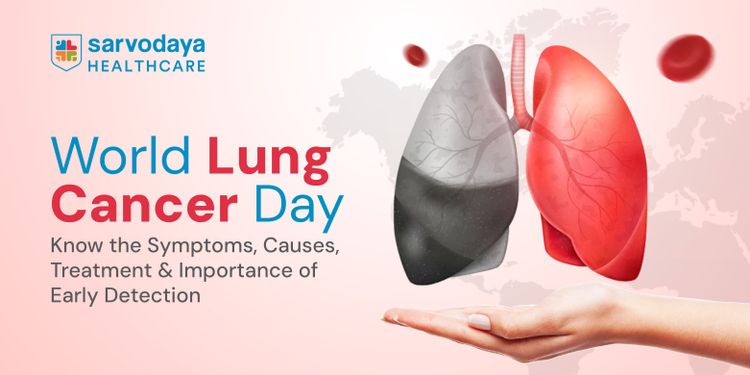


Every breath we take is a reminder of how vital our lungs are to our health. As per certain studies, an average adult takes approximately 20-22k breaths per day. Roughly processing around 13 pints of air every minute. Lungs are the primary respiratory organs that help transfer oxygen into the blood and expel carbon dioxide.
Yet, millions of people worldwide are affected by lung diseases, especially lung cancer, every year, making it one of the leading causes of cancer-related deaths. While many people associate lung cancer with smoking, there have been several cases of lung cancer in non-smokers and non-drinkers.
The good news, though, is that increased awareness, timely diagnosis, and advancements in lung cancer treatment have significantly improved survival rates.
World Lung Cancer Day, observed every year on 1st August, aims to spread such awareness about lung cancer symptoms, encourage early screening, promote preventive measures, and support patients and caregivers battling this disease.
In the following blog, let's understand why this day matters and what everyone should know about lung cancer.
What is World Lung Cancer Day?
World Lung Cancer Day is observed annually on August 1 to raise awareness about lung cancer, educate people about its warning signs, reduce stigma associated with the disease, and encourage early diagnosis and timely treatment.
For this day, healthcare organisations, hospitals, patient support groups, and government entities across the world organise awareness campaigns, health talks, screenings, and educational initiatives to help people recognise the disease early.
Why is World Lung Cancer Day Important?
Despite being one of the most common cancers globally, there is a major lack of awareness regarding the symptoms, causes and signs of lung cancer. People don’t recognise the signs or sometimes ignore them, mistaking them for common respiratory illnesses, due to which the lung cancer is often diagnosed at an advanced stage, when it becomes difficult to manage.
World Lung Cancer Day serves several important purposes:
● Raises awareness about the symptoms of lung cancer
● Promotes smoking cessation and healthy lifestyles
● Encourages people at high risk to undergo screening
● Reduces misconceptions that only smokers develop lung cancer
● Supports patients, survivors, and caregivers
● Advocates for better access to quality cancer care
Theme for World Lung Cancer Day 2026
The theme for World Lung Cancer Day 2026 is “Lung Health for All.”
The theme focuses on the importance of access to timely screening, accurate diagnosis, advanced treatment, and compassionate care for everyone, regardless of their background or circumstances. Raising awareness about lung cancer, recognising its early symptoms, and encouraging preventive measures can lead to earlier diagnosis and better outcomes. Together, we can reduce the burden of lung cancer by promoting healthier lifestyles, supporting those affected, and ensuring that quality lung healthcare is accessible to everyone.
Understanding Lung Cancer
Lung cancer is one of the most common cancers in India. It develops when abnormal cells in the lungs grow uncontrollably and form a tumour. If left untreated, these cancer cells can spread to nearby tissues or other parts of the body.
When cancer spreads to the lungs from another organ, such as the breast, colon, kidney, or prostate, it is called metastatic cancer to the lungs. This differs from primary lung cancer, which begins in the lungs themselves.
Types of Lung Cancer
Understanding the types of lung cancer helps determine the most appropriate treatment.
1. Non-Small Cell Lung Cancer (NSCLC)
This is the most common type, accounting for nearly 85% of all lung cancers. It generally grows slowly and often responds well to the surgery, targeted therapy, immunotherapy or radiation therapy, depending on the stage.
2. Small Cell Lung Cancer (SCLC)
Small-cell lung cancer is less common but grows and spreads much more rapidly. It is strongly associated with smoking and is usually treated with chemotherapy, immunotherapy, and radiation therapy.
Lung Cancer Causes
Although smoking remains one of the biggest causes of lung cancer, there are several other causes that people should be aware of:
● Passive smoking (second-hand smoke)
● Air pollution
● Exposure to asbestos
● Radon gas exposure
● Occupational chemicals
● Family history of lung cancer
● Previous radiation therapy to the chest
● Certain genetic mutations
Importantly, many patients diagnosed with lung cancer have never smoked. So, it is important to know and understand the other common causes of lung cancer.
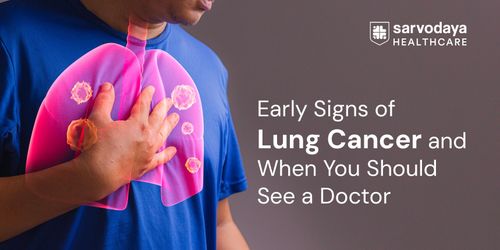
Lung Cancer Symptoms
Recognising lung cancer symptoms early can lead to earlier diagnosis, timely treatment and better outcomes.
Common symptoms of lung cancer include:
● Persistent cough lasting more than three weeks
● Coughing up blood
● Chest pain
● Shortness of breath
● Wheezing
● Hoarseness of voice
● Frequent chest infections
● Unexplained weight loss
● Loss of appetite
● Fatigue
● Bone pain
● Headaches (if cancer has spread)
Some patients may have no symptoms during the early stages, which is why high-risk individuals should discuss screening with their doctor.
How is Lung Cancer Diagnosed?
Diagnosis of Lung Cancer begins with a detailed medical history and physical examination.
Some of the investigation doctors may recommend include:
● Chest X-ray
● CT Scan
● PET-CT Scan
● Bronchoscopy
● Needle Biopsy
● Endobronchial Ultrasound (EBUS)
● Molecular Testing
● Blood Investigations
Lung Cancer Treatment
Modern lung cancer treatment is highly personalised and depends on the type of lung cancer, stage of disease, the patient’s age, genetic mutations, and the patient’s overall health and preferences.
The common treatment options for Lung Cancer include:
● Chemotherapy
● Minimally Invasive Surgery
● Radiation Therapy
● Targeted Therapy
● Immunotherapy
● Nuclear Therapy
● Palliative Care
Can Lung Cancer Be Prevented?
Although not every case of Lung Cancer can be prevented, the risk can be significantly reduced.
Preventive measures include:
● Avoid smoking
● Quit tobacco in all forms
● Avoid second-hand smoke
● Maintain healthy indoor air quality
● Reduce exposure to occupational chemicals
● Exercise regularly
● Eat a balanced diet rich in fruits and vegetables
● Get regular health check-ups
● Discuss lung cancer screening if you are at high risk
Early detection remains one of the most effective ways to improve survival.
Living Beyond Lung Cancer
A diagnosis of lung cancer is life-changing, but many patients today live longer and healthier lives due to advances in medical science.
Recovery often involves:
● Regular follow-up appointments
● Pulmonary rehabilitation
● Nutritional counselling
● Psychological support
● Physical activity
● Smoking cessation
● Family and community support
Many survivors become advocates, helping spread awareness and encouraging others to seek timely medical attention.
How You Can Support World Lung Cancer Day
Everyone can help make a difference on World Lung Cancer Day 2026.
You can:
● Learn about lung cancer and share reliable information
● Encourage loved ones to quit smoking
● Support patients and caregivers emotionally
● Participate in awareness campaigns
● Promote regular health check-ups
● Encourage high-risk individuals to undergo screening
● Donate to cancer research and patient support organisations
Even a simple conversation about early symptoms can help save a life.
Conclusion
World Lung Cancer Day reminds us that awareness is one of the strongest weapons against lung cancer. Knowing the signs of lung cancer, understanding the lung cancer causes, recognising lung cancer symptoms, and seeking timely medical care can dramatically improve outcomes.
At Sarvodaya, we house a dedicated team of highly experienced pulmonologists and cancer experts who guide the patients from the first-touch point of consultation to their evaluation, diagnosis, treatment and recovery. Equipped with advanced technology and modalities,
Whether you are a smoker, a former smoker, or someone who has never smoked, paying attention to persistent respiratory symptoms should never be ignored.
This World Lung Cancer Day, take a moment to spread awareness, encourage early screening, and support those affected by lung cancer. Together, we can help more people breathe easier and live healthier lives.