
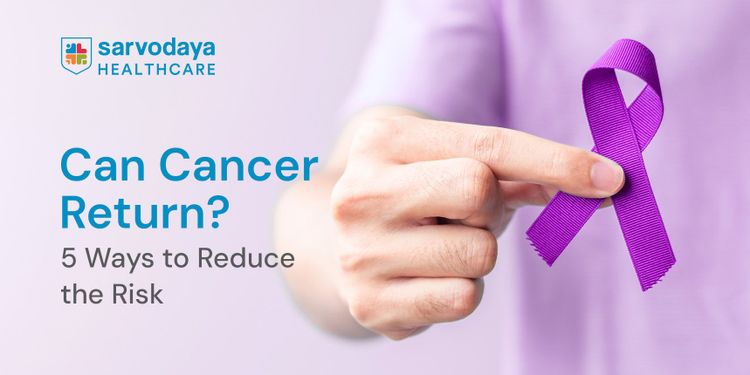


Completing cancer treatment is a major milestone. It may bring relief, hope, and the feeling that life can finally begin moving forward again. But for many cancer survivors, one question remains in the background: Can cancer return after treatment?
The honest answer is yes, cancer can sometimes come back. This is known as cancer recurrence or relapse. However, recurrence does not happen to every patient, and the risk is not the same for every type of cancer.
The possibility depends on several factors, including the type and stage of the original cancer, its biological features, how much it had spread, and how well it responded to treatment. In some people, recurrence may happen within a few years. In others, it may happen much later. Many patients never experience it at all.
There is no guaranteed way to stop cancer from returning. Still, regular follow-up, completing prescribed treatment, avoiding tobacco, staying active, eating well, and reporting unusual symptoms can support recovery and may help reduce certain risks.
In this blog, we will answer common questions like can cancer come back after treatment, explain cancer recurrence risk and prevention, and discuss five practical steps that may help after treatment.
What Is Cancer Recurrence?
Cancer recurrence means that the same cancer has returned after treatment and after a period during which it could no longer be detected.
It may happen when a very small number of cancer cells survive the original treatment. These cells may be too small to appear on scans or tests at that time. Later, they may begin to grow again.
This does not necessarily mean that the previous treatment was wrong or unsuccessful. Cancer cells can sometimes remain hidden despite carefully planned treatment.
Doctors describe recurrence according to where it appears:
- Local recurrence: Cancer returns at or near the original site
- Regional recurrence: Cancer returns in nearby tissues or lymph nodes
- Distant recurrence: Cancer appears in another organ or part of the body
A cancer found after treatment is not always a recurrence. Sometimes, a person may develop a completely new cancer that is unrelated to the first one. Doctors use scans, tests, and sometimes a biopsy to understand the difference.
Why Can Cancer Come Back After Treatment?
Cancer treatment aims to remove, destroy, or control cancer cells. Surgery may remove the visible tumour, while chemotherapy, radiation therapy, targeted therapy, immunotherapy, or hormonal therapy may help destroy remaining cancer cells.
Even after successful treatment, a few microscopic cancer cells may sometimes remain in the body. These cells may stay inactive for some time before beginning to grow again.
The chance of recurrence may depend on:
- The type of cancer
- The stage at diagnosis
- The size and location of the tumour
- Whether cancer had reached the lymph nodes or other organs
- The grade or aggressiveness of the cancer
- Genetic or molecular features of the tumour
- Whether the entire planned treatment was completed
- How well the cancer responded to treatment
The risk differs greatly between patients. Two people with the same cancer may still have different recurrence risks because their tumours and health conditions are not exactly alike.
Your oncologist is the right person to explain your individual risk based on your diagnosis and treatment history.
Can Cancer Recurrence Be Completely Prevented?
There is no method that can completely guarantee that cancer will not return. Even someone who follows every medical and lifestyle recommendation may still experience recurrence.
This is important because patients should not blame themselves if cancer comes back. Recurrence is largely affected by the biology and behaviour of the disease, not simply by personal habits.
However, some steps may support the body after treatment, lower the risk associated with certain cancers, help prevent other diseases, and make it easier to detect any problem early.
Here are five important ways to prevent cancer from coming back or help lower the risk where possible.
1. Complete Your Treatment and Take Medicines as Prescribed
Cancer treatment may continue even after surgery or after the visible tumour has been removed. Doctors may recommend chemotherapy, radiation therapy, hormonal therapy, targeted therapy, or another form of treatment to destroy remaining microscopic cancer cells and reduce the risk of recurrence.
This is often called adjuvant treatment.
Some medicines may need to be taken for several months or years. For example, hormonal treatment may be prescribed after certain breast or prostate cancers.
It is important to:
- Complete the recommended treatment schedule
- Take medicines at the advised dose and time
- Avoid stopping treatment without speaking to your oncologist
- Tell your doctor if side effects are making treatment difficult
- Attend blood tests and monitoring appointments
- Ask before taking supplements or alternative medicines
Side effects can sometimes make patients want to stop treatment. Instead of discontinuing it independently, speak to the cancer team. Many side effects can be managed by adjusting the dose, timing, supportive medicines, diet, or daily routine.
Completing the planned treatment is one of the most important parts of how to reduce the risk of cancer recurrence.
2. Attend Regular Follow-Up Appointments
Follow-up care does not end when active cancer treatment finishes. Regular appointments allow the cancer team to monitor recovery, manage delayed side effects, and look for signs that the disease may have returned.
The follow-up schedule depends on the type of cancer, treatment received, time since treatment, and personal risk.
Follow-up may include:
- Physical examination
- Blood tests
- Imaging tests such as ultrasound, CT, MRI, mammography, or PET-CT, when required
- Cancer-specific tests or tumour markers in selected cases
- Monitoring of treatment-related side effects
- Screening for other cancers when appropriate
- Discussion about emotional and physical recovery
Not every patient needs frequent scans. Your doctor will decide which tests are genuinely useful. Getting extra scans without medical advice may expose patients to unnecessary radiation, cost, and anxiety without improving care.
Keep your follow-up reports, treatment summary, medicine list, and discharge documents organised. Also, inform your doctor if you develop any new or persistent symptoms between scheduled visits rather than waiting for the next appointment.
3. Stay Physically Active and Maintain a Healthy Weight
Physical activity can help improve strength, energy, sleep, heart health, mood, and overall quality of life after cancer treatment. Research also suggests that regular activity and healthy weight management may be associated with better outcomes in survivors of some cancers.
The right activity level will depend on the treatment you received, your strength, and whether you have any movement, heart, lung, bone, or nerve-related difficulties.
You can begin with:
- Short, comfortable walks
- Gentle stretching
- Light household activities
- Breathing and mobility exercises
- Strength exercises under professional guidance
- Gradually increasing activity as stamina improves
Avoid comparing your recovery with someone else’s. A person recovering from major cancer surgery may need a different plan from someone who has completed day-care chemotherapy.
If treatment has caused weakness, balance problems, swelling, pain, or reduced movement, speak to your doctor or physiotherapist before beginning a new exercise routine.
Maintaining a healthy weight is also important, but sudden or restrictive dieting after cancer treatment is not advisable. Weight goals should be gradual and guided by a doctor or qualified dietitian.
4. Follow a Balanced Diet and Avoid Tobacco and Excess Alcohol
There is no single food, supplement, juice, or herbal remedy that can guarantee protection against recurrence. However, a balanced diet can contribute to good health.
Your meals may include:
- Vegetables and seasonal fruits
- Whole grains and high-fibre foods
- Pulses, beans, and other healthy protein sources
- Eggs, fish, or lean meats where suitable
- Nuts and seeds in appropriate portions
- Adequate fluids
- Food prepared with limited processed meat, excess salt, and added sugar
Dietary needs may be different if treatment has caused swallowing difficulty, poor appetite, bowel problems, kidney issues, weight loss, or reduced immunity. In these situations, a cancer dietitian can prepare a personalised plan.
Tobacco should be stopped in every form.
Continued tobacco use can affect healing and increase the risk of recurrence, treatment complications, or a second cancer.
Alcohol should also be avoided or limited according to medical advice. For some patients and cancer types, avoiding it completely may be recommended.
Before taking vitamins, herbal preparations, protein powders, or high-dose supplements, check with your oncologist. Some products can interfere with cancer medicines or affect the liver, kidneys, or blood clotting.
5. Know Your Body and Report Persistent Changes
Follow-up tests are important, but patients also play a role in noticing changes between appointments.
The signs of cancer recurrence after treatment vary according to the original cancer and the part of the body affected. There is no single symptom that confirms recurrence.
Possible signs may include:
- A new lump or swelling
- Persistent or worsening pain
- Unexplained weight loss
- Loss of appetite
- Unusual tiredness that does not improve
- Persistent cough or breathlessness
- Changes in bowel or bladder habits
- Unusual bleeding
- Headaches, weakness, or balance changes
- Swelling in the arms, legs, neck, or abdomen
- A symptom similar to the one experienced before the original diagnosis
Most of these symptoms can also occur due to non-cancerous conditions or late effects of treatment. Still, they should be evaluated if they are unexplained, persistent, worsening, or unusual for you.
What About Stress and Sleep?
Fear of cancer returning is extremely common after treatment. A headache, pain, follow-up scan, or even an upcoming hospital visit can bring back the anxiety of the original diagnosis.
Stress by itself does not prove that cancer will return. However, managing stress and sleeping well can support recovery, emotional health, and daily functioning.
Helpful steps may include:
- Maintaining a regular sleep routine
- Speaking openly with family or trusted friends
- Practising breathing or relaxation exercises
- Returning gradually to enjoyable activities
- Joining a cancer survivor support group
- Seeking counselling if fear affects everyday life
Contact your doctor or counsellor if worry prevents you from sleeping, working, eating, attending follow-ups, or enjoying normal activities.
What Happens If Cancer Returns?
If cancer is suspected, doctors may repeat some of the tests used during the original diagnosis. These may include blood tests, CT, MRI, PET-CT, biopsy, or other investigations, depending on the cancer type.
The treatment plan will depend on:
- Where the cancer has returned
- Whether it is local, regional, or distant
- The previous treatment received
- How long the cancer remained under control
- The biological features of the cancer
- The patient’s current health and treatment goals
Treatment may include surgery, chemotherapy, radiation therapy, targeted therapy, immunotherapy, hormonal therapy, nuclear medicine-based therapy, or a combination of approaches.
A recurrence does not automatically mean that no treatment is possible. Some local or regional recurrences may still be treated with the aim of long-term control or cure. In other cases, treatment may help control the disease, relieve symptoms, and preserve quality of life.
Sarvodaya’s Approach to Care After Cancer Treatment
At Sarvodaya Cancer Institute, care continues beyond the completion of surgery, chemotherapy, or radiation therapy. Follow-up plans are personalised according to the type and stage of cancer, treatment received, recovery needs, and individual risk factors.
Care after cancer treatment may include:
- Regular consultation with cancer specialists
- Planned blood tests and imaging when clinically required
- Monitoring for treatment-related side effects
- Review of new or persistent symptoms
- Medical Oncology, Surgical Oncology, and Radiation Oncology support
- Tumour board review for suspected or confirmed recurrence
- Nutrition, pain management, counselling, and rehabilitation support
- Personalised planning if further treatment is required
- Guidance for long-term recovery and healthy living
The aim is to help patients remain informed and supported after treatment, while ensuring that any concerning change is evaluated without unnecessary delay.
Final Thoughts
Cancer can return after treatment, but recurrence is not certain. The risk differs for every patient and depends mainly on the type, stage, and behaviour of the original cancer.
There is no guaranteed formula for preventing recurrence. However, completing treatment, attending follow-up appointments, remaining physically active, following a balanced diet, avoiding tobacco, and reporting unusual symptoms are meaningful steps you can take.
Most importantly, do not carry the fear alone. Ask your oncologist about your personal recurrence risk, the symptoms you should watch for, and the follow-up plan designed for you.
Life after cancer treatment should not become a constant search for warning signs. The goal is to stay aware, remain consistent with medical care, and gradually return to living with confidence.