



Everyone gets sick sometimes. A viral infection, seasonal flu or a bad night's sleep can leave you tired for a few days.
But what if you keep getting infections? What if fever keeps returning without a clear reason, or fatigue continues even after you have rested?
Many people simply assume that their immunity is low.
Sometimes, that may be true. But your immune system does not work on its own. Your blood and bone marrow play an important role in producing and carrying the cells that protect your body, carry oxygen and control bleeding.
So, in some cases, repeated infections, unexplained fever or persistent fatigue can point towards a blood disorder or another underlying condition.
That does not mean these symptoms indicate blood cancer. Most of them can occur for many other reasons too.
The important question is: When should these symptoms make you look beyond “low immunity”?
What Does Your Blood Have to Do With Immunity?
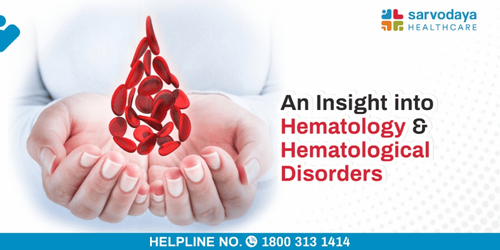
Your blood does much more than carry oxygen around your body.
It contains different types of cells, and each has a specific job:
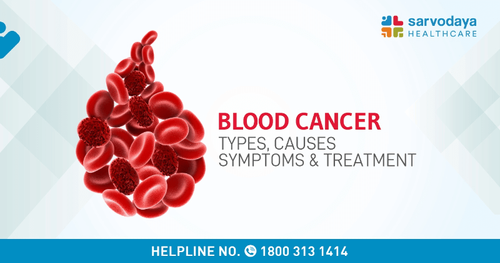
- Red blood cells carry oxygen to your tissues.
- White blood cells help your body fight infections.
- Platelets help stop bleeding by forming clots.
Your bone marrow acts like a production centre for these blood cells.
When a blood disorder affects the number or function of these cells, the effects can show up in very different ways.
You may feel unusually tired if your red blood cell count is low. You may become more vulnerable to infections if certain white blood cells are affected. You may bruise or bleed more easily if your platelet count falls.
That is why seemingly unrelated symptoms can sometimes have a common connection.
When Do Frequent Infections Mean More Than “Low Immunity”?
Getting a cold or fever occasionally is normal.
The concern starts when infections become unusually frequent, severe, prolonged or difficult to recover from.
Some blood and bone-marrow disorders can affect the body's ability to produce healthy white blood cells. When those cells cannot work properly, the body may have greater difficulty fighting infections.
For example, conditions that affect the immune proteins called immunoglobulins can lead to recurrent infections involving the ears, sinuses, lungs or other parts of the body.
So instead of asking only, “Why is my immunity so weak?”, a doctor may also ask:
“Why does this person keep getting infections in the first place?”
That difference can change what needs to be investigated.
Could Persistent Fever Be a Sign of a Blood Disorder?
Fever usually tells us that the body is responding to something, often an infection.
But a fever that keeps returning, lasts longer than expected or has no obvious cause deserves attention.
Some blood disorders and blood cancers can cause persistent fever because of changes in the immune system or inflammation within the body. Fever is seen in conditions ranging from bone-marrow disorders to leukemia and lymphoma.
However, persistent fever does not mean you have a blood disorder.
Infections, autoimmune diseases and several other conditions can cause the same symptom.
The clue is not simply that you have fever. It is the pattern, duration and symptoms that occur alongside it.
Why Does a Blood Disorder Make You Feel Tired All the Time?
Fatigue is one of the easiest symptoms to dismiss.
You may blame it on work, stress, poor sleep or simply getting older.
But your body needs a constant supply of oxygen to produce energy. Red blood cells carry that oxygen. If their number or function is reduced, you may feel tired, weak, dizzy or short of breath.
Anaemia is one common example.
Other blood and bone-marrow disorders can also cause fatigue when they interfere with the production of healthy blood cells.
This is why persistent fatigue becomes more meaningful when it appears alongside other unexplained symptoms.
What Other Signs Should You Not Ignore?
Frequent infections, fever and fatigue are not the only symptoms that can accompany blood disorders.
Pay attention if you also notice:
- Easy or unexplained bruising
- Frequent nosebleeds or bleeding gums
- Tiny red or purple spots on the skin
- Unexplained weight loss
- Persistent night sweats
- Swollen lymph nodes
- Bone or joint pain
- Unusual paleness
- Shortness of breath
- A feeling of fullness or discomfort in the abdomen
These symptoms can occur in many conditions, including infections, nutritional deficiencies and other non-cancerous illnesses. But when several appear together or continue without an obvious explanation, they deserve medical evaluation.
Which Blood Disorders Can Cause These Symptoms?
“Blood disorder” is a broad term. It does not automatically mean blood cancer.
Different disorders affect different parts of the blood.
Anaemia
Anaemia occurs when the blood does not carry enough oxygen to meet the body's needs.
Depending on the cause, it can lead to fatigue, weakness, dizziness, pale skin, shortness of breath and a fast heartbeat.
Bone Marrow Disorders
Your bone marrow produces blood cells. When it stops producing enough healthy cells, you may develop a combination of fatigue, frequent infections, fever, bruising or bleeding.
Aplastic anaemia, for example, can cause low numbers of blood cells and may lead to fatigue, frequent infections and unusual bleeding or bruising.
Blood Cancers
Leukemia, lymphoma and multiple myeloma are types of blood cancer, but they do not all behave in the same way.
Leukemia affects blood-forming tissues and can cause fatigue, fever, frequent infections, bruising and bleeding. Lymphoma may cause persistent fever, night sweats and swollen lymph nodes. Multiple myeloma can cause bone pain, anaemia and other problems.
This is why doctors do not diagnose a blood disorder from one symptom alone.
Does Having These Symptoms Mean You Have Blood Cancer?
This is probably the most important thing to understand.
Fatigue can result from poor sleep or anaemia. Fever commonly occurs with infections. Swollen lymph nodes can appear when your body is fighting an infection. Even frequent infections can have causes unrelated to blood cancer.
The concern increases when symptoms are persistent, unexplained, recurrent or occur in combination.
For example, frequent infections along with unusual bruising, persistent fatigue and unexplained fever may prompt a doctor to investigate whether something is affecting the blood or bone marrow.
The purpose of evaluation is not to assume the worst.
It is to find the actual reason behind the symptoms.
How Are Blood Disorders Diagnosed?
The investigation often starts with something surprisingly simple: a blood test.
Your doctor may begin with a complete blood count (CBC) to check the number and characteristics of your red blood cells, white blood cells and platelets.
Depending on the results and your symptoms, further tests may include:
- Peripheral blood smear
- Iron, vitamin or other nutritional tests
- Tests for infection or inflammation
- Blood chemistry tests
- Bone marrow examination
- Imaging or other specialised tests when needed
A CBC can reveal that something is wrong, but it does not automatically tell you what the diagnosis is.
An abnormal blood count is a clue, not a final diagnosis.
Doctors interpret the result alongside your symptoms, examination and other investigations.
When Should You See a Doctor?
You do not need to panic every time you catch a cold.
But it is worth speaking with a doctor if you notice:
- Infections that keep returning or take unusually long to improve
- Fever that persists or repeatedly returns without a clear cause
- Fatigue that does not improve with adequate rest
- Unexplained weight loss
- Easy bruising or unusual bleeding
- Persistent swollen lymph nodes
- Recurrent night sweats
- Bone pain or unusual weakness
- Several of these symptoms occurring together
Mayo Clinic and Cleveland Clinic both emphasise that blood-related conditions can produce vague symptoms that resemble common illnesses. Persistent or concerning symptoms therefore deserve evaluation rather than repeated self-treatment.
Blood Disorder Care at Sarvodaya Hospital
Persistent fatigue, recurrent infections, unexplained fever or unusual bleeding can have many possible causes. Finding the right one often begins with a detailed evaluation rather than assuming that the problem is simply “low immunity.”
At Sarvodaya Hospital, the Haematology & Bone Marrow Transplant Centre provides evaluation and specialised care for a range of blood and bone-marrow disorders, including anaemia, thalassemia, aplastic anaemia, leukaemia, lymphoma and other complex blood disorders. The team also provides bone marrow transplant services for patients who need them.
The hospital's haematology services include diagnostic evaluation and specialised procedures such as bone marrow aspiration and biopsy, haemoglobin electrophoresis and other blood-related investigations, depending on the condition being assessed.
If symptoms keep returning without a clear explanation, the first step is not to assume the worst. It is to find the reason.
Conclusion
Frequent infections, unexplained fever and persistent fatigue do not automatically mean your immunity is weak.
And they certainly do not automatically mean blood cancer.
But when these symptoms keep returning or appear alongside unexplained bruising, weight loss, swollen lymph nodes or other changes, it may be time to look deeper.
Sometimes the answer is a common and treatable condition such as anaemia. Sometimes it may be another blood disorder or a condition affecting the immune system.
The important thing is not to label the symptom as “low immunity” and stop there. Find out why it is happening.