


Choosing a cancer treatment can feel overwhelming, especially when you are trying to understand what each option means for your health, recovery, and daily life.
The good news is that treatment decisions are never made casually or based on a single factor. Doctors carefully evaluate the type of cancer, its stage, your overall health, and your individual needs before recommending a plan.
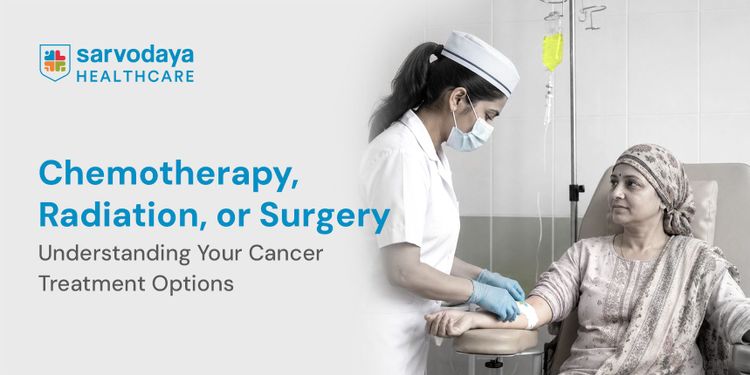
Chemotherapy, radiation therapy, and surgery are three of the most commonly used approaches, and each works in a different way to help treat cancer and manage the disease effectively.
If you have been searching for a clear comparison of cancer treatment options, this blog is designed to help you better understand these treatments in simple language.
You will learn how each method works, when it may be recommended, and how specialists decide which approach or combination of treatments may be most suitable for you.
What Is Cancer Treatment?
There is no single treatment that works for every individual. Your cancer treatment depends on several factors, including the type of cancer, where it is located, how far it has spread, your immune system, and your overall health.
The term “Cancer Treatment” refers to the medical care used to remove cancer, destroy cancer cells, or slow their growth while protecting healthy parts of the body as much as possible. The main goal is not only to treat the disease but also to help you maintain the best possible quality of life during and after treatment.
Depending on the situation, treatment may aim to cure the cancer, control it, or help relieve symptoms and discomfort.
Chemotherapy
Hearing the word chemotherapy can feel intimidating at first, especially when you are already processing a cancer diagnosis. However, chemotherapy is a widely used and carefully planned treatment that has helped many people manage cancer more effectively. It uses medicines that target rapidly dividing cells, including cancer cells.
Depending on the treatment plan, chemotherapy may be given through tablets, injections into a vein, or sometimes a combination of both.
Read More- Immunotherapy: A New Frontier in Cancer Treatment and Healing
When Is Chemotherapy Recommended?
Chemotherapy may be used in different ways depending on the type and stage of cancer.
- Before surgery, to help shrink a tumour
- After surgery, to reduce the chances of cancer returning
- Along with radiation therapy in certain cancers
- As the main treatment for some blood cancers
- To help slow cancer growth and manage symptoms in advanced stages
How Is Chemotherapy Different From Other Cancer Treatments?
When people compare chemotherapy vs radiation vs surgery, the difference usually comes down to how each treatment works. Chemotherapy travels throughout the body through the bloodstream, while radiation therapy targets a specific area, and surgery focuses on physically removing the tumour.
Common Side Effects of Radiation Therapy
Because chemotherapy is administered through medications and injections, it can sometimes affect healthy, fast-growing cells and result in nausea, fatigue, temporary taste changes, lowered immunity, and similar issues.
However, all these side effects are manageable under expert guidance. Your cancer specialist will carefully evaluate your condition and guide you on whether chemotherapy is the right option for your specific case.
Radiation Therapy
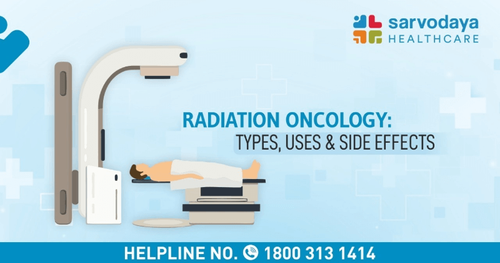
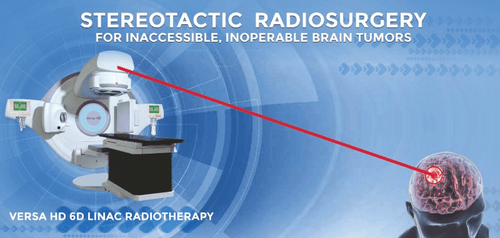
Many people assume radiation therapy and chemotherapy are the same treatment, but they work very differently. Radiation therapy uses high-energy beams to damage cancer cells in a specific part of the body, helping stop them from growing and spreading.
Unlike chemotherapy, which travels throughout the bloodstream, radiation therapy is considered a local treatment because it focuses only on the targeted area. In fact, radiation therapy is used in more than half of cancer cases at some stage of treatment, either alone or along with surgery and chemotherapy.
Some temporary side effects may occur during radiation therapy, depending on the area being treated, but doctors carefully plan treatment to minimise discomfort as much as possible.
Read More- What is Breast Cancer? Symptoms, Causes, Types, Stages & Treatment Explained
When Is Radiation Therapy Recommended?
Radiation therapy may be advised in different situations depending on the type, size, and location of the cancer.
- To treat localised cancers
- After surgery, to reduce the risk of cancer returning
- Along with chemotherapy for certain cancers
- To shrink tumours before surgery in some cases
- To help relieve symptoms such as pain, pressure, or bleeding
Sometimes, even a small targeted area can make a major difference in symptom relief and quality of life.
Types of Radiation Therapy
Not all radiation treatments are delivered the same way. The method depends on where the cancer is located and how precisely the radiation needs to be targeted.
- External Beam Radiation: Radiation is delivered from a machine outside the body toward the affected area
- Internal Radiation (Brachytherapy): A radiation source is placed inside or very close to the cancer for focused treatment
Modern radiation techniques are carefully planned to minimise exposure to nearby healthy tissues as much as possible.
Surgery
For many cancers, surgery is one of the most direct treatment approaches. The goal is to remove cancerous tissue from the body. In some cases, nearby lymph nodes or part of an affected organ may also need to be removed.
When cancer is detected early and remains limited to one area, surgery may sometimes remove the tumour completely.
When Is Surgery Recommended?
Doctors may advise surgery in different situations, such as:
- When cancer is localised and can be safely removed
- After chemotherapy or radiation therapy to remove remaining cancer cells
- To remove nearby lymph nodes and check whether cancer has spread
- To help relieve symptoms like pain, blockage, or pressure caused by a tumour
- Along with other treatments as part of a long-term cancer care plan
Read More- Beating Cancer with Modern Medicine: Latest Therapies, Timely Detection and Real Hope
Is Surgery Always a Major Procedure?
Not necessarily. Many hospitals now offer minimally invasive procedures for selected cancers, which may involve smaller cuts, less pain, and quicker recovery in suitable patients.
The type of surgery depends on several factors, including the cancer type, stage, location, and the patient’s overall health.
Surgery as Part of Cancer Treatment
Surgery may be used alone or combined with chemotherapy and radiation therapy. In some patients, it is the primary treatment. In others, it works alongside additional therapies to improve treatment outcomes.
Your surgical team will explain the expected benefits, recovery process, and how surgery fits into your overall treatment plan.
How Doctors Decide the Right Cancer Treatment
Many people ask, “Which cancer treatment is best?” The answer depends entirely on the individual patient. Cancer treatment is never selected based on a single test or report alone.
Doctors usually study multiple factors before creating a treatment plan. In many cases, specialists from different departments discuss the case together to decide the most suitable approach.
What Factors Do Doctors Consider?
Treatment decisions are usually based on:
- The type of cancer
- The stage of the disease
- The size and location of the tumour
- Whether the cancer has spread
- The patient’s age and overall health
- Previous treatments, if any
- Recovery goals and personal preferences
For example, a localised tumour may be treated with surgery or radiation therapy, while cancers that have spread may require chemotherapy or combined treatment approaches.
Why One Treatment Does Not Fit Everyone
Two people may have the same type of cancer but receive different treatments. That is because every cancer behaves differently inside the body.
Doctors also consider how aggressive the cancer is, how quickly it is growing, and how the body may respond to treatment. In some cases, multiple treatments are combined to improve outcomes.
A Personalised Treatment Plan
Cancer treatment today is highly personalised. Your doctors will explain why a particular treatment is being recommended, what the expected benefits are, and how it fits into your overall care plan.
The goal is not only to treat the cancer effectively, but also to support safety, recovery, and quality of life throughout treatment.
How Sarvodaya Hospital Supports Your Treatment Journey
Cancer care involves much more than choosing a treatment. At Sarvodaya Hospital, the focus is on helping you understand your options clearly, feel supported throughout treatment, and receive coordinated care at every stage of recovery.
- Chemotherapy, radiation therapy, and surgical oncology services are available under one roof to support smoother and more coordinated treatment planning.
- A multidisciplinary team reviews each case together so treatment decisions include input from cancer specialists across different departments.
- Doctors help explain the difference between chemo, radiation and surgery in simple language so you can better understand why a particular approach is being recommended.
- Treatment plans are personalised based on the type of cancer, its stage, your overall health, and your recovery goals.
- Supportive counselling is available to help you and your family cope with the emotional and practical aspects of treatment.
- Regular follow-up appointments help monitor recovery, manage side effects, and address concerns after treatment is completed.
- Rehabilitation and supportive care services may be included when needed to help improve comfort, strength, and daily functioning.
The goal is to help you feel informed, cared for, and provide the best and most personalised approach to your cancer treatment journey.