


Lymphoma is a group of cancers in the lymphatic system - a network of tissues, vessels, organs and glands that plays an important role in the body’s immune system and fluid balance.
One of the most frequently diagnosed blood cancers in the country, Lymphoma affects over 70000 people in India annually, with more incidences recorded in urban and metropolitan cities. It can affect people of all ages, including children.
Sometimes symptoms of Lymphoma may also resemble those of common infections and other health conditions, and so awareness among people is important to recognise the signs on time.
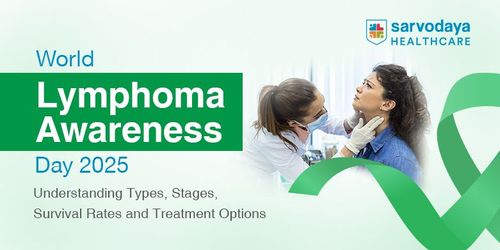
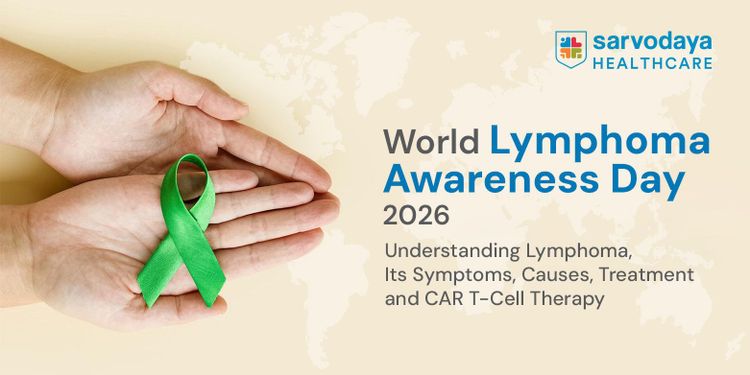
Every year, World Lymphoma Awareness Day is observed on 15 September to raise awareness about lymphoma. The day encourages people to understand the signs and symptoms of lymphoma, seek timely medical advice, support patients and caregivers, and promote access to accurate information and advanced cancer treatments.
In this blog, we will discuss World Lymphoma Awareness Day, its theme, lymphoma symptoms, potential causes, and treatment options for Lymphoma.
When is World Lymphoma Awareness Day observed?
Every year, World Lymphoma Awareness Day is observed on 15 September. This year, it will be observed on 15 September 2026.
Why is World Lymphoma Awareness Day observed?
World Lymphoma Awareness Day is observed as a reminder to raise awareness about Lymphoma - a complex group of cancers which is one of the common cancers that can affect both adults and children.
World Lymphoma Awareness Day aims to:
- Increase awareness about lymphoma and its different types
- Educate people about lymphoma symptoms and warning signs
- Encourage timely medical consultation and diagnosis
- Reduce fear and stigma surrounding blood cancer
- Improve understanding of available lymphoma treatments
- Highlight advances such as immunotherapy and CAR T-cell therapy
- Support patients, caregivers and families
- Promote conversations about emotional and psychological wellbeing
- Connect patients with reliable information and support networks
What is the Theme of World Lymphoma Awareness Day 2026?
This year, the theme for World Lymphoma Awareness Day is Navigating Lymphoma and CLL together.
CLL stands for Chronic Lymphocytic Leukaemia. It is a type of blood cancer that affects lymphocytes, a type of white blood cell. In CLL, abnormal lymphocytes build up gradually in the blood, bone marrow and lymphatic tissues.
CLL is not any other type of Lymphoma; however, CLL and small lymphocytic lymphoma (SLL) are considered different presentations of the same disease.
World Lymphoma Awareness Day 2026 theme focuses on Lymphoma, CLL, and the challenges patients and families face while navigating diagnosis, treatment choices, survivorship and life beyond cancer.
The day emphasises the importance of trusted information, support and guidance so that no patient feels alone during his difficult journey of cancer treatment.
What is Lymphoma?
Lymphoma is a type of cancer that develops in lymphocytes, a type of white blood cell that forms part of the body's immune system. These Lymphocytes are found throughout the blood and lymphatic system, including the lymph nodes, bone marrow, thymus, tonsils, lymphatic vessels, spleen and other tissues.
Lymph nodes are present in the neck (cervical), Armpits (axillary), Chest (mediastinal), Abdomen (abdominal/mesenteric), Groin (inguinal) and Pelvis (pelvic).
Lymphoma occurs when these lymphocytes (a type of white blood cell) grow uncontrollably. They can accumulate in lymph nodes or other parts of the body and can interfere with normal immune function.
What Are the Types of Lymphoma?
1. Hodgkin lymphoma
Hodgkin lymphoma is a cancer of the lymphatic system. It can occur at different ages but is particularly seen among younger adults and older adults. It commonly presents with painless swelling of lymph nodes.
2. Non-Hodgkin lymphoma
Non-Hodgkin lymphoma (NHL) includes a large group of different lymphomas. More than 60 types of non-Hodgkin lymphoma are recognised, and they can behave very differently. Some are slow-growing, while others are aggressive and may require treatment soon after diagnosis.
What are the Symptoms of Lymphoma?
Recognising the early signs of lymphoma is important for timely evaluation and treatment. However, sometimes one or two symptoms do not necessarily mean a person has lymphoma, because many common conditions can cause similar symptoms. Also note that the symptoms of lymphoma may also vary based on the type and location.
Common lymphoma symptoms include:
- Persistent or painless swollen lymph nodes (neck, armpit, groin, abdomen, etc)
- Unexplained persistent fever
- Night sweats
- Unexplained weight loss
- Persistent fatigue
- Itching or skin changes
- Breathlessness or chest symptoms
- Other possible symptoms where lymphoma develops, like abdominal discomfort, loss of appetite, infections etc.
What are the Causes and Risk factors for Lymphoma?
In many cases, the exact cause of Lymphoma is not known. There can be several reasons for the lymphocytes to grow abnormally. Certain infections, immune-system problems and other factors may increase the likelihood of developing particular types of lymphoma.
It is important to remember that having a risk factor does not mean a person will definitely develop lymphoma. However, lymphoma can also develop in people who have none of these known risk factors.
Some recognised risk factors include:
- Increasing age for certain types of non-Hodgkin lymphoma
- A weakened immune system
- HIV/AIDS
- Certain autoimmune diseases
- Some inherited immune disorders
- Previous or ongoing infections such as Epstein-Barr virus in specific lymphoma contexts
- Certain infections, including HTLV-1 and Helicobacter pylori, for particular lymphoma types
- Immunosuppressive medicines, including those used after organ transplantation
- Family history of Hodgkin lymphoma
- Previous Epstein-Barr virus infection in relation to Hodgkin lymphoma
Can Lymphoma be Prevented?
There is currently no guaranteed way to prevent lymphoma, because many cases develop without a clearly identifiable cause.
However, you can maintain a healthy lifestyle that supports overall health and potentially reduce certain risks:
- Avoid tobacco and smoking
- Maintain a healthy weight
- Eat a balanced, nutritious diet
- Exercise regularly
- Limit exposure to harmful chemicals when possible and use appropriate protective equipment
- Prevent and treat infections that can be associated with certain lymphomas
- Follow recommended vaccinations and routine healthcare
- Know your family history and discuss unusual or persistent symptoms with a doctor
- Seek medical attention for persistent swollen lymph nodes, unexplained weight loss, prolonged fever or night sweats
How is Lymphoma Diagnosed?
Diagnosing lymphoma usually requires more than a physical examination.
Depending on the suspected type, doctors may recommend:
- Medical history and physical examination
- Blood tests
- Imaging tests such as CT or PET-CT
- Lymph node assessment
- Lymph node biopsy
- Bone marrow examination in selected cases
- Immunophenotyping and other laboratory tests
- Molecular or genetic testing when required
How is Lymphoma Treated?
Lymphoma treatment depends on the type, subtype, stage, growth rate, symptoms and overall health of the patient.
Treatment options may include:
Chemotherapy
Chemotherapy uses medicines that destroy or control cancer cells. It remains an important treatment for several types of lymphoma.
Immunotherapy
Immunotherapy helps the immune system recognise and attack cancer cells. Certain antibody-based treatments are widely used for specific lymphoma subtypes.
Targeted therapy
Targeted medicines act on specific molecules or pathways involved in cancer-cell growth.
Radiation therapy
Radiotherapy uses high-energy radiation to destroy cancer cells and may be used for selected lymphoma patients.
Stem cell transplantation
Stem cell transplantation may be considered for certain patients, particularly when lymphoma returns or does not respond adequately to initial treatment.
CAR T-cell therapy
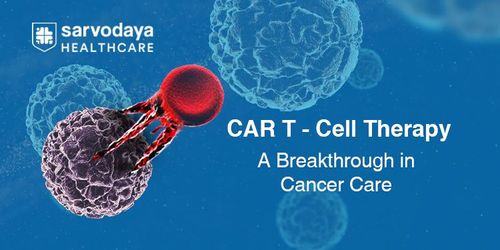
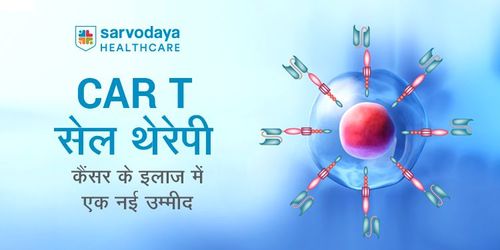
For selected patients with certain lymphomas, CAR T-cell therapy has emerged as an important advanced treatment option. It uses the patient’s own cells, which are modified to fight cancer cells.
This treatment approach is used for selected patients with certain B-cell lymphomas, in situations where lymphoma has either returned or is not responding well to other treatments.
The Role of Society in Lymphoma Awareness
Cancer awareness cannot be the responsibility of hospitals and doctors alone. Families, workplaces, schools, communities, media organisations and social platforms can all contribute.
Society can help by:
- Sharing accurate information about lymphoma
- Encouraging people to consult doctors about persistent symptoms
- Avoiding cancer-related myths and misinformation
- Supporting patients without judgement
- Helping caregivers understand the emotional burden of cancer
- Encouraging conversations about mental and emotional wellbeing
- Promoting blood-cancer screening and awareness initiatives where appropriate
- Supporting cancer survivors as they return to everyday life
- Sharing reliable resources instead of unverified treatment claims
World Lymphoma Awareness Day 2026: Awareness Can Save Lives
World Lymphoma Awareness Day 2026 is a reminder that understanding lymphoma is an important part of fighting it. Knowing the symptoms of lymphoma, lymphoma risk factors, treatment options and advances such as CAR T-cell therapy can help patients and families make informed decisions and seek appropriate medical care.
Sarvodaya Hospital houses one of North India’s leading cancer care centres with a multidisciplinary team of cancer doctors and experts from other super specialities. From cancer consultation and second opinion to chemotherapy, advanced radiation therapy, minimally invasive robotic cancer surgery, new-age nuclear therapies, CAR T-cell therapy and more, the team is highly skilled in managing and treating all kinds of cancers in people of all ages.
Early diagnosis can save lives, and so if you find any unusual sign or symptom in your body, consult with a doctor without any delay.
If you or anyone you know is looking for lymphoma treatment or wishes to know more about cancer, book your appointment with the expert cancer specialists and get timely consultation.