


Breast cancer is one of the most commonly diagnosed cancers, and surgical intervention plays a crucial role in its management. Among the available treatment options, mastectomy surgery is often recommended to remove cancerous tissue and reduce the risk of disease progression or recurrence.
In this blog, we provide a clear, patient-focused overview of mastectomy surgery, explaining when it is advised, the available surgical approaches, and what patients can expect before and after treatment.
Understanding Mastectomy Surgery
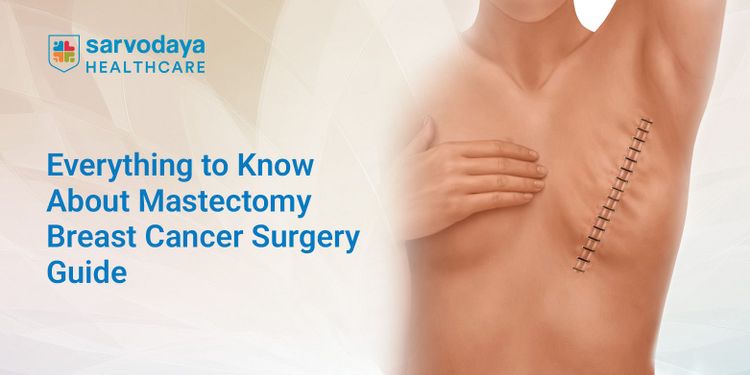
Mastectomy refers to a surgery in which part or all of the breast tissue is removed to treat or prevent breast cancer. A mastectomy operation may be advised when cancer affects a large portion of the breast, involves multiple areas, or when other treatments are unlikely to be effective. In certain high-risk individuals, breast removal surgery may also be performed as a preventive measure.
The decision to proceed with mastectomy surgery is taken after careful assessment by an experienced medical team. This team usually includes a specialised breast surgeon and a surgical oncologist, who evaluate diagnostic findings and overall health. Their priority is to ensure effective cancer control while, wherever possible, preserving physical function and quality of life.
Types of Mastectomy
Mastectomy is not a single uniform surgery, and the surgical approach is tailored to the type and extent of breast cancer, as well as individual patient factors. Understanding the types of mastectomy helps patients feel more confident about their treatment plan and the decisions made in consultation with their medical team.
The commonly performed types of mastectomy include the following:
- Simple or Total Mastectomy: Removal of the entire breast tissue without lymph node dissection
- Modified Radical Mastectomy: Removal of the breast along with nearby lymph nodes
- Radical Mastectomy: Extensive removal of breast tissue, lymph nodes and chest wall muscles
- Skin-Sparing Mastectomy: Preservation of breast skin to support reconstruction
- Nipple-Sparing Mastectomy: Preservation of the nipple and areola in selected cases
The choice among the types of mastectomy depends on tumour size, location, stage of disease and patient preference, guided by the expertise of the treating surgeon.
Read More- 6 Myths About Breast Cancer
The Mastectomy Surgery Procedure
The mastectomy surgery begins with a detailed pre-operative assessment that includes imaging studies, blood tests and consultations to ensure surgical readiness. Patients are counselled about the planned mastectomy operation, possible outcomes and post-operative care, helping to reduce anxiety and improve preparedness.
During the surgery, the affected breast tissue is carefully removed under general anaesthesia. In many cases, an oncoplastic surgeon works alongside the cancer team to optimise surgical outcomes. Where reconstruction is planned, coordination with a surgical oncologist in Delhi NCR ensures both cancer control and aesthetic restoration are addressed in a single, well-planned surgical setting.
Reconstruction After Mastectomy
Breast reconstruction may be offered after mastectomy surgery to help restore breast shape and support emotional recovery. Reconstruction can be performed at the time of the mastectomy operation or at a later stage, depending on cancer treatment requirements and patient preference. A carefully planned approach ensures that reconstruction does not interfere with cancer control.
Reconstruction is usually performed by an experienced oncoplastic surgeon in collaboration with a specialised plastic surgery team. Patients may be referred to a surgical oncologist in Noida to discuss implant-based or tissue-based options. Individualised planning helps achieve both functional and aesthetic outcomes.
Recovery and Aftercare
Recovery following a mastectomy surgery varies depending on the extent of surgery and whether reconstruction was performed. Most patients remain in the hospital for a short period for monitoring, pain control and wound care. Early mobilisation and guided physiotherapy are encouraged to support healing and prevent stiffness.
After discharge, follow-up care focuses on incision healing, arm mobility and overall well-being. The treating breast surgeon and surgical oncologist provide clear instructions on activity restrictions, medication and warning signs. Emotional support and regular reviews are essential to recovery, helping patients regain confidence and improve their quality of life.
Read More- How to Prevent Breast Cancer: 9 Tips for Reducing Your Risk
Risks and Possible Complications
Patients are closely monitored to identify and address complications early, ensuring safe recovery after the mastectomy operation.
Possible risks and complications may include the following:
- Infection at the surgical site
- Bleeding or formation of a blood clot
- Fluid collection near the incision area
- Temporary or permanent numbness in the chest or upper arm
- Restricted shoulder movement following lymph node removal
- Development of lymphoedema in some patients
Regular follow-up with the treating surgical oncologist and adherence to post-operative instructions significantly reduce the risk of long-term complications.
Life After Mastectomy
Adjusting to life after breast removal surgery involves both physical recovery and emotional adaptation. While healing takes time, most patients gradually return to regular routines with appropriate medical guidance and support.
Key aspects of long-term care after mastectomy surgery include the following:
- Attending scheduled follow-up appointments for ongoing monitoring
- Performing prescribed arm and shoulder exercises
- Maintaining a balanced diet to support healing
- Seeking emotional counselling or support groups when needed
- Monitoring for any new symptoms and reporting them promptly
Conclusion
With advances in mastectomy surgery, improved surgical techniques, and multidisciplinary care, outcomes, recovery, and quality of life for patients undergoing this important intervention have significantly improved.
Sarvodaya Hospital, Faridabad, provides comprehensive breast cancer treatment through a coordinated team of experienced specialists, including expert breast surgeons, oncologists, and reconstruction experts led by a reputable surgical oncologist in Faridabad. The hospital supports patients at every stage, from diagnosis to recovery, while also offering preventive consultations to identify risks early and guide timely treatment decisions, thereby improving long-term outcomes.
To receive personalised care and trusted medical advice, book an appointment now and take a confident step towards informed breast health management.