


Cancer is one of the most common health concerns worldwide, affecting millions of people every year. These include not only older adults but children as well. While there is not always a reason for cancer to happen, a question frequently asked by patients and their families is whether cancer can be prevented or not.
While there is no guaranteed way to completely prevent cancer, research shows that many cancers are linked to modifiable risk factors. By making healthy lifestyle choices, individuals can significantly reduce their risk of developing cancer and improve their overall well-being.
At Sarvodaya Hospital, a leading destination for cancer treatment in Faridabad, specialists emphasise the importance of cancer prevention, early cancer detection, and regular cancer screening. In this blog, let us understand the cancer risk factors and how adopting preventive measures can play a vital role in reducing the burden of cancer.
What Is Cancer Prevention?
Cancer prevention refers to actions taken to lower the chance of developing cancer. These actions may include lifestyle changes, avoiding tobacco and alcohol, maintaining a healthy weight, eating a nutritious diet, exercising regularly, getting vaccinated against certain infections, and participating in routine cancer screening programs.
Although genetics and age may influence cancer risk, many lifestyle-related factors are within our control. Following proven cancer prevention tips can help reduce the likelihood of several common cancers.
Read More- Myths and Facts About Cancer: What You Need to Know
Can Lifestyle Changes Prevent Cancer?
One of the most effective answers to the question "How to reduce cancer risk?" is through healthy lifestyle modifications. Studies suggest that nearly 30–40% of cancers may be linked to preventable factors such as smoking, obesity, poor nutrition, physical inactivity, and alcohol consumption.
Making simple but consistent lifestyle changes to prevent cancer can help protect your health and reduce the risk of developing cancer later in life.
1. Avoid Tobacco in All Forms
Tobacco is the leading cause of cancer worldwide. Smoking damages nearly every organ in the body and significantly increases the risk of multiple cancers.
Smoking and tobacco use are linked to:
- Lung cancer
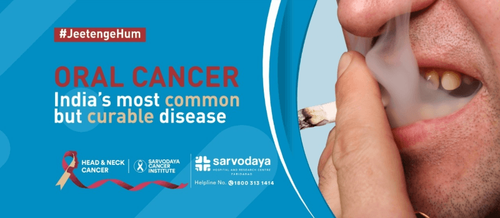
- Oral cancer
- Throat cancer
- Esophageal cancer
- Bladder cancer
- Kidney cancer
- Pancreatic cancer
In India, smokeless tobacco products such as gutka, paan masala, khaini, and chewing tobacco are major contributors to oral cancers.
Cancer Prevention Tip:
If you smoke or consume tobacco products, quitting is one of the most important steps you can take to reduce cancer risk. Avoiding second-hand smoke is equally important. You can always talk to a doctor who can guide you to effective ways to quit smoking and alternatives you can use every time you have an urge to smoke.
2. Maintain a Healthy Weight
Obesity has become a significant health concern and is associated with an increased risk of several cancers. Excess body fat can affect hormone levels, increase inflammation, and promote conditions that encourage cancer development.
Being overweight may increase the risk of:
- Breast cancer
- Colon cancer
- Endometrial cancer
- Kidney cancer
- Liver cancer
- Pancreatic cancer
How to Reduce Cancer Risk:
Maintaining a healthy weight through balanced nutrition and regular exercise is an essential part of effective cancer prevention strategies. Consult with an endocrinologist for obesity management and find measures to reduce weight.
3. Eat a Healthy Diet
A healthy diet plays a crucial role in cancer prevention. While no single food can completely prevent cancer, a nutrient-rich diet supports immune function and helps protect cells from damage.
Include More:
- Fresh fruits
- Green leafy vegetables
- Whole grains
- Lentils and legumes
- Nuts and seeds
- Lean protein sources
Limit:
- Processed meats
- Excess red meat
- Sugary drinks
- Highly processed foods
- Deep-fried foods
Foods rich in antioxidants, vitamins, minerals, and fibre may help reduce inflammation and lower cancer risk.
4. Stay Physically Active
Regular physical activity is one of the most effective lifestyle changes to prevent cancer. Exercise helps regulate hormones, strengthen the immune system, reduce inflammation, and maintain a healthy body weight.
Research shows that regular exercise may lower the risk of:
- Breast cancer
- Colon cancer
- Endometrial cancer
Recommended Activity:
Adults should aim for at least 150 minutes of moderate exercise per week, or 75 minutes of vigorous activity weekly. Walking, jogging, cycling, swimming, yoga, and strength training can all contribute to better health and reduced cancer risk.
5. Limit Alcohol Consumption
Alcohol consumption has been linked to an increased risk of several cancers, including:
- Liver cancer
- Breast cancer
- Colorectal cancer
- Mouth cancer
- Throat cancer
- Esophageal cancer
The risk increases with the quantity and frequency of alcohol intake.
Cancer Prevention Tip:
Limiting or avoiding alcohol is an important step in reducing cancer risk and improving overall health.
6. Protect Yourself from Harmful Sun Exposure
Excessive exposure to ultraviolet (UV) radiation can increase the risk of skin cancer. Although skin cancer is less common in India than in some Western countries, prolonged sun exposure still poses risks.
Protect Your Skin By:
- Using sunscreen regularly
- Wearing protective clothing
- Avoiding prolonged exposure during peak sunlight hours
- Wearing sunglasses and hats outdoors
7. Get Vaccinated
Certain infections and viruses are known to increase the risk of cancer. Vaccination can help protect against them and lower cancer risk. Vaccination remains one of the most successful and evidence-based cancer prevention strategies available today. Some of these include
- HPV Vaccine: The Human Papillomavirus (HPV) vaccine helps prevent infections associated with Cervical Cancer, Anal Cancer, Throat Cancer.
- Hepatitis B Vaccine: Chronic Hepatitis B infection can increase the risk of liver cancer. Vaccination provides long-term protection.
8. Reduce Exposure to Environmental Carcinogens
Environmental pollutants and harmful chemicals can contribute to cancer development.
Common carcinogens include:
- Air pollution
- Industrial chemicals
- Asbestos
- Certain pesticides
- Radiation exposure
How to Reduce Exposure:
- Follow workplace safety measures
- Use protective equipment when required
- Minimise contact with hazardous chemicals
- Maintain proper ventilation at home and work
Reducing exposure to known carcinogens is an important aspect of reducing cancer risk.
9. Prioritise Regular Cancer Screening
One of the most important aspects of early cancer detection is routine cancer screening. Cancer screening can identify abnormalities before symptoms appear, allowing for timely treatment and better outcomes. Most cancers can be treated if detected in early stages.
Common Cancer Screening Tests:
- Mammography for breast cancer
- Pap smear for cervical cancer
- Colonoscopy for colorectal cancer
- Oral cancer screening
- Prostate cancer screening
- Low-dose CT scan for high-risk smokers
Regular cancer screening in Faridabad, Delhi NCR, and Noida can help detect cancer at an early stage when treatment is often most effective.
10. Manage Stress and Prioritise Sleep
Although stress itself does not directly cause cancer, chronic stress can affect overall health and lead to unhealthy lifestyle habits.
Healthy ways to support your well-being include:
- Getting 7–9 hours of sleep daily
- Practising meditation and mindfulness
- Staying socially connected
- Seeking professional support when needed
Why Early Cancer Detection Matters?
Many cancers are highly treatable when detected early. Unfortunately, symptoms may not appear until the disease has progressed.
This is why early cancer detection and routine cancer screening are so important. Individuals with a family history of cancer, tobacco use, obesity, or other risk factors should speak with a healthcare provider about appropriate screening schedules.
Conclusion
While cancer cannot always be prevented completely, adopting healthy habits can significantly lower your risk. Avoiding tobacco, maintaining a healthy weight, eating a balanced diet, staying physically active, limiting alcohol, getting vaccinated, and participating in routine cancer screening are among the most effective cancer prevention strategies.
Sarvodaya Cancer Institute is recognised as one of the most trusted centres for cancer treatment in North India, serving patients across Faridabad, Delhi NCR, Noida and even international patients
Patients seeking a cancer specialist in Delhi NCR, Noida, Mathura and other neighbouring cities can consult with expert cancer doctors here and get timely solutions. As a leading oncology hospital in Delhi NCR and one of the preferred destinations for cancer screening in Faridabad, Sarvodaya Hospital focuses on prevention, early diagnosis, second opinion and advanced treatment to improve patient outcomes.
If you are looking for guidance on how to reduce cancer risk, seeking preventive consultations, or searching for expert cancer treatment, call 9654511414 and book an appointment with the experts.