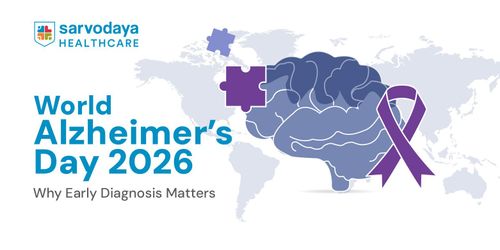



For many years, dementia and Alzheimer's disease were viewed as conditions that could only be recognised after significant memory loss had already occurred. Today, that understanding is changing. Advances in research are helping doctors identify these conditions earlier than ever before, reinforcing an important message: recognising the warning signs early can make a meaningful difference.
Despite growing awareness, many early symptoms are still dismissed as a normal part of ageing. A parent repeating the same question, a spouse struggling with familiar tasks, or subtle changes in behaviour and judgement are often overlooked until they begin to interfere with daily life. As a result, many individuals do not seek medical evaluation until symptoms begin to interfere with their independence and quality of life.
Understanding the difference between ordinary forgetfulness and the early signs of dementia is, therefore, crucial. To help individuals and families recognise the signs early and make informed decisions, in this article, we’ll explain the symptoms, causes, risk factors, diagnosis, treatment options, and practical aspects of living with and caring for someone with dementia or Alzheimer's disease.
What are Dementia and Alzheimer's Disease?
The terms dementia and Alzheimer's disease are often used interchangeably, but they are not the same thing.
Dementia
Dementia is not a specific disease. Rather, it is an umbrella term used to describe a group of symptoms that affect memory, thinking, behaviour, communication, and the ability to perform everyday activities. These symptoms occur when brain cells become damaged and are no longer able to communicate effectively with one another.
Alzheimer's Disease
Alzheimer's disease is the most common cause of dementia, accounting for the majority of cases worldwide. In Alzheimer's disease, abnormal proteins gradually build up in the brain, disrupting communication between nerve cells and eventually causing them to die. Over time, these changes affect memory, language, reasoning, and behaviour. Importantly, the disease process often begins years before noticeable symptoms appear.
While Alzheimer's disease is the leading cause of dementia, it is not the only one. Other types include vascular dementia, which results from reduced blood flow to the brain, Lewy body dementia, and frontotemporal dementia. Each type affects different areas of the brain and can present with distinct symptoms, but all can lead to a gradual decline in cognitive function and daily independence.
Understanding the difference between dementia and Alzheimer's disease is important because not every memory problem is a sign of dementia, and not all dementia is caused by Alzheimer's disease.
What are the Early Signs of Dementia and Alzheimer's Disease?
Occasional forgetfulness is a normal part of ageing. However, dementia and Alzheimer's disease involve a progressive decline in memory, thinking, behaviour, and daily functioning that goes beyond typical age-related changes. The difference is not just forgetting something from time to time, but a pattern of symptoms that gradually begins to affect independence, communication, and the ability to carry out familiar tasks.
The early signs can vary from person to person, but some of the most common symptoms include:
Memory Loss that Affects Daily Life
One of the earliest and most common signs of Alzheimer's disease is memory loss that interferes with everyday activities. This may include forgetting recently learned information, important dates or appointments, asking the same questions repeatedly, or relying increasingly on notes and family members to remember things. A common feature of early Alzheimer's disease is that recent memories are often affected first, while memories from many years earlier remain relatively intact.
Difficulty Planning or Solving Problems
Tasks that once felt routine may become increasingly challenging. Managing finances, following a familiar recipe, keeping track of bills, or planning daily activities may require more effort than before. While everyone makes occasional mistakes, dementia-related changes tend to be persistent and gradually worsen over time.
Confusion About Time and Place
People in the early stages of dementia may lose track of dates, seasons, or the passage of time. They may forget how they arrived somewhere, become confused about where they are, or struggle to recall recent events. In some cases, they may briefly feel disoriented even in familiar surroundings.
Frequently Misplacing Things
Misplacing keys, glasses, or a mobile phone occasionally is normal. In dementia, objects are often placed in unusual locations, and the person may be unable to retrace their steps to find them. For example, household items may be stored in inappropriate places, and the individual may become suspicious that someone has moved or taken them.
Difficulty Finding the Right Words
People with early Alzheimer's disease may struggle to find familiar words during conversations. They may pause frequently, repeat themselves, substitute vague words such as "that thing," or find it difficult to follow discussions that were previously easy for them.
These communication difficulties can also affect reading, writing, and social interactions over time.
How Does Memory Loss Start in Alzheimer's Disease?
Memory loss associated with Alzheimer's disease usually develops gradually. In the early stages, the changes can be subtle and are often mistaken for normal forgetfulness or the effects of ageing.
Unlike occasional memory lapses, Alzheimer's-related memory problems tend to follow a recognisable pattern and become more noticeable over time. Some of the most common early changes include:
Repeating Questions or Stories
As Alzheimer's disease affects the brain's ability to form and store new memories, repetition becomes increasingly common. A person may ask the same question several times within a short period, retell a story they have just shared, or repeat an activity without realising it has already been completed.
Importantly, this is not intentional. The brain is struggling to retain new information, which means the individual may genuinely not remember that the conversation or activity has already taken place.
Difficulty Remembering Recent Conversations
Family members are often among the first to notice these changes. A discussion about an upcoming appointment, family event, or daily plan may seem completely normal at the time, yet the person may have little or no memory of it later the same day.
A Gradual but Progressive Change
Unlike memory problems caused by a stroke, head injury, or certain medical conditions, Alzheimer's-related memory loss typically develops slowly over months or years. The changes may seem minor at first, but they gradually become more noticeable and begin to affect everyday life.
This gradual progression is one reason Alzheimer's disease is often diagnosed later than it could be. Recognising these early patterns and seeking medical evaluation can help individuals and families access support, treatment, and care planning sooner.
What Cognitive Changes Should You Watch For?
While memory loss is often the most recognised symptom of dementia, changes in thinking, judgement, attention, and problem-solving abilities can also appear early in the disease. In some cases, these changes may become noticeable even before significant memory problems develop.
Because these symptoms often emerge gradually, they can be mistaken for stress, ageing, or simple absent-mindedness. However, persistent changes in the way a person thinks, makes decisions, or processes information may signal an underlying cognitive disorder. Some of the key signs to watch for include:
Difficulty Making Decisions
Tasks that once seemed straightforward may become increasingly challenging. Choosing what to wear, planning daily activities, managing appointments, or making routine purchases may feel overwhelming. Some people become unusually indecisive or rely more heavily on others to make decisions on their behalf.
Poor Judgement
Changes in judgement can be an early warning sign of dementia. A person may make financial decisions that seem out of character, become more vulnerable to scams, neglect personal hygiene, or take unnecessary risks related to health and safety.
Difficulty Concentrating
Maintaining focus during conversations, reading, watching television, or completing everyday tasks may become more difficult. The person may lose track of what they were doing, struggle to follow instructions, or find it challenging to complete tasks that require multiple steps.
Slower Thinking and Problem-Solving
People with early dementia may take longer to process information or respond during conversations. They may struggle to keep up with discussions, solve problems, or adapt to new situations as easily as they once could.
These changes often develop gradually and may be mistaken for normal ageing or stress. However, when they become persistent or begin to interfere with daily life, they should be evaluated by a healthcare professional.
What Behavioural and Mood Changes Indicate Dementia?
Dementia affects more than memory. Changes in mood, behaviour, and personality are often among the earliest signs noticed by family members. Because these changes can develop gradually, they are sometimes mistaken for stress, depression, ageing, or personality changes.
In many cases, these behavioural shifts appear before memory problems become obvious. Recognising them early can help families seek timely medical advice and avoid dismissing important warning signs. Some of the most common changes include:
Anxiety and Irritability
A person who was previously calm and patient may become more anxious, easily frustrated, or prone to anger. Everyday situations that were once manageable may feel confusing or overwhelming, leading to noticeable changes in behaviour.
Depression or Social Withdrawal
People in the early stages of dementia may lose interest in social activities, hobbies, or family gatherings they once enjoyed. They may spend more time alone, avoid conversations, or appear emotionally withdrawn. While depression can cause similar symptoms, social withdrawal can also be an early sign of dementia and should not be ignored.
Mood Swings
Unexplained changes in mood can occur as dementia progresses. A person may become upset over minor issues, laugh or cry unexpectedly, or shift quickly from being calm to agitated. These emotional changes can be confusing for both the individual and their loved ones.
Loss of Interest in Favourite Activities
A noticeable decline in enthusiasm for hobbies and interests is another common warning sign. Someone who once enjoyed gardening, reading, cooking, playing cards, or following sports may gradually stop participating in these activities. This often reflects changes in the brain rather than a simple loss of motivation.
Because behavioural and mood changes can have many causes, including depression, anxiety, and other medical conditions, it is important to seek medical evaluation when these changes are persistent, progressive, or accompanied by memory and thinking difficulties.
What Causes Dementia and Alzheimer's Disease?
Dementia and Alzheimer's disease develop when brain cells become damaged and gradually lose their ability to communicate with one another. As more brain cells are affected over time, memory, thinking, behaviour, and the ability to carry out everyday activities begin to decline.
The exact cause varies depending on the type of dementia. However, several biological changes and risk factors are known to contribute to the development of dementia and Alzheimer's disease. These include:
Damage to Brain Cells
All forms of dementia involve damage to nerve cells in the brain. In the early stages, the brain can often compensate for these changes, which is why symptoms may not be noticeable at first. However, as more cells are damaged and connections are lost, cognitive problems become increasingly apparent.
Abnormal Protein Build-Up in Alzheimer's Disease
In Alzheimer's disease, abnormal proteins build up in the brain and interfere with communication between nerve cells. Over time, these changes lead to the loss of brain cells involved in memory, learning, reasoning, and behaviour. Research suggests that these changes may begin years before symptoms become noticeable.
Ageing
Age is the strongest known risk factor for dementia. While dementia is not a normal part of ageing, the likelihood of developing the condition increases significantly with age, particularly after the age of 65.
Genetics and Family History
Certain genetic factors can increase the risk of developing Alzheimer's disease, particularly when there is a family history of the condition. However, having a genetic predisposition does not mean a person will definitely develop dementia, just as many people diagnosed with dementia have no known family history.
Lifestyle and Health Factors
A growing body of research shows that several lifestyle and health-related factors can influence dementia risk. These include:
- Physical inactivity
- Smoking
- Poor sleep habits
- Social isolation
- Uncontrolled diabetes
- High blood pressure
- High cholesterol
- Obesity
- Hearing loss
Managing these risk factors and maintaining overall brain and cardiovascular health may help reduce the risk of cognitive decline later in life.
Who is at Higher Risk of Developing Dementia?
While dementia can affect anyone, certain factors are known to increase the risk of developing Alzheimer's disease and other forms of dementia. Some of these risk factors, such as age and genetics, cannot be changed. Others, including lifestyle habits and underlying health conditions, can often be managed to help support long-term brain health.
People who may be at a higher risk include:
Older Adults
Age is the most significant risk factor for dementia. Although early-onset dementia can occur in people in their 40s and 50s, the majority of cases are diagnosed after the age of 65. The risk continues to increase as people grow older.
People with a Family History of Dementia
Having a parent, sibling, or other close relative with Alzheimer's disease or another form of dementia may increase the likelihood of developing the condition. While genetics can play a role, a family history does not guarantee that dementia will occur.
Individuals with Heart and Blood Vessel Conditions
Brain health and heart health are closely connected. Conditions that affect blood flow and circulation, such as coronary artery disease, stroke, and atrial fibrillation, can increase the risk of cognitive decline and certain types of dementia.
People with Diabetes or High Blood Pressure
Long-term conditions such as diabetes and hypertension can damage blood vessels throughout the body, including those that supply the brain. Poorly controlled blood sugar and blood pressure have been associated with an increased risk of dementia later in life.
Individuals with Lifestyle-Related Risk Factors
Certain lifestyle habits may also contribute to dementia risk, including:
- Physical inactivity
- Smoking
- Obesity
- Excessive alcohol consumption
- Poor sleep habits
- Social isolation
Maintaining an active lifestyle, managing chronic health conditions, and staying socially and mentally engaged may help support long-term brain health and reduce the risk of cognitive decline.
When Should You Consult a Doctor for Memory Problems?
Occasional forgetfulness is common, especially with ageing, stress, lack of sleep, or a busy lifestyle. But if memory problems become frequent, worsen over time or begin to interfere with daily life, they should not be ignored.
It is advisable to consult a neurologist if you notice any of the following signs:
- Forgetting things, changing your plans for the day, or impacting your relationships
- Repeating the same questions and having the same conversations over and over again in a short period of time
- Trouble identifying people, routes or places you know
- Difficulty with finances, medications, appointments or household tasks that were previously managed independently
- Lost in familiar places
- Behaviour, personality, judgement or decision-making changes that seem odd to the individual
- More trouble finding words or following a conversation or remembering how to do familiar tasks
Early evaluation is important because memory problems are not always caused by dementia. Conditions such as vitamin deficiencies, thyroid disorders, depression, sleep disorders, medication side effects, and other neurological conditions can produce similar symptoms and may be treatable.
When dementia or Alzheimer's disease is diagnosed early, individuals and families have more time to access treatment, plan for future care, adopt supportive lifestyle measures, and make informed decisions about long-term health and wellbeing.
How Sarvodaya Hospital Diagnoses Dementia and Alzheimer's Disease
Diagnosing dementia and Alzheimer's disease involves more than a single test. Because memory loss and cognitive changes can have many possible causes, an accurate diagnosis requires a comprehensive evaluation of symptoms, medical history, cognitive function, and overall health.
At Sarvodaya Hospital, the neurology team follows a structured approach to identify the underlying cause of memory and thinking difficulties and develop an appropriate management plan. We offer:
Clinical Neurological Assessment
The evaluation begins with a detailed consultation, during which the neurologist assesses memory, thinking ability, language, orientation, behaviour, and daily functioning. Information from family members or caregivers is often helpful, as they may have noticed subtle changes over time.
Neuropsychological Testing
Standardised cognitive assessments, such as the Mini-Mental State Examination (MMSE) and Montreal Cognitive Assessment (MoCA), help evaluate memory, attention, language, problem-solving, and other cognitive functions. These tests can identify patterns that may suggest dementia or Alzheimer's disease.
Advanced Brain Imaging
MRI and CT scans may be recommended to look for structural changes in the brain and to identify conditions such as stroke, vascular disease, brain atrophy, or other abnormalities that can affect cognitive function.
Blood Tests
Certain medical conditions can cause symptoms similar to dementia. Blood tests help identify potentially reversible causes of memory problems, including vitamin deficiencies, thyroid disorders, infections, and metabolic abnormalities.
Assessment of Overall Health and Risk Factors
Because brain health is closely linked to overall health, doctors may also evaluate factors such as blood pressure, diabetes, cholesterol levels, and cardiovascular health, all of which can influence cognitive function and dementia risk.
Personalised Care Plan
Once the evaluation is complete, the neurology team develops an individualised care plan that may include medication, lifestyle recommendations, cognitive support strategies, rehabilitation services, and caregiver guidance where appropriate.
Early diagnosis can help individuals and families better understand the condition, access available treatment and support services, and make informed decisions about future care.
How Can You Support a Person with Dementia?
Supporting a person with dementia can be challenging, but small adjustments in daily routines, communication, and the home environment can make a meaningful difference. While the condition affects memory and thinking, maintaining dignity, comfort, and a sense of familiarity remains just as important as medical care.
Maintain a Consistent Routine
People with dementia often feel more comfortable when daily activities follow a predictable pattern. Regular mealtimes, sleep schedules, medication timings, and familiar routines can help reduce confusion and anxiety.
Communicate with Patience
Conversations may take longer as dementia progresses. Speak clearly, use simple language, and allow extra time for responses. Rather than correcting every mistake or arguing about forgotten details, focus on reassurance and understanding.
Make the Home Environment Safer
Simple changes around the home can help reduce confusion and improve safety. Consider:
- Keeping frequently used items in the same place
- Labelling drawers, cupboards, and rooms
- Improving lighting in walkways and living spaces
- Removing loose rugs and other trip hazards
Attend Medical Appointments Together
Family members and caregivers often notice changes that the individual may not recognise or remember. Accompanying a loved one to medical appointments can help provide valuable information to the healthcare team and ensure treatment recommendations are understood.
Support the Caregiver Too
Caring for someone with dementia can be physically and emotionally demanding. Seeking help from family members, support groups, counsellors, or respite care services can help prevent caregiver burnout and improve long-term wellbeing.
Encourage Social and Mental Engagement
Staying socially connected and mentally active can help improve quality of life. Simple activities such as conversations, listening to music, light exercise, puzzles, family visits, or participating in familiar hobbies can provide comfort, enjoyment, and meaningful engagement.
While dementia presents many challenges, compassionate support, structured care, and timely medical guidance can help individuals maintain their independence and quality of life for as long as possible.
Conclusion
Dementia and Alzheimer's disease are complex conditions, but early recognition can make a significant difference. Understanding the warning signs and seeking timely medical evaluation can help ensure an accurate diagnosis, appropriate treatment, and access to the support needed for patients and caregivers alike.
If you or a loved one is experiencing memory problems, changes in thinking, or unusual behavioural changes, do not ignore them. The neurology team at Sarvodaya Hospital provides comprehensive evaluation, advanced diagnostics, and personalised care for individuals with cognitive and memory concerns.
To book a neurology consultation at Sarvodaya Hospital, simply call 9654511414 or book-an-appointment online.