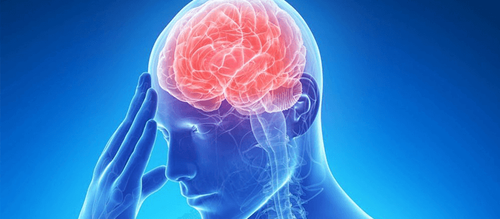



Many people suffer from cluster headaches, which are painful neurological disorders that can cause significant disruptions to their everyday lives. Cluster headache attacks are also known for being among the most severe forms of head pain.
In this blog, we examine this illness, discussing the specific symptoms of cluster headaches and the best ways to treat them.
Understanding the Condition
Cluster headaches are strong, unilateral headaches that happen in clusters or groups. For weeks or months, patients may have daily attacks of cluster headaches, often many times a day. After that, there is a remission period during which the cluster headaches totally go away. Cluster headache pain is quite severe and needs to be treated right away.
A trusted neurologist in Greater Noida should be consulted to get an accurate diagnosis because of the severe nature of a cluster headache attack. The unrelenting cycle of cluster headaches can negatively affect a person's mental and physical health if they are not properly treated.
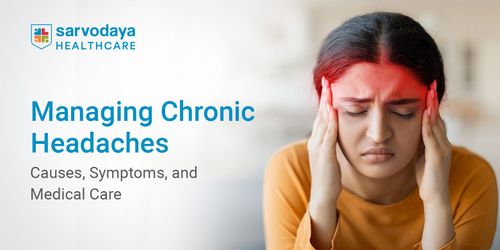
Read More- Managing Chronic Headaches: Causes, Symptoms, and Medical Care
Recognising the Symptoms
These symptoms differ from other kinds of headaches in their intensity and presentation. People typically describe a highly distinct pattern of cluster headache pain that requires an immediate medical examination.
The most typical cluster headache symptoms to keep an eye on are listed below:
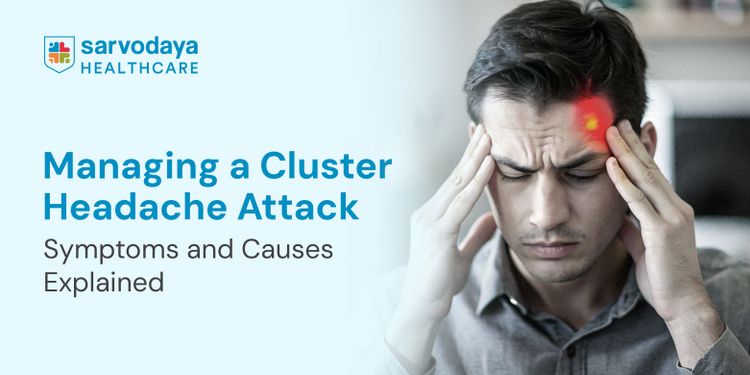
- Severe Unilateral Pain: Severe pain on one side of the head, generally behind or around the eye, is a sign of a cluster headache attack.
- Autonomic Symptoms: During a cluster headache, the afflicted side may exhibit redness in the eye, heavy crying, or a drooping eyelid.
- Nasal Congestion: Many people report having a runny or plugged nose on the same side as their cluster headache.
- Agitation and Restlessness: Patients with cluster headaches frequently pace the room because of the excruciating intensity of the attack, in contrast to those with migraines who prefer to lie quietly.
- Sudden Onset: The symptoms of cluster headaches usually worsen quickly, peaking in intensity in a matter of minutes; prompt treatment is crucial.
If you frequently experience these signs, visiting an experienced neurologist in Faridabad can provide much-needed clarity and support.
Common Causes and Trigger
Researchers have identified several biological and environmental factors, while the precise medical origins remain under investigation.
The main causes and triggers of cluster headaches are as follows:
- Hypothalamus Irregularities: The body's biological clock is impacted by abnormalities in the brain's hypothalamus, which are thought to be one of the primary causes of cluster headaches.
- Genetic Factors: You may be more susceptible to cluster headaches if you have a family history of the illness.
- Alcohol Consumption: One known factor that can cause a cluster headache attack right away is drinking alcohol during a cluster phase.
- Strong Odours: Paint and perfume are examples of strong odours that can stimulate the nerve system and cause abrupt cluster headache
- Changes in Sleep Patterns: Sleep pattern disruptions might trigger these headaches.
Visiting a reputable neurologist in Noida can help you find the cluster headache causes and plan its treatment.
Read More- Constant and Frequent Headaches: Knowing When to Seek Expert Help
Diagnosing the Condition
To diagnose cluster headaches, doctors mostly rely on a thorough medical history and the characteristic pattern of a cluster headache attack.
To properly diagnose your condition, a renowned specialist will usually do the following tests when you see them:
- Neurological Examination: To assess your brain health and confirm the particular symptoms of cluster headaches, a specialist will test your reflexes, senses, and nerve activity.
- Detailed Medical History: To differentiate cluster headaches from migraines or tension headaches, your doctor will ask you to detail the exact nature, location, and frequency of your headache discomfort.
- Magnetic Resonance Imaging (MRI): A high-resolution MRI scan helps physicians rule out structural anomalies like tumours that may be cluster headache causes by providing precise images of the brain and blood arteries.
- Computerised Tomography (CT) Scan: Before making a final diagnosis of a cluster headache, a CT scan provides an additional degree of assurance by taking cross-sectional images of your brain.
Effective Treatment Options
A comprehensive approach to treating cluster headaches that combines acute therapies with preventive care is necessary to properly manage this illness.
Some approaches used by specialists as part of a comprehensive strategy for treating cluster headaches are:
- Oxygen Therapy: Using a mask to breathe pure oxygen is an effective way to stop a cluster headache attack.
- Triptan Medications: Injectable or nasal triptans are frequently administered to relieve the symptoms of cluster headaches.
- Preventive Medications: As part of a long-term cluster headache treatment plan, physicians may recommend corticosteroids or calcium channel blockers to break a cycle of cluster headaches.
- Local Anaesthetics: Giving nerve blocks or local anaesthetics helps lessen the symptoms of cluster headaches by momentarily numbing the pain pathways.
- Lifestyle Modifications: Preventing a cluster headache attack depends on avoiding identified triggers and sticking to a timely sleep schedule.
Read More- When is it not normal to have a Headache?
Conclusion
Living with the crippling consequences can be challenging, but the right medical intervention offers significant hope. A personalised treatment can help reduce the frequency and intensity of cluster headache pain, thus restoring comfort and a sense of normality to everyday life.
At Sarvodaya Hospital, Faridabad, patients receive compassionate, all-encompassing care for advanced cluster headache treatment. Known for being the top neurology hospital in Delhi NCR, it is equipped with cutting-edge diagnostic equipment to identify the underlying cause of your illness. Patients can also receive customised care plans here with the help of the best neurologists in Delhi NCR.
To start your journey toward effective, long-lasting treatment, book an appointment and contact our medical experts.