


A woman’s body undergoes quite a lot of changes throughout her life. From menstruation to hormonal changes, pregnancy, postpartum changes and many more, these changes occur in different stages of her life.
Menopause is one such natural stage in every woman's life, marking the end of her reproductive years; in simple words, when she stops menstruating. While it is a completely normal biological process, the physical, emotional, and hormonal changes associated with menopause can significantly impact daily life.
Some women experience only mild symptoms, while others may struggle with hot flashes, mood changes, sleep disturbances, weight gain, and other health concerns. It is hence imperative for her and her family to understand menopause in detail so she can easily transit in this phase and manage all the symptoms on time, without causing any major challenges and affecting the quality of life.
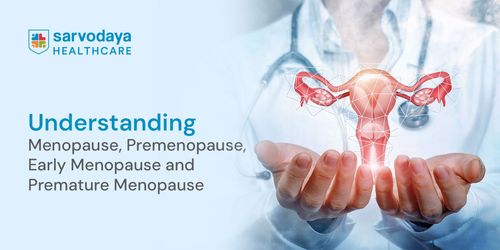
In this blog, we'll discuss everything you need to know about menopause, including its causes, age, stages, symptoms, treatment, and frequently asked questions about menopause.
What is Menopause?
Menopause is the stage in a woman’s life when she goes around 12 months without a menstrual period without any significant medical condition.
During menopause, the ovaries gradually stop producing the reproductive hormones, estrogen and progesterone, which regulate the menstrual cycle and fertility.
Although menopause marks the end of pregnancy potential through natural conception, it does not mean the end of a healthy, active, or fulfilling life.
Sometimes menopause also happens due to surgery or some underlying medical condition and treatment; it is called induced menopause.
At What Age Does Menopause Occur?
Most women experience menopause between the ages of 45 and 55 years. However, the average age for menopause is around 52 years.
The average age of menopause is around 51 years.
However, menopause can occur earlier or later depending on genetics, medical conditions, lifestyle, or certain treatments.
What Causes Menopause?
Menopause occurs due to the natural depletion of ovarian follicles.
As women age:
- Fewer eggs remain in the ovaries.
- Estrogen production declines.
- Progesterone levels decrease.
- Ovulation stops.
- Menstrual periods end permanently.
Certain factors can cause menopause earlier than expected, including smoking, cancer treatments, ovarian surgery, and some autoimmune conditions.
Three Stages of Menopause
Menopause is the permanent end of menstrual periods. It does not happen overnight, rather gradually in different stages.
The First Stage: Perimenopause
Perimenopause usually starts in 40s, 8-10 years before menopause. It is the time when ovaries gradually produce less estrogen. A woman can be in perimenopause for several months or years and start experiencing certain signs and symptoms of menopause.
Common symptoms during Perimenopause include:
- Irregular periods
- Hot flashes
- Mood swings
- Sleep problems
- Vaginal dryness
Second Stage: Menopause
Menopause is confirmed after 12 months without a menstrual period. At this stage, the ovaries stop releasing eggs, and estrogen levels become consistently low. Symptoms are often at their peak during this time.
Third Stage: Postmenopause
This stage begins after menopause and continues for the rest of life.
Many menopause symptoms gradually improve during this stage; you can experience mild symptoms for several years.
The low estrogen levels during this phase can increase the risk of Osteoporosis, Heart disease, Urinary problems, Vaginal dryness and more. It is important to go for regular health checkups by an experienced women's health expert during this phase.
Early and Premature Menopause
Naturally, menopause occurs between the ages of 45 and 55. But sometimes menopause can occur before the age of 45. It is called Early Menopause. And when menopause occurs at 40 or at younger ages, it is considered premature menopause. If you experience symptoms of menopause at a younger age or notice irregular menstrual cycles, get a checkup done by an experienced gynaecologist for timely treatment and management.
Signs and Symptoms of Menopause
Symptoms of menopause begin from the stage of perimenopause and vary from one woman to another. Some may have very few symptoms, while others experience multiple physical and emotional changes. Some women may have symptoms for up to 10 years before menopause officially occurs. Sometimes, these symptoms also ease up or disappear once women reach postmenopause.
The common symptoms of menopause include:
- Irregular Menstrual Cycles: It is often the first sign of menopause. When periods become heavier, lighter, more frequent, less frequent, longer or shorter. Eventually, after a while, they stop completely. After 12 months of no recorded menstrual period, menopause is confirmed.
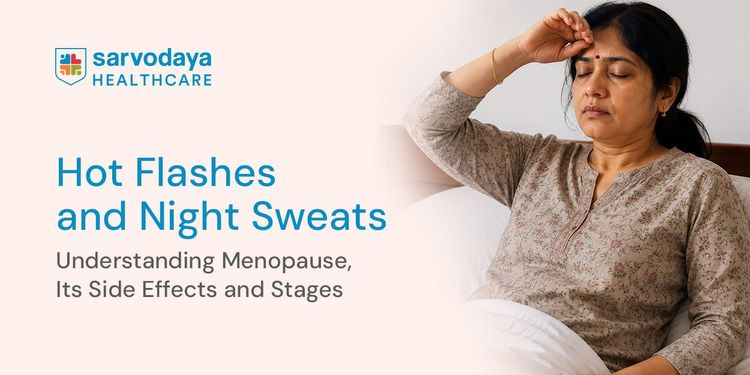
- Hot Flashes: One of the most common symptoms of menopause. Women may suddenly start experiencing intense heat, sweating, facial flushing, and rapid heartbeat. These episodes usually last from a few seconds to several minutes.
- Night Sweats: Hot flashes can occur during sleep and cause sleep interruption, excessive sweating, difficulty concentrating or fatigue.
- Sleep Problems: Sleep disturbances, insomnia, poor sleep quality or early morning awakening can also cause mood changes and fatigue in many women before reaching menopause.
- Mood Changes: Due to hormonal fluctuations, women can feel irritated, anxious, sad, stressed, depressed and experience other mood swings.
- Vaginal Dryness: Less estrogen production can cause thinning and dryness of vaginal tissues, causing dryness, itching, burning and pain.
- Reduced Libido: Many women may notice changes in sexual desire due to hormonal changes, fatigue, vaginal discomfort, and emotional factors.
- Weight Gain: Metabolism naturally slows with age. And this, combined with hormonal changes, can cause increased abdominal pain, difficulty losing weight and reduced muscle mass in some women.
- Memory and Concentration Problems: During this phase, some women temporarily experience forgetfulness, brain fog, difficulty focusing, and reduced mental clarity.
- Hair and Skin Changes: Some women may notice dry skin, hair thinning, reduced skin elasticity and brittle nails. If it becomes severe, consult a dermatologist or a women's health expert.
Side Effects and Long-Term Health Risks of Menopause
Although menopause itself is not a disease, reduced estrogen increases the risk of several health conditions.
- Osteoporosis
- Cardiovascular Disease
- Urinary Problems
- Emotional Well-being
How Is Menopause Diagnosed?
For women over 45 with typical symptoms, menopause is usually diagnosed based on medical history, menstrual history and other symptoms. If you experience any changes in your usual symptoms, or don’t get a menstrual period for over 12 months, consult with your gynaecologist for proper medical evaluation and diagnosis.
Treatment for Menopause
Menopause is a natural process and may not require treatment in most cases. Treatment is basically done to treat the symptoms that disrupt your life. It also depends on age and severity of symptoms.
The common treatments for managing symptoms of menopause include:
- Hormone Replacement Therapy (HRT)
- Non-Hormonal Medications
- Hormone Therapy
- Lifestyle Modifications
Foods That May Help During Menopause
A nutritious diet supports overall health and may ease some symptoms. Some of the best food options for menopause include:
- Dairy products for calcium
- Leafy green vegetables
- Soy foods such as tofu and soybeans
- Whole grains
- Nuts and seeds
- Fruits
- Fatty fish rich in omega-3 fatty acids (for non-vegetarians)
- Protein-rich foods to help preserve muscle mass
Staying well hydrated can also help reduce fatigue and improve overall well-being.
When Should You See a Doctor for Menopause?
Consult a gynaecologist for menopause if you experience:
- Menopause before age 40
- Heavy or prolonged bleeding
- Bleeding after menopause
- Severe hot flashes affecting daily life
- Persistent depression or anxiety
- Pain during intercourse
- Frequent urinary infections
- Sudden weight loss or unexplained symptoms
Role of Family in Supporting Women During Menopause
Menopause can bring significant physical, emotional, and hormonal changes, making family support essential during this phase. Understanding, patience, and open communication from spouses, children, and loved ones can help reduce stress, improve emotional well-being, and make women feel valued and cared for.
Simple gestures such as listening without judgment, sharing household responsibilities, encouraging healthy lifestyle habits, and supporting medical care can make a meaningful difference.
Living Well After Menopause
Menopause is a natural phase of life. It only marks a new chapter rather than the end of good health. Many women continue to lead active, productive, and fulfilling lives after menopause. Understanding menopause, regular health checkups and consulting an experienced gynaecologist can help manage the symptoms without them disrupting the quality of life.
Sarvodaya Hospital brings highly experinced women health experts for menopause guidance, where women are offered counselling, guidance and treatment for effective management of symptoms.
Regular exercise, preventive health screenings, balanced nutrition, adequate sleep, stress management, and routine consultations with a gynaecologist can help women stay healthy and confident during this transition.
With the right support and medical care, menopause can be managed effectively, allowing women to enjoy a high-quality of life for years to come.