

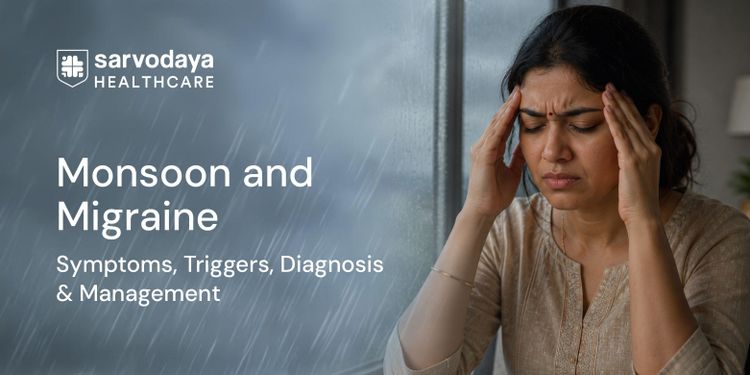


Monsoon brings joy to many people. The cooler temperatures, lush greenery, and relief from the summer heat is what everyone enjoys after sweltering summer heat. However, along with them, monsoon brings diseases, infections, viral as well.
And for individuals living with migraine, the rainy season can act as a trigger, meaning frequent headaches, increased discomfort, and disrupted daily life.
Changes in humidity, barometric pressure, temperature, and lifestyle habits during the monsoon can trigger migraine attacks or worsen existing symptoms. Not just a headache, Migraine is a neurological disorder that can significantly affect work, sleep, and quality of life.
In this blog, we'll explore the connection between monsoon and migraine, common symptoms, weather-related triggers, treatment options, and prevention strategies.
What Is a Migraine?
A migraine is a neurological condition characterised by recurrent episodes of moderate-to-severe headache, often accompanied by nausea, vomiting, and sensitivity to light, sound, or smell. Unlike a regular headache, a migraine may last several hours if left untreated and can interfere with normal daily activities.
Some people experience migraine with aura, where temporary visual, sensory, or speech disturbances occur before the headache begins, while others experience migraine without aura, the most common type.
Why Does Migraine Worsen During the Monsoon?
Although weather itself does not directly cause migraines or headaches, seasonal changes can act as migraine triggers in people who are already prone to them.
Some of these include:
Changes in Barometric Pressure
A drop in Atmospheric (barometric) pressure before or during rainfall is one of the most common triggers of migraine. These pressure changes may affect the pressure inside the sinuses and blood vessels, triggering a migraine attack in susceptible individuals. If you already have a history of migraine, consult with a neurologist and take necessary precautions to prevent the triggers.
Increased Humidity
High humidity can sometimes make the body feel uncomfortable, contribute to dehydration, and interfere with the body's temperature regulation. All these factors might increase migraine frequency in some people.
Fluctuating Temperatures
Sometimes the rapid shift between hot and humid outdoor conditions and cool indoor air-conditioned environments can trigger headaches in some individuals.
Dehydration
Due to cool temperatures on certain days during the rainy season, people may drink less water because they don't feel as thirsty. Mild dehydration can increase the likelihood of migraine attacks.
Common Symptoms of Migraine
Migraine is simply not just a headache. Its symptoms vary from person to person but commonly include:
Headache Symptoms
- Moderate to severe throbbing headache
- Pain usually on one side of the head (may affect both sides)
- Pain that worsens with physical activity
- Nausea
- Vomiting
- Sensitivity to light (photophobia)
- Sensitivity to sound (phonophobia)
- Sensitivity to smells
- Blurred vision
- Dizziness
- Difficulty concentrating
Symptoms of Migraine Aura
About one-third of people experience an aura before a migraine, i.e. they see flashing lights or find difficulty speaking. It usually lasts for some time before the headache begins. The common symptoms of Migraine Aura include:
- Flashing lights
- Zigzag lines
- Blind spots
- Tingling or numbness
- Difficulty speaking
- Temporary weakness (rare)
How Is Migraine Different from a Regular Headache?
| Migraine | Regular Headache |
|---|---|
| Throbbing pain | Dull or pressing pain |
| Usually one-sided | Often affects both sides |
| Moderate to severe intensity | Mild to moderate intensity |
| Associated with nausea | Usually no nausea |
| Light and sound sensitivity | Rare |
| Can last up to 72 hours | Usually resolves within a few hours |
How Is Migraine Diagnosed?
There is no single blood test or scan that confirms migraine. Diagnosis is primarily based on your symptoms and medical history.
Your doctor may ask about:
- Frequency of headaches
- Duration
- Location of pain
- Family history of migraine
- Known triggers
- Associated symptoms
If symptoms are unusual or suggest another condition, additional tests may be recommended, such as:
- MRI brain
- CT scan
- Blood tests
- Eye examination
- Neurological evaluation
Treatment for Migraine
Treatment of migraine depends on the severity and frequency of attacks. Your neurologist will first evaluate your history and timeline of migraine, and based on the analysis, they will plan a proper treatment for your condition.
- Acute (Attack) Treatment: This treatment includes the use of medications that help relieve symptoms during a migraine attack. These include pain relievers, Anti-nausea medications, Migraine-specific medications (such as triptans, if appropriate), resting in a quiet, dark room and staying hydrated. Avoid self-medicating frequently, as overuse of painkillers can lead to medication-overuse headaches.
- Preventive Treatment: People with frequent migraines may benefit from preventive medications prescribed by a neurologist. These medicines are taken regularly to reduce the number and severity of migraine attacks.
Some patients may also benefit from:
- Lifestyle modifications
- Stress management techniques
- Physiotherapy (for associated neck pain)
- Cognitive behavioural therapy (CBT)
- Advanced treatments such as Botox injections or CGRP-targeted therapies in selected cases
Monsoon Migraine Management Tips
Managing migraine during the rainy season involves reducing exposure to known triggers and maintaining healthy habits.
- Consult with a doctor for early prevention
- Stay hydrated
- Maintain a regular sleep schedule
- Don't skip meals
- Identify Personal Triggers
- Maintain a migraine diary to track symptoms and triggers
- Reduce Stress
- Limit Screen Time
- Avoid Strong Smells
- Exercise Regularly
Foods That May Trigger Migraine
During monsoon, people indulge in many delicacies while enjoying the weather. Although migraine triggers vary from person to person, some common dietary items may trigger migraine. These include:
- Alcohol
- Excess caffeine or caffeine withdrawal
- Processed meats
- Aged cheese
- Chocolate
- Artificial sweeteners
- Monosodium glutamate (MSG)
- Skipping meals
When Should You See a Doctor for Migraine?
Seek immediate medical attention for migraine if you experience:
- A sudden, severe headache ("thunderclap headache")
- A headache after a head injury
- Fever, stiff neck, or confusion with headache
- Weakness, numbness, or difficulty speaking
- Vision loss
- Persistent vomiting
- A change in your usual migraine pattern
- Headaches occurring more frequently or becoming more severe
Migraine Prevention Tips
Although migraines cannot always be prevented, many people can significantly reduce their frequency by:
- Following a consistent daily routine
- Getting enough sleep
- Staying hydrated
- Managing stress
- Eating regular meals
- Exercising regularly
- Avoiding known triggers
- Taking prescribed preventive medications when recommended
Living Well with Migraine During the Monsoon
Monsoon is the season to enjoy and should not be disturbed by migraines. Follow a healthy lifestyle, recognise weather-related triggers and seek timely medical care for effective migraine management.
Sarvodaya brings a team of highly experienced neurology doctors who can help you prevent and manage migraines effectively with timely treatment and care. If you notice any signs or symptoms that interfere with your work, daily routine or sleep, consult a brain health expert near you. Timely evaluation and treatment can help prevent it from becoming severe and improve the quality of life.