
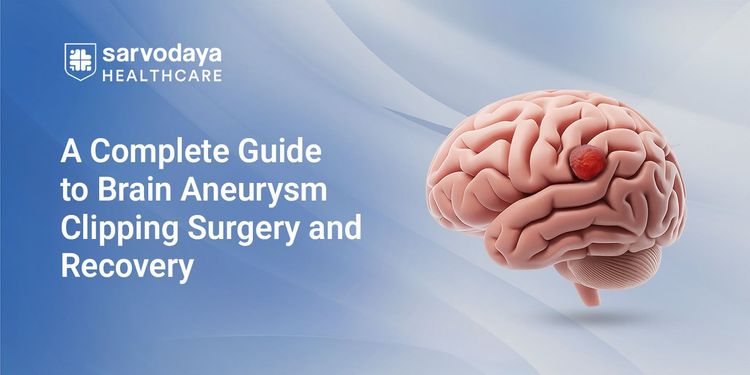


A brain aneurysm is a serious condition that can develop quietly and become life-threatening without warning. It weakens a blood vessel in the brain, creating a bulge that may rupture and cause internal bleeding, stroke, or permanent neurological damage.
In this blog, we explain how brain aneurysm clipping provides a reliable long-term protection.
Understanding Brain Aneurysms
A brain aneurysm forms when a section of a blood vessel wall becomes weak and balloons outward. While some aneurysms remain small and symptom-free, others grow over time and carry a high risk of rupture. A ruptured aneurysm can lead to sudden headache, vision problems, loss of consciousness, or life-threatening bleeding in the brain.
Several factors contribute to aneurysm development, including high blood pressure, smoking, genetic predisposition, and ageing. Because rupture can occur without warning, neurologists often recommend early intervention for aneurysms that show a higher likelihood of bleeding.
Overview of Aneurysm Clipping
Aneurysm clipping is a proven neurosurgical technique that permanently isolates an aneurysm from blood flow. During the procedure, a small titanium clip is placed at the base of the aneurysm, preventing blood from entering the aneurysm and preventing further growth or rupture.
This form of aneurysm clipping treatment is widely used for complex or high-risk aneurysms and offers a durable, long-term solution. Intracranial aneurysm clipping is particularly suitable when the aneurysm is large, irregularly shaped, or located in a region where minimally invasive options are not feasible. With modern surgical tools and expertise, aneurysm clipping surgery delivers strong outcomes and lasting protection.
Read More- Early Signs of Stroke You Should Never Ignore: A Neurologist’s Guide to Quick Action
The Need for Aneurysm Clipping Treatment
Not every brain aneurysm needs immediate surgery.
A neurologist in Noida may recommend surgical clipping for an aneurysm in the following situations:
- Large or rapidly growing aneurysms
- Aneurysms with irregular shapes or thin walls
- Aneurysms located in high-risk areas of the brain
- A previous history of aneurysm rupture
- Younger patients who require long-term protection
In such cases, brain aneurysm clipping offers a permanent and reliable solution, significantly reducing the risk of rupture and future complications.
Process of Aneurysm Clipping Surgery
Aneurysm clipping surgery is performed under general anaesthesia by a specialised neurologist in Greater Noida. A small opening is made in the skull to access the affected blood vessel, allowing the surgeon to carefully place a titanium clip at the base of the aneurysm.
The key stages of intracranial aneurysm clipping include:
- Detailed imaging to map the aneurysm
- Precise surgical access to the affected vessel
- Placement of the clip to block blood flow into the aneurysm
- Verification of normal blood circulation in nearby arteries
Once secured, the clip remains permanently in place, preventing further expansion or rupture.
Read More- Brain Tumour Warning Signs: Symptoms, Diagnosis, and Treatment Options in Delhi NCR
Benefits of Surgical Clipping for Aneurysm
Surgical clipping for an aneurysm is regarded as one of the most definitive treatment options for preventing rupture. Once the clip is placed, the aneurysm is permanently excluded from blood circulation, offering lasting protection.
The key benefits include:
- Permanent isolation of the aneurysm
- Lower risk of recurrence compared to other methods
- Suitable for large and complex aneurysms
- Long-term safety for younger patients
- Reduces the chance of future rupture
Risks and Possible Complications
Like any major brain procedure, aneurysm clipping surgery carries certain risks. These vary based on the aneurysm’s location, size, and the patient’s overall health. With skilled surgical care, most complications are preventable or manageable.
Possible risks include:
- Infection or bleeding
- Brain swelling
- Stroke or temporary neurological weakness
- Speech, memory, or vision changes
- Seizures in rare cases
Choosing the best neurologist in Delhi NCR significantly reduces these risks and ensures safer outcomes from brain aneurysm clipping.
Recovery After Aneurysm Clipping Surgery
Recovery after aneurysm clipping surgery begins in the intensive care unit, where patients are closely monitored for neurological stability. The hospital stay usually ranges from a few days to two weeks, depending on the complexity of the surgery and the patient’s condition.
The recovery phase typically involves:
- Pain management and wound care
- Monitoring brain function and vital signs
- Gradual mobilisation and physical therapy
- Support for speech, memory, or coordination if required
Most patients resume light activities within a few weeks, while complete recovery may take several months.
Read More- Blood Clot in Brain: Causes, Symptoms, Reasons & Treatment
Life After Brain Aneurysm Clipping
Life after intracranial aneurysm clipping often improves significantly, especially for those who experienced symptoms before treatment. Once the aneurysm is secured, the risk of rupture is substantially reduced, allowing patients to return to daily routines with confidence.
Long-term care focuses on:
- Regular follow-up imaging
- Blood pressure control
- Healthy lifestyle habits
- Ongoing neurological assessment
With proper care, most individuals lead active, everyday lives after aneurysm clipping treatment, enjoying long-term protection and improved quality of life.
Conclusion
Aneurysm clipping remains one of the most dependable solutions for preventing rupture and long-term neurological damage. With precise surgical techniques and expert care, brain aneurysm clipping offers permanent protection, allowing patients to move forward without the constant fear of sudden complications.
Sarvodaya Hospital, Faridabad, stands among the best neurology hospitals in Delhi NCR, offering advanced diagnostic facilities, experienced neurosurgeons, and comprehensive post-operative care. Patients seeking treatment at Sarvodaya can access the best neurologist in Faridabad and compassionate care teams for aneurysm clipping.
Taking the first step can make all the difference. If you or a loved one is facing concerns related to aneurysms or neurological health, it is time to book an appointment now and seek expert guidance for timely, life-saving treatment.