


While advances in medicine have made organ transplantation highly successful, the shortage of organ donors continues to be one of the biggest challenges worldwide. The cases among adults and children have picked up from 0.05 per million to 0.8 per million population. This is where campaigns and awareness days matter, as they communicate the need for donors, especially in children, for transplants affecting the liver, heart, pancreas, and kidneys.
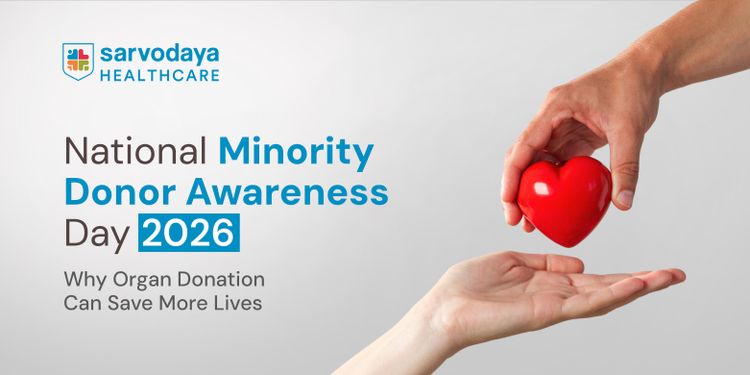
National Minority Donor Awareness Day (1 August) is an important day, not just for raising awareness or avoiding misconceptions, but also for recognising the contributions of donors and encouraging others to register for donation. Although the observance began in the United States, its message is universal: every registered donor has the potential to save multiple lives.
In India, where the population demands access to donated organs, this day serves as an opportunity to strengthen Organ Donation Awareness.
In this article, you'll learn about National Minority Donor Awareness Day, why organ donation matters, common myths, donor eligibility and how you can become an organ donor.
What is National Minority Donor Awareness Day?
National Minority Donor Awareness Day is an annual awareness observance dedicated to increasing awareness about organ, eye and tissue donation while encouraging people from all communities to register as organ donors.
The day also highlights the need to improve access to transplantation among ethnic and minority populations, who often experience a higher burden of diseases leading to organ failure but lower rates of donor registration.
The observance aims to:
- Increase Organ Donation Awareness
- Encourage Organ Donor Registration
- Educate people about Organ and Tissue Donation
- Address myths and misconceptions
- Promote health equity in organ transplantation
- Honour organ donors and their families
- Inspire more people to pledge as donors
Its message extends beyond one country or community. It reminds us that organ donation is a humanitarian act that has the power to transform countless lives.
When is National Minority Donor Awareness Day Celebrated?
National Minority Donor Awareness Day is observed every year on 1 August.
The day is recognised as part of broader efforts to improve awareness about organ donation, transplantation and healthcare equity. Healthcare organisations, transplant centres, patient advocacy groups and medical professionals use the occasion to educate people about the importance of becoming organ donors.
Although it originated in the United States, the message remains relevant globally because the shortage of donor organs continues to affect patients in every country.
History of National Minority Donor Awareness Day
National Minority Donor Awareness Day was established to address the gap between the growing need for organ transplants and the limited availability of donor organs, particularly among minority communities.
Many chronic diseases such as kidney failure, liver disease, diabetes and hypertension disproportionately affect certain populations, increasing the demand for organ transplantation. However, donor registration rates often remain low because of limited awareness, cultural misconceptions and lack of information.
Over the years, this observance has expanded beyond awareness alone. It now focuses on education, community engagement, patient advocacy and encouraging families to discuss organ donation before a medical emergency occurs.
Why is Organ Donation Important?
Every organ donor has the potential to save multiple lives and improve the quality of life for many more through tissue donation.
Organ Donation Saves Lives because one donor may help patients suffering from:
- End-stage kidney disease
- Liver failure
- Heart failure
- Lung disease
- Pancreatic disorders
- Severe burns
- Corneal blindness
- Bone and tissue injuries
For many patients, transplantation is not simply another treatment option. It may be the only chance for long-term survival.
Increasing the Importance of Organ Donation means giving more patients the opportunity to receive timely treatment and live healthier lives.
Why Does Organ Donation Awareness Matter in Minority Communities?
The observance was created to encourage better awareness among minority and underserved populations, where certain chronic diseases may occur more frequently and access to transplantation may be more challenging.
Many factors contribute to lower donor registration, including:
- Lack of awareness
- Cultural misconceptions
- Religious myths
- Fear about organ donation
- Limited access to healthcare information
- Hesitation in discussing donation with family
Improving awareness helps communities make informed decisions based on facts rather than misconceptions.
In India, awareness about organ donation remains equally important. Increasing public understanding can help bridge the gap between patients waiting for transplants and the availability of donor organs.
What Organs and Tissues Can Be Donated?
Both Living Organ Donation and Deceased Organ Donation can help save lives.
Organs that may be donated include:
- Kidneys
- Liver
- Heart
- Lungs
- Pancreas
- Intestine
Tissues that may be donated include:
- Corneas
- Skin
- Bone
- Heart valves
- Tendons
- Blood vessels
The organs and tissues that can be donated depend on the donor's health, age, medical history and the circumstances of donation.
Who Can Become an Organ Donor?
Many people believe they are either too old or medically unsuitable to become donors. In reality, donor eligibility is determined by medical professionals at the time of donation.
Generally, people of different age groups may register as organ donors.
Doctors consider factors such as:
- Overall medical condition
- Organ function
- Medical history
- Type of illness
- Cause of death (for deceased donation)
People should not assume they are ineligible without medical assessment.
Common Myths About Organ Donation
Several Organ Donation Myths prevent people from registering as donors.
Myth: Doctors will not try to save my life if I am a donor.
Fact: Medical teams always prioritise saving a patient's life. Organ donation is only considered after every life-saving effort has failed.
Myth: I am too old to donate.
Fact: Age alone does not automatically disqualify someone. Medical suitability is assessed individually.
Myth: Organ donation disfigures the body.
Fact: Organ retrieval is performed respectfully by trained surgical teams.
Myth: One donor can only help one patient.
Fact: A single organ donor may save several lives and improve many more through tissue donation.
How Does Organ Donation Save Lives?
Modern transplantation has transformed the treatment of many life-threatening diseases.
Patients with organ failure often experience severe limitations in daily life. A successful transplant may help restore health, improve quality of life and increase life expectancy.
Greater Organ Transplant Awareness encourages more people to become donors and helps reduce waiting times for patients in need.
How Can I Register as an Organ Donor?
The process for Organ Donor Registration varies by country.
In India, individuals can pledge to become organ donors through authorised organisations and by discussing their decision with family members. Family awareness is important because consent plays a significant role at the time of donation.
People can also support awareness by:
- Learning about organ donation
- Sharing accurate information
- Encouraging family discussions
- Participating in awareness campaigns
- Registering as voluntary donors where applicable
Even simple conversations can inspire others to make informed decisions.
Organ Donation & Transplant Care at Sarvodaya Hospital
Organ transplantation requires timely diagnosis, specialised surgical expertise and coordinated multidisciplinary care. At Sarvodaya Hospital, patients with advanced kidney and liver diseases receive comprehensive evaluation and transplant-related care through experienced specialists.
The hospital offers integrated services involving nephrology, hepatology, transplant surgery, critical care, anaesthesiology, radiology and rehabilitation to ensure personalised treatment for every patient.
What Sarvodaya offers:
- Evaluation for patients with advanced kidney and liver diseases
- Comprehensive transplant assessment and eligibility evaluation
- Specialist consultation for kidney and liver transplantation
- Advanced diagnostic and imaging support
- Multidisciplinary transplant planning
- Living donor evaluation and counselling
- Post-transplant monitoring and long-term follow-up
- Infection prevention and immunosuppressive therapy management
- Nutritional guidance and rehabilitation support
- Patient and family counselling throughout the transplant journey
For patients looking for an Organ Donation Hospital in Faridabad, Kidney Transplant Hospital in Faridabad or Liver Transplant Hospital in Faridabad, Sarvodaya Hospital provides comprehensive transplant services supported by experienced specialists and advanced medical infrastructure.