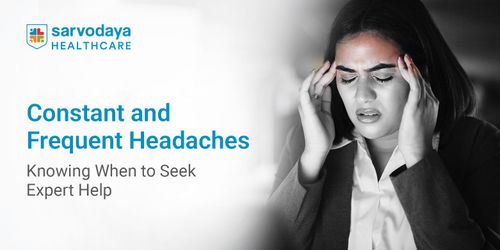

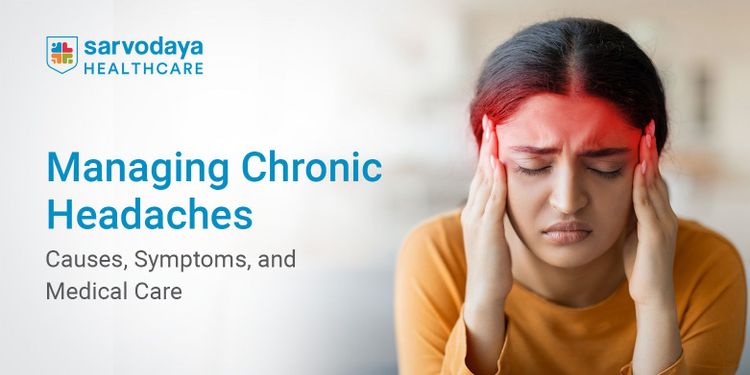


Headaches are one of the most common neurological concerns affecting people of all ages. While occasional headaches may result from temporary factors such as fatigue, dehydration, or lack of sleep, recurring headaches can significantly interfere with daily activities. When headaches occur frequently and persist for a prolonged period, they may indicate underlying medical or lifestyle-related issues that require proper evaluation.
In this blog, we discuss the common causes of chronic headaches, the symptoms associated with long-term headaches, and effective treatment options for chronic headaches.
Understanding Chronic Headaches
Chronic headaches are those that occur on 15 or more days each month for at least 3 months. Unlike occasional headaches, which may resolve with rest or hydration, chronic headaches often persist and may require medical evaluation to identify the underlying cause.
Two of the most common long-term headache conditions include the following:
- Chronic migraine symptoms: include throbbing head pain, nausea, sensitivity to light or sound, and visual disturbances that may last for several hours or days.
- Chronic tension headache: which usually causes a constant dull pressure or tightness around the forehead, temples, or back of the head and is often linked to stress, poor posture, or muscle tension.
Common Chronic Headache Causes
Chronic headaches can develop due to a combination of lifestyle habits, medical conditions, and environmental triggers. Many individuals experience recurring headaches because certain triggers repeatedly affect the nervous system.
Some of the most common causes of frequent headaches include the following:
- Stress and emotional strain can tighten muscles around the neck and scalp and often lead to chronic tension headaches.
- Irregular sleep patterns include insufficient sleep or disrupted sleep cycles, which affect brain function and pain regulation.
- Dehydration and poor dietary habits can trigger headaches due to electrolyte imbalance and reduced blood flow to the brain.
- Hormonal fluctuations that commonly affect women and may contribute to chronic migraine symptoms.
- Eye strain and excessive screen exposure place continuous stress on the eyes and surrounding muscles.
- Medication overuse, particularly frequent use of pain relief medicines, may require specialised medication overuse headache treatment.
Migraine Triggers During Winter: Why Cold Weather Can Intensify Migraines
Symptoms Associated With Chronic Headaches
Chronic headaches may present with a variety of symptoms depending on the type and underlying cause. Persistent headaches that interfere with daily activities often warrant medical evaluation and appropriate chronic headache treatment.
Common symptoms associated with chronic headaches include the following:
- Persistent head pain occurs multiple days each month.
- Pressure or tightness around the forehead or scalp, often linked with chronic tension headache.
- Throbbing or pulsating pain that may affect one side of the head and is often seen in chronic migraine symptoms.
- Sensitivity to light, sound, or strong smells during headache episodes.
- Nausea, dizziness, or visual disturbances accompany severe headache episodes.
- Difficulty concentrating or reduced productivity due to repeated headaches.
Recognising these symptoms early and understanding the causes of frequent headaches allows patients to seek proper diagnosis from an experienced neurologist in Noida and begin effective chronic headache treatment before the condition worsens.
Read More-
Migraine Headaches: Causes, Treatments, and When to See a Specialist
Chronic Headache Treatment Options
Once doctors identify the causes of chronic headaches, they can recommend an appropriate chronic headache treatment plan. Treatment strategies often combine medical care with lifestyle adjustments to provide long-term relief.
Common chronic headache treatment approaches include the following:
- Preventive medications are prescribed to reduce headache frequency, especially for patients experiencing severe chronic migraine symptoms.
- Pain management therapies that help control symptoms during active headache episodes.
- Lifestyle modifications such as improving sleep patterns, managing stress, and maintaining proper hydration can address the causes of frequent headaches.
- Physical therapy and posture correction can help relieve muscle tension associated with chronic tension headaches.
- Specialised care for medication overuse, where doctors may recommend structured medication overuse headache treatment to reduce dependency on painkillers gradually.
Consult a renowned neurologist in Greater Noida for evaluation and personalised treatment to ensure effective chronic headache treatment.
Read More- When is it not normal to have a Headache
Headache Prevention Tips
Following practical headache prevention tips helps individuals minimise triggers and maintain better neurological health.
Some effective headache prevention tips include the following:
- Maintain a consistent sleep routine to support healthy brain function and reduce the causes of frequent headaches.
- Stay well hydrated throughout the day to prevent dehydration-triggered headaches.
- Practise stress management techniques such as meditation, breathing exercises, or light physical activity.
- Limit excessive caffeine intake and maintain a balanced diet to reduce potential triggers linked to chronic migraine symptoms.
- Reduce screen time and eye strain by taking regular breaks while using digital devices.
- Maintain good posture and ergonomic work habits to avoid muscle strain, which can lead to chronic tension headaches.
Conclusion
Chronic headaches can significantly affect physical comfort, emotional well-being, and overall productivity if left unmanaged. With the right medical guidance, patients can benefit from effective chronic headache treatment that improves their quality of life.
Sarvodaya Hospital, Faridabad, is recognised for its comprehensive neurological care and patient-focused treatment approach. With access to experienced specialists and advanced diagnostic facilities, the hospital supports patients in identifying the causes of chronic headaches and in developing personalised treatment plans. Consulting a skilled neurologist in Faridabad at a facility known as the best neurology hospital in Delhi NCR helps ensure timely diagnosis and preventive care for long-term neurological health.
If you are experiencing persistent headaches or concerning symptoms, it is important to seek professional guidance without delay. Book an appointment now to begin your journey toward better neurological health.