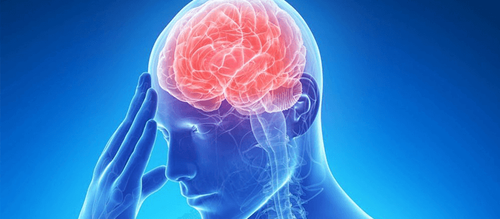


Headaches are among the most common neurological complaints affecting people of all ages. While many headaches are short-lived and respond well to rest or simple medication, some individuals experience a constant headache or recurring discomfort that interferes with daily life. When headaches become frequent or unrelenting, they may signal underlying concerns that require specialist attention.
In this blog, we explore the nature of ongoing headache pain, potential persistent headache causes, and warning signs that warrant expert evaluation.
Understanding Persistent Headaches
Most people experience occasional head pain due to stress, dehydration, lack of sleep, or minor illness. However, a constant headache differs in that it lingers for extended periods or recurs almost daily. Similarly, individuals experiencing frequent headaches may notice that pain episodes occur several times a week, often without clear triggers. These patterns can significantly affect concentration, mood, and overall well-being.
There is also a distinction between experiencing mild headaches every day and suffering from severe, disabling pain. Mild daily discomfort may be related to tension, posture, or eye strain, but persistent patterns warrant evaluation if they persist for weeks.
Common Persistent Headache Causes
Headaches are broadly classified into primary and secondary types. Primary headaches are conditions in themselves, whereas secondary headaches arise due to an underlying medical issue.
A careful clinical assessment helps distinguish between the two:
- Primary headache disorders include tension-type headaches, migraine, and cluster headaches. These conditions often explain frequent headaches or even a constant headache in otherwise healthy individuals. Tension-type headaches may feel like a tight band around the head, while migraines are commonly associated with throbbing pain, sensitivity to light, and nausea. Although these conditions can be distressing, they are usually manageable with appropriate treatment.
- Secondary headaches may stem from sinus infections, high blood pressure, medication overuse, head injury, or other medical disorders. In certain cases, severe headaches may be caused by infections, bleeding within the brain, or inflammatory conditions. While these situations are less common, they require prompt medical attention to prevent serious complications.
Through a detailed history and examination, a specialist can identify whether the headache pattern is benign or requires further investigation.
Read More- Migraine Headaches: Symptoms, Phases, Types and Medical Care
Recognising Concerning Headache Symptoms
Not all headaches are alike. Paying attention to associated headache symptoms can help determine whether further medical assessment is necessary. While some discomfort may be manageable at home, certain features should never be ignored.
The following warning signs suggest the need for urgent consultation:
- A sudden, severe headache described as the worst ever experienced
- A significant change in the pattern of frequent headaches
- Headache accompanied by fever, neck stiffness, or rash
- Weakness, numbness, difficulty speaking, or confusion
- Visual disturbances such as double vision or loss of vision
- Headache following a head injury
- A constant headache that progressively worsens over days or weeks
Individuals who experience mild headaches every day but notice increasing intensity or new neurological signs should also seek medical advice. The presence of alarming headache symptoms may indicate more serious underlying conditions and warrants prompt evaluation by a specialist.
When to See a Neurologist
While a general practitioner can manage many uncomplicated headaches, referral to a specialist is advisable when symptoms become complex or resistant to initial treatment.
You should consider seeing a specialist in the following situations:
- A constant headache lasting more than two weeks despite medication
- Increasing episodes of frequent headaches affecting work or sleep
- Presence of concerning headache symptoms, such as weakness or confusion
- Suspicion of serious persistent headache causes
- Episodes linked to the known causes of severe headache that require urgent exclusion
- Dependence on pain relief medication for mild headaches every day
Seeking advice from a qualified neurologist in Faridabad can provide access to specialised diagnostic facilities and advanced treatment options. Early consultation often prevents the progression of manageable conditions into chronic disorders.
Read More- When is it not normal to have a Headache?
Diagnostic Evaluation at a Neuro Care Hospital
A structured assessment at a neuro care hospital begins with a detailed medical history. The specialist will enquire about the onset, duration, frequency, and pattern of pain.
The evaluation typically includes the following steps:
- Comprehensive neurological examination
- Assessment of associated headache symptoms
- Blood pressure monitoring and systemic examination
- Imaging studies, such as an MRI or a CT scan, if indicated
- Blood investigations where infection or inflammation is suspected
Following the diagnosis, the neuro physician develops a personalised treatment strategy. This may involve medication adjustments, preventive therapy, lifestyle modification, or referral to other specialists if required.
Treatment Options and Preventive Strategies
Once the underlying persistent headache causes have been determined, treatment can be tailored accordingly. Many patients respond well to a combination of medical therapy and lifestyle adjustments under a neuro physician's supervision.
The treatment approach may include the following measures:
- Prescription medications to control a constant headache
- Preventive therapy for recurring frequent headaches
- Specific interventions targeting recognised causes of severe headache
- Adjusting or limiting painkillers in cases of medication overuse
- Posture correction and ergonomic advice for mild headaches every day
- Stress management techniques, adequate hydration, and sleep regulation
Conclusion
Living with a constant headache or repeated episodes of frequent headaches can be physically exhausting and emotionally distressing. While many headaches are benign, ongoing pain should never be dismissed.
At Sarvodaya Hospital, Faridabad, patients benefit from comprehensive neurological assessment at a dedicated neuro care hospital. An experienced neurophysician carefully evaluates each case to identify underlying concerns, including serious causes of severe headache. Consulting a trusted neurologist in Faridabad not only provides an accurate diagnosis but also helps prevent complications through early and preventive care.
If you or a loved one is experiencing a constant headache, unexplained frequent headaches, or troubling headache symptoms, do not delay seeking medical advice. For specialised neurological assessment and personalised care, book an appointment now.