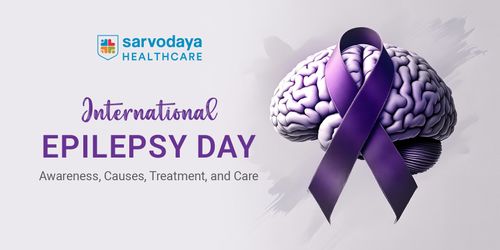

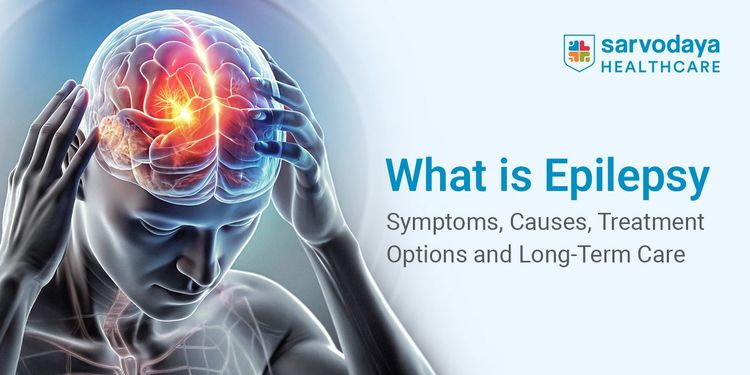


Epilepsy is a chronic neurological disorder that affects brain activity and leads to recurrent seizures. Without timely diagnosis and appropriate care, epilepsy can become challenging to manage and may lead to long-term complications.
In this blog, we discuss what is epilepsy, common epilepsy symptoms, underlying epilepsy causes, and the most effective epilepsy treatment options available today.
Understanding Epilepsy
Epilepsy is a neurological condition marked by repeated, unprovoked seizures caused by abnormal electrical signals in the brain. A person is diagnosed with epilepsy when they experience two or more seizures not triggered by temporary factors such as fever, infection, or low blood sugar.
Epilepsy can affect individuals of all ages, and with accurate diagnosis and structured care, many people can manage seizures effectively and maintain a good quality of life.
Read More- International Epilepsy Day
Epilepsy Symptoms
Epilepsy symptoms vary depending on the part of the brain affected and the type of seizure experienced. Symptoms may be subtle in some individuals and more severe in others, which is why early medical evaluation is essential after any unexplained seizure episode.
Common epilepsy symptoms include:
- Recurrent seizures without an identifiable trigger
- Sudden loss of awareness or consciousness
- Uncontrolled jerking or stiffening of muscles
- Temporary confusion or disorientation after an episode
- Staring spells or brief lapses in responsiveness
In adults, seizures may interfere with work and daily activities, while in children, symptoms can affect learning, behaviour, and development.
Epilepsy Causes
Epilepsy can result from structural, genetic, infectious, or unknown factors, and in many cases, no single cause is identified.
Common epilepsy causes include:
- Genetic predisposition or inherited conditions
- Brain injury due to trauma, stroke, or lack of oxygen
- Brain infections such as meningitis or encephalitis
- Developmental disorders affecting brain structure
- Tumours or abnormalities in brain tissue
In some individuals, epilepsy may develop suddenly later in life without a clear reason. Identifying epilepsy causes through detailed neurological evaluation from the best neurologist in Faridabad and imaging plays a crucial role in effective epilepsy treatment planning.
Read More - A Complete Guide to Brain Aneurysm Clipping Surgery and Recovery
Epilepsy in Children and Paediatric Epilepsy
Epilepsy in children often presents differently than in adults and requires specialised evaluation and care. Seizures in childhood may be brief or subtle, making them harder to recognise, yet they can significantly affect brain development, learning ability, and behaviour if not treated early.
Key aspects of paediatric epilepsy include:
- Seizures that appear as staring spells, sudden falls, or jerking movements
- Delays in speech, learning, or motor development
- Behavioural changes such as irritability or attention difficulties
- Higher sensitivity to medication dosage and side effects
Early diagnosis of epilepsy in children by a neurologist in Greater Noida is essential, as the developing brain responds well to timely and targeted treatment.
Epilepsy Treatment Options
Modern epilepsy treatment focuses on long-term seizure control while maintaining quality of life. Treatment plans are personalised based on seizure type, age, underlying cause, and overall health.
Common epilepsy treatment approaches include:
- Anti-seizure medications as the first line of management
- Lifestyle modifications, such as adequate sleep and stress management
- Dietary therapies in selected cases
- Surgical evaluation for drug-resistant epilepsy
Effective epilepsy treatment often requires regular follow-ups and adjustments to ensure optimal seizure control.
Epilepsy Medicine
Epilepsy medicine is the primary and most effective form of treatment for controlling seizures in the majority of patients. These medications work by stabilising electrical activity in the brain and reducing the frequency and intensity of seizures. Choosing the right drug depends on seizure type, age, overall health, and response to treatment.
Key points about epilepsy medicine include:
- Anti-epileptic drugs are usually started at a low dose and adjusted gradually.
- Many patients achieve complete seizure control with a single medication.
- Long-term use is generally safe when monitored by a neurologist.
- Regular follow-ups are required to manage side effects and assess effectiveness.
Adherence to the prescribed epilepsy medicine by a neurologist in Noida is critical. Skipping doses or stopping medication without medical advice can increase seizure risk and lead to complications.
Read More- Why Brain Stroke Risk Increases in Winter
Epilepsy Surgery Success Rate
When seizures do not respond to medication, surgical intervention may be considered. Epilepsy surgery success rate depends on the type of epilepsy, the location of the seizure focus, and thorough pre-surgical evaluation. Surgery aims to remove or disconnect the area of the brain responsible for seizures without affecting vital functions.
Important considerations regarding epilepsy surgery success rate include:
- Surgery is recommended only for drug-resistant epilepsy.
- Detailed imaging and brain mapping are required before eligibility
- Many patients experience a significant reduction or complete control of seizures.
- Post-surgical rehabilitation and monitoring are essential for long-term success.
Advances in neurological diagnostics and surgical techniques have improved the epilepsy surgery success rate, making surgery a safe and effective option for selected patients.
Read More- Brain Tumour Warning Signs
Conclusion
Epilepsy is a manageable neurological condition when diagnosed early and treated with a structured, patient-specific approach. With appropriate epilepsy medicine, lifestyle adjustments, and surgical evaluation when required, most individuals can lead productive and independent lives.
Sarvodaya Hospital, the best neurology hospital in Delhi NCR, offers comprehensive neurological care supported by advanced diagnostic tools, the best neurologist in Delhi NCR, and other experienced specialists, as well as evidence-based treatment protocols. At Sarvodaya Hospital, Faridabad, patients benefit from expert evaluation for adult epilepsy, epilepsy in children, and paediatric epilepsy, along with access to medication management and assessment for surgical intervention when necessary.
Take the first step towards effective epilepsy management and book an appointment now with a trusted specialist.