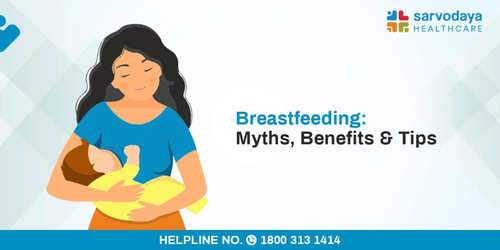



Breastfeeding is one of the simplest and most effective ways to give a baby a healthy start in life. It provides complete nutrition, strengthens immunity, supports healthy growth and creates a unique bond between a mother and her child. Despite its well-known benefits, many mothers still face challenges due to limited awareness, lack of support or common misconceptions surrounding breastfeeding.
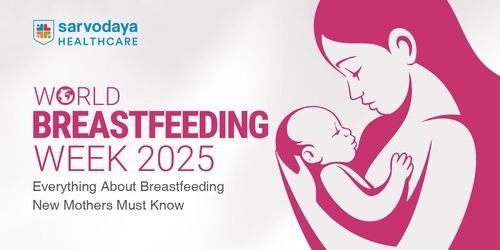
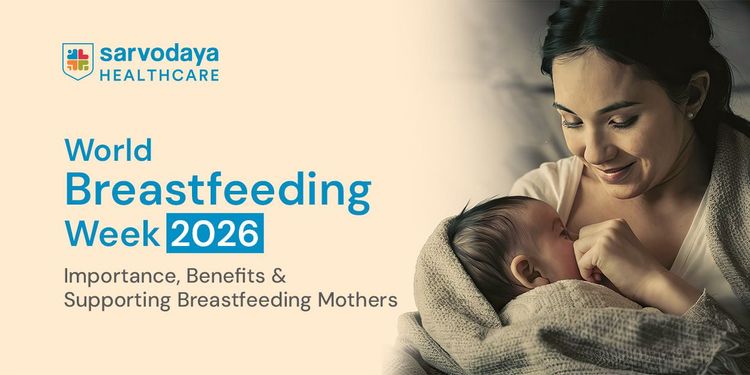
Observed every year from 1st to 7th August, World Breastfeeding Week is a global campaign dedicated to promoting, protecting and supporting breastfeeding. It reminds families, healthcare professionals, employers and communities that creating a supportive environment can help mothers breastfeed with confidence and give babies the best possible start in life.
In this article, you'll learn about World Breastfeeding Week 2026, its theme and history, the importance of breastfeeding, its benefits for both babies and mothers, and how families can play an active role in supporting breastfeeding.
What is World Breastfeeding Week?
World Breastfeeding Week is an annual global awareness campaign observed from 1st to 7th August every year. Coordinated by the World Alliance for Breastfeeding Action (WABA) with support from organisations such as the World Health Organization (WHO) and UNICEF, the campaign aims to encourage breastfeeding-friendly environments and improve awareness about its lifelong health benefits.
The campaign highlights that breastfeeding is not solely a mother's responsibility. Families, healthcare providers, workplaces and communities all play an important role in helping mothers initiate and continue breastfeeding successfully.
Every year, governments, hospitals, healthcare organisations and community groups participate in awareness programmes, educational campaigns and support initiatives to promote breastfeeding and improve maternal and child health.
When is World Breastfeeding Week Celebrated?
World Breastfeeding Week is celebrated every year from 1st August to 7th August across more than 120 countries.
The week serves as an opportunity to raise awareness about breastfeeding, encourage informed conversations, support new mothers and strengthen policies that make breastfeeding easier at home, in healthcare settings and in the workplace.
Although breastfeeding is a natural process, it is also a learned skill for many mothers. Access to accurate information and timely support during the early days after childbirth can make a significant difference in a mother's breastfeeding journey.
World Breastfeeding Week 2026 Theme
The World Breastfeeding Week 2026 theme is:
"Breastfeeding for a Sustainable Start in Life: Strengthen What Works."
The 2026 theme highlights the importance of strengthening existing breastfeeding support systems while recognising breastfeeding as an investment in healthier children, healthier mothers and healthier communities.
Breastfeeding contributes to better nutrition, improves child survival, supports food security and reduces healthcare costs by protecting babies against several illnesses during infancy. The theme also encourages healthcare providers, policymakers, employers and families to continue building environments where mothers receive the guidance and encouragement they need to breastfeed successfully.
Ultimately, the message is clear: when breastfeeding is supported, children receive a stronger and healthier foundation for life.
History of World Breastfeeding Week
The World Breastfeeding Week history dates back to 1992, when the World Alliance for Breastfeeding Action (WABA) launched the global campaign following the 1990 Innocenti Declaration. The declaration called for stronger action to protect, promote and support breastfeeding worldwide.
Since then, World Breastfeeding Week has grown into one of the largest public health awareness campaigns, bringing together governments, healthcare organisations, hospitals and community groups across the world. Every year, the campaign focuses on a specific theme that encourages better breastfeeding practices, improved maternal support and stronger public health policies.
Today, World Breastfeeding Week continues to inspire greater awareness while reminding societies that supporting breastfeeding is a shared responsibility.
What is Breastfeeding?
Simply put, what is breastfeeding?
Breastfeeding is the process of feeding a baby directly with breast milk produced by the mother's body. Breast milk is considered the ideal source of nutrition for infants because it naturally contains the right balance of nutrients needed for healthy growth and development.
Unlike formula milk, breast milk adapts to a baby's changing nutritional needs as they grow. It also contains antibodies and other protective components that help strengthen the baby's immune system and reduce the risk of several infections and illnesses.
Beyond nutrition, breastfeeding promotes skin-to-skin contact and emotional bonding, helping babies feel safe, comforted and secure during the early stages of life.
Why is Breastfeeding Important?
The importance of breastfeeding extends far beyond providing nourishment. Breastfeeding supports the physical, emotional and cognitive development of babies while offering several long-term health benefits for mothers.
Breast milk is uniquely designed to meet an infant's nutritional requirements during the first months of life. It is easy to digest, readily available and naturally sterile. More importantly, it contains antibodies and immune factors that help protect babies from common childhood illnesses.
For mothers, breastfeeding supports postpartum recovery, strengthens emotional bonding and may reduce the risk of certain chronic health conditions later in life. It is also a cost-effective and environmentally friendly way to feed a baby.
When families, healthcare professionals and communities work together to support breastfeeding, they contribute to healthier children and healthier societies.
Advantages of Breastfeeding for Babies
There are numerous advantages of breastfeeding for babies, both immediately after birth and throughout childhood.
Some of the key benefits include:
- Provides complete nutrition during the first six months of life.
- Supplies antibodies that strengthen the baby's immune system.
- Helps reduce the risk of respiratory, ear and gastrointestinal infections.
- Supports healthy brain and cognitive development.
- Promotes healthy growth and weight gain.
- Is easier to digest than infant formula.
- May lower the risk of obesity and certain chronic diseases later in life.
- Encourages close emotional bonding between mother and baby.
- Supports healthy development of the digestive system.
- Provides comfort and reassurance during feeding.
Breastfeeding not only nourishes a baby but also lays the foundation for lifelong health and development.
Health Benefits of Breastfeeding for Mothers
While breastfeeding is often discussed from the baby's perspective, mothers benefit too.
Breastfeeding helps the uterus return to its pre-pregnancy size more quickly after childbirth and may reduce postpartum bleeding. It also burns additional calories, which may support gradual weight loss after delivery when combined with a healthy lifestyle.
Research has also shown that breastfeeding may lower a mother's risk of breast cancer, ovarian cancer and type 2 diabetes later in life. Many mothers also describe breastfeeding as a deeply rewarding experience that strengthens the emotional connection with their baby while building confidence in caring for their newborn.
How Long is Exclusive Breastfeeding Recommended?
According to the World Health Organization (WHO), babies should be exclusively breastfed for the first six months of life. During this period, breast milk provides all the nutrition and hydration a healthy baby needs, without the need for water, formula or solid foods unless medically advised.
After six months, appropriate complementary foods should be introduced while breastfeeding continues. WHO recommends continuing breastfeeding alongside complementary feeding until two years of age or beyond, depending on the needs of the mother and child.
Following these recommendations helps support healthy growth, brain development and long-term wellbeing.
Common Challenges Faced by Breastfeeding Mothers
Although breastfeeding is natural, it does not always come naturally. Many mothers experience challenges during the early days, especially with their first baby.
Some common breastfeeding challenges include:
- Difficulty with latching
- Sore or cracked nipples
- Breast engorgement
- Concerns about low milk supply
- Blocked milk ducts
- Mastitis (breast infection)
- Balancing breastfeeding after returning to work
These challenges can often be managed successfully with timely medical guidance, proper breastfeeding techniques and emotional support. Mothers should never hesitate to seek professional help if breastfeeding becomes painful or difficult.
How Can Families Support Breastfeeding Mothers?
A mother's breastfeeding journey becomes much easier when she feels supported by those around her. Encouragement from partners, grandparents and other family members can have a positive impact on both her confidence and her ability to continue breastfeeding.
Families can support breastfeeding mothers by:
- Offering encouragement and emotional reassurance.
- Sharing household responsibilities and baby care.
- Helping the mother get adequate rest and nutritious meals.
- Respecting the baby's feeding schedule.
- Creating a calm and comfortable environment for breastfeeding.
- Accompanying the mother to postnatal appointments when needed.
- Encouraging her to seek medical advice if breastfeeding challenges arise.
Breastfeeding is a shared journey. While the mother feeds the baby, the support of family and loved ones helps create the environment that makes successful breastfeeding possible.
A Message for World Breastfeeding Week
Every breastfeeding journey is different. While some mothers breastfeed with ease, others may face challenges that require time, patience and support. This World Breastfeeding Week, let us recognise that every mother deserves accurate information, compassionate care and a supportive environment to make informed feeding choices for her baby.
Happy World Breastfeeding Week!
World Breastfeeding Week Quote:
"Breastfeeding is one of the first gifts of love a mother can give her child, providing nourishment, protection and a healthier start in life."
By supporting breastfeeding at home, in healthcare settings and at the workplace, we can help ensure that more mothers and babies experience its lifelong benefits.
Breastfeeding Support at Sarvodaya Hospital
The early days after childbirth can bring excitement as well as uncertainty, especially for first-time mothers. At Sarvodaya Hospital, mothers receive guidance and support to help establish breastfeeding with confidence and address common feeding concerns from the very beginning.
Breastfeeding support is integrated into postnatal care, ensuring that both mother and baby receive personalised attention during this important phase. The focus is on encouraging successful breastfeeding while supporting the health and well-being of both mother and child.
What Sarvodaya offers:
- Breastfeeding guidance and support after delivery
- Assistance with proper latching and comfortable breastfeeding positions
- Support for mothers experiencing common breastfeeding challenges
- Newborn feeding assessment and monitoring by paediatric and neonatal teams
- Guidance on exclusive breastfeeding and age-appropriate infant feeding practices
- Counselling on maternal nutrition during breastfeeding
- Follow-up support to address breastfeeding concerns after delivery
- Comprehensive postnatal care for both mother and baby under one roof
Whether you are a first-time mother or welcoming another child, timely guidance and reassurance can make your breastfeeding journey more comfortable and rewarding. If you experience pain during feeding, difficulty with latching or concerns about your baby's feeding pattern, seeking medical advice early can help resolve these issues and support your baby's healthy growth.