


Epilepsy is one of the common brain conditions, affecting over 50 million people worldwide. Still, people are often surrounded by misunderstandings, fear, and stigma. To raise awareness, many individuals, communities, and healthcare professionals celebrate International Epilepsy Day.
Through open conversations and epilepsy awareness campaigns, individuals aim to raise awareness, promote early detection, and ensure appropriate treatment.
What Is International Epilepsy Day?
International Epilepsy Day was established in 2015 by the International Bureau for Epilepsy (IBE) and the International League Against Epilepsy (ILAE). This year, it falls on February 9, 2026.
Many people with epilepsy fear discussing such issues openly due to ancient myths. Moreover, in underdeveloped areas, people do not even have access to medical facilities or awareness of the issue.
To break this barrier, the day shifts the view from fear and misunderstanding to support and action.
Why Is Epilepsy Awareness Day Important?
- Breaking Myths: Sometimes, false beliefs, myths, and fear create isolation and depression among individuals. Such awareness campaigns motivate individuals to seek help from an experienced neurologist in Delhi NCR, Noida, or Faridabad.
- Global Accessibility: In many underdeveloped countries, up to 75% of people with epilepsy do not have access to medications. These awareness programs help the government identify the necessities to support these areas and provide medications.
- Promoting Action: The 2026 theme focuses on motivating people to take necessary actions.
- Saving Lives Through Education: Public knowledge, such as the 3 C's: Stay Calm, Cushion the head, and Call for help, can prevent unnecessary injuries or deaths during a seizure.
Awareness and lifestyle tips for epilepsy play a crucial role in helping individuals live safely, confidently, and bravely with epilepsy.
Understanding Epilepsy: Causes and Symptoms
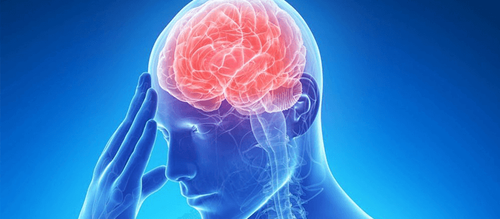
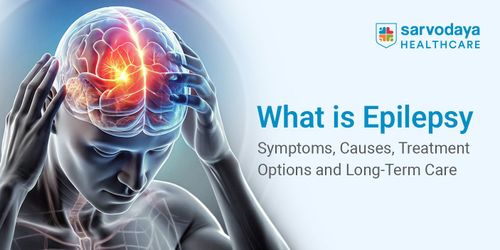
What Is Epilepsy? It is categorised as a long-term brain condition that causes a person to have repeated seizures. In simple terms, our brain sends tiny electrical signals to the body to tell it how to move, think, and feel. A seizure can be defined as an uncontrolled electrical storm that can affect the brain’s normal functioning for a brief moment..
As these symptoms are common and non-contagious, the problem can be managed through proper therapies and medications.
Epilepsy Causes and Symptoms
Sometimes the causes are known, and in many cases, they are unidentifiable. Some common causes of epilepsy include:
- Genetic factors
- Brain injury or trauma
- Stroke or brain infections
- Developmental disorders
- Tumours or structural brain abnormalities
Symptoms of epilepsy may vary, depending on the type of seizure. Some common symptoms include:
- Sudden loss of awareness
- Uncontrolled jerking movements
- Temporary confusion
- Stare blankly for a few seconds
- Sensory disturbances such as tingling or visual changes
Recognising early symptoms and seeking medical attention on time can provide effective results.
Epilepsy Treatment Approaches
Epilepsy treatment depends on the type of seizures and the person, involving the cause, age, and overall health of the patient. This issue is faced by at least 1 in 26 people, and about 75% of people can manage epilepsy with daily medications, ensuring a healthy, living life.
Common Epilepsy Treatment Options Include:
- Anti-epileptic medications to control seizures
- Changing lifestyle to reduce seizure triggers
- Following doctor-recommended diets and therapies
- Surgical intervention, when medications are ineffective
- Advanced treatments for refractory epilepsy
Through proper communication with a neurologist in Noida, many people with epilepsy can achieve good control over seizures.
Epilepsy Management
Managing epilepsy goes beyond taking medications. Sometimes, simple lifestyle changes can reduce the occurrence of seizures and improve overall well-being.
Epilepsy Lifestyle Tips:
- Take your medications regularly as prescribed
- Maintain a consistent sleep routine
- Manage stress through relaxation techniques
- Avoid activities that can trigger known seizures
- Limit alcohol consumption
- Follow a balanced and nutritious diet
- Visit your neurologist for routine check-ups with your neurologist
- Expert care by neurologists and
Education and self-awareness play an important role in normalising the issue and spreading essential information.
Read More- World Stroke Day 2025: Raising Awareness and Taking Action Against Stroke
The Role of Neurologists in Epilepsy Management
Your brain uses electrical signals to move, communicate, remember, and stay aware of yourself and your surroundings. For example, your ability to walk, speak, remember people, places, and events, and to what’s happening around and to yourself.
When these electrical signals become excessive or abnormal, it leads to seizures.
While a general doctor can understand a seizure, a neurologist is trained to understand “why” and “how” of the issue.
A neurologist can:
- Understand how these electrical signals work.
- Identify where and why they are misaiming.
- Locating the “where” with tests like EEG.
- Prescribing treatments and therapies
If you or your loved one experiences seizures, consulting a neurologist in Faridabad, Noida, or any other region can help ensure the correct treatment
Sarvodaya’s Approach to Diagnosing Epilepsy
Finding a neurology hospital for epilepsy that provides personalised results along with expert care is difficult. At Sarvodaya, epilepsy is treated through expert professionals and personalised care. Here, the neurology department conducts a detailed evaluation and then prescribes treatment accordingly.
What We Offer:
- Detailed examination to understand the type, frequency, and triggers causing seizures.
- Advanced approaches, such as EEG and neuroimaging.
- Personalised treatment with anti-epileptic medications
- Precise monitoring to reduce side effects
- Introducing therapeutic options to manage drug-resistant epilepsy.
- Offering guidance and awareness about epilepsy
If you are searching for the best epilepsy hospital near me, Sarvodaya Hospital offers a detailed diagnosis for epilepsy. It is known for its expert care and advanced treatment procedures. Consult a specialist and take a step towards epilepsy management now!
Conclusion
International Epilepsy Day reminds us that awareness, timely medical care, and community support can significantly improve the lives of people living with epilepsy. Understanding the condition, recognising symptoms, and seeking expert care on time can provide better results.
At Sarvodaya, we continue to offer epilepsy awareness and provide comprehensive and personalised neurological care to each individual.