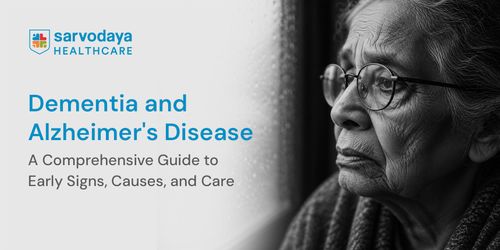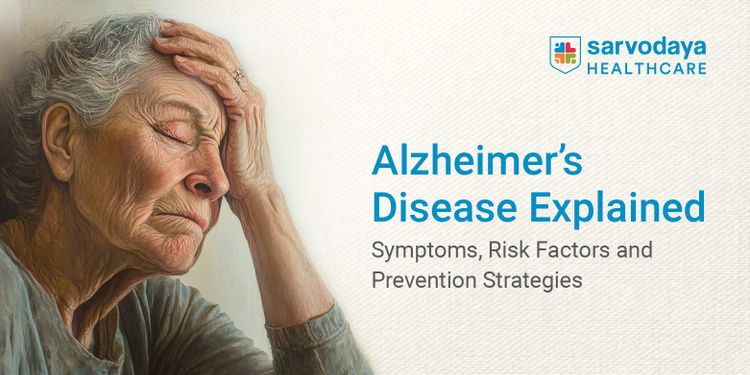


Alzheimer’s disease is one of the most common causes of dementia worldwide and primarily affects older adults. Over time, it interferes with daily activities and independence, placing emotional and practical strain on families and caregivers.
In this blog, we explain Alzheimer's disease, its most common symptoms, and available treatment options. Learning the essentials of the disease will help you understand when to consult a neurologist in Greater Noida.
Understanding Alzheimer’s Disease
Alzheimer's disease is a progressive brain disorder characterised by the gradual degeneration of brain cells. This degeneration leads to memory loss, cognitive decline and behavioural changes. The condition develops slowly and worsens over time, eventually affecting a person’s ability to perform routine tasks.
While mild forgetfulness can occur with age, Alzheimer’s disease involves persistent and worsening impairment that disrupts daily life.
When the disease begins to hinder your daily activities, it’s best to consult a neurologist in Faridabad.
Alzheimer’s Disease Symptoms
In the beginning, changes may be subtle and easily mistaken for normal ageing, but persistent and progressive cognitive decline requires medical attention. Only the best neurologist in Delhi NCR can detect these symptoms.
Common Alzheimer's disease symptoms include:
- Memory Loss that Disrupts Daily Life: Frequently forgetting recently learned information, important dates or events, and repeatedly asking for the same information.
- Difficulty Planning or Solving Problems: Struggling to follow familiar recipes, manage finances or concentrate on tasks that were previously routine.
- Confusion with Time or Place: Losing track of dates, seasons or the passage of time, and forgetting where they are or how they got there.
- Challenges with Language: Trouble finding the right words, repeating themselves in conversations, or stopping midway due to difficulty continuing.
- Changes in Mood and Personality: Increased anxiety, irritability, withdrawal from social activities or noticeable personality shifts.
If you consult a neurologist in Noida, you can understand the issue properly through proper evaluation and technologies.
Read More- Migraine Headaches: Symptoms, Phases, Types and Medical Care
Causes of Alzheimer’s Disease
The exact causes of Alzheimer's disease are not fully understood. However, research suggests that a combination of genetic, environmental and lifestyle factors contributes to the development of this condition.
The recognised causes of Alzheimer's disease and contributing risk factors include:
- Advancing Age: Age is the most significant risk factor. While Alzheimer’s is not a normal part of ageing, the likelihood increases after the age of 65.
- Genetic Predisposition: A family history of dementia may increase risk. Certain inherited gene mutations are associated with specific types of Alzheimer's disease, particularly early-onset forms.
- Cardiovascular Health Factors: High blood pressure, diabetes, obesity and high cholesterol can affect blood flow to the brain and may contribute to the causes of Alzheimer's disease.
- Lifestyle and Environmental Influences: Physical inactivity, poor diet, smoking and limited mental stimulation are associated with increased risk.
Types of Alzheimer’s Disease
Although the condition shares common features, it can present differently depending on the age of onset and genetic background.
The recognised types of Alzheimer's disease include:
- Early-Onset Alzheimer’s Disease: This form develops before the age of 65 and may appear as early as the 40s or 50s. It is less common but can progress rapidly. Certain inherited gene mutations are linked to this form and influence the causes of Alzheimer's disease.
- Late-Onset Alzheimer’s Disease: The most common form, typically developing after the age of 65. Age remains the strongest risk factor. The progression is usually gradual, with increasing Alzheimer's disease symptoms over time.
- Familial Alzheimer’s Disease: A rare inherited condition passed down through generations. It is strongly associated with specific genetic mutations and is considered one of the distinct types of Alzheimer's disease.
Diagnosis and Evaluation
Although no single test confirms the condition, a comprehensive clinical assessment helps identify cognitive decline and rule out other possible causes.
Diagnosis typically involves:
- Detailed Medical History and Clinical Examination: Doctors evaluate memory concerns, behavioural changes and overall health while reviewing family history related to the causes of Alzheimer's disease.
- Cognitive and Neuropsychological Testing: Standardised assessments measure memory, language, reasoning and problem-solving abilities to identify patterns consistent with Alzheimer's disease symptoms.
- Brain Imaging: MRI or CT scans may be used to detect structural brain changes and exclude other neurological conditions.
- Laboratory Investigations: Blood tests help rule out vitamin deficiencies, thyroid disorders or infections that may mimic dementia.
Alzheimer Disease Treatment
Treatment plans are personalised, depending on the stage of the condition, associated health issues and the specific types of Alzheimer's disease diagnosed.
The main components of Alzheimer's disease treatment include:
- Medications to Support Cognitive Function: Certain medicines may temporarily improve memory and thinking abilities or stabilise Alzheimer's disease symptoms in the early to moderate stages.
- Behavioural and Psychological Management: Supportive therapies help address mood changes, agitation, anxiety and sleep disturbances.
- Cognitive Stimulation Therapy: Structured mental exercises and memory training may help maintain functional abilities for longer.
- Caregiver Education and Support: Families play a crucial role in managing Alzheimer's disease, and professional guidance helps them respond effectively to behavioural changes.
Prevention Tips and Risk Reduction
Preventive measures focus on maintaining overall brain and cardiovascular health, especially in those with a family history.
The following steps may help lower the risk associated with the causes of Alzheimer's disease:
- Engage in Regular Physical Activity: Exercise improves blood flow to the brain and supports cognitive function.
- Follow a Heart-Healthy Diet: A balanced diet rich in fruits, vegetables, whole grains, and healthy fats supports brain health and may reduce the progression of some Alzheimer's disease symptoms and associated risks.
- Stay Mentally Active: Reading, puzzles, learning new skills, and social engagement stimulate neural connections and support resilience.
- Control Chronic Health Conditions: Managing diabetes, hypertension and high cholesterol reduces vascular risks linked to the causes of Alzheimer's disease.
- Maintain Social Connections: Regular interaction with family and community can positively influence emotional and cognitive well-being.
Conclusion
Alzheimer’s is a progressive neurological condition that significantly affects memory, behaviour and independence.
If you are searching for the best neurology hospital in Delhi NCR, Sarvodaya Hospital, Faridabad, offers comprehensive and compassionate care for neurological conditions, including advanced Alzheimer’s disease treatment. The hospital also provides multidisciplinary evaluation, modern diagnostic facilities and personalised management plans tailored to different types of Alzheimer's disease.
Professional guidance can slow progression and support families through every stage of care, so book an appointment now to prioritise cognitive health.