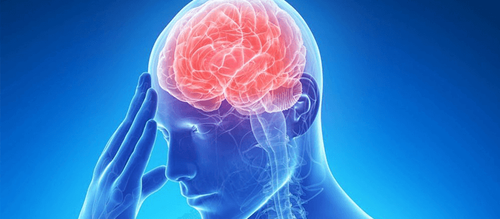




Migraine is a complex neurological condition that affects millions of people worldwide and significantly interferes with daily functioning, work performance and overall quality of life. Unlike common headaches, migraine headaches are often recurrent and may be accompanied by a range of neurological and physical symptoms. The condition can vary widely in intensity, duration and frequency, making early recognition and appropriate medical care essential for long-term control.
In this blog, we explain what migraine is, how it affects the nervous system, the common symptoms of migraine, the recognised stages of migraine development, and the different clinical types.
Understanding Migraine and Its Neurological Impact
Migraine is a neurological disorder characterised by abnormal brain activity that affects nerve signalling, blood flow and chemical balance within the brain. Unlike ordinary headaches, migraine headaches involve heightened sensitivity of the nervous system, which explains the presence of associated symptoms such as visual disturbances, nausea and sensitivity to light or sound. These neurological changes are temporary but can be intensely disabling during an attack.
The condition does not result from structural damage to the brain but from functional changes in how pain signals are processed. Genetic predisposition, hormonal fluctuations and environmental triggers contribute to migraine development. Early medical evaluation and timely migraine treatment are important to prevent worsening patterns and reduce the long-term impact on daily life.
Common Symptoms Associated With Migraine
Migraines present with a wide range of symptoms that vary from person to person and may change over time. The symptoms of migraine often extend beyond head pain and can interfere significantly with routine activities.
Some of the most commonly reported symptoms include the following:
- Throbbing or pulsating head pain, usually affecting one side of the head.
- Sensitivity to light, sound or strong smells
- Nausea, vomiting or abdominal discomfort
- Visual disturbances such as flashing lights or blurred vision
- Difficulty concentrating and fatigue
Stages of Migraine and Their Clinical Features
Migraine attacks typically progress through distinct phases known as the stages of migraine, although not every individual experiences all stages with each episode.
The recognised stages include the following:
- Prodrome, marked by mood changes, neck stiffness or food cravings
- Aura, involving temporary visual or sensory disturbances in some individuals
- Headache phase, characterised by moderate to severe pain with associated symptoms
- Postdrome, often described as exhaustion or mental fog, occurs after the headache subsides.
Types of Migraine Headaches
Migraine is not a single uniform condition and can present in several clinical forms. Identifying the specific type helps guide appropriate treatment of migraine and long-term management. Some individuals experience occasional attacks, while others develop frequent episodes that significantly affect daily functioning and quality of life.
The commonly recognised types include the following:
- Migraine Without Aura: Characterised by moderate to severe head pain without visual or sensory disturbances.
- Migraine With Aura: Neurological symptoms such as visual changes precede the headache.
- Chronic Migraine: Defined by headache occurring on 15 or more days per month, often accompanied by chronic migraine symptoms such as persistent fatigue and concentration difficulties.
- Menstrual Migraine: Linked to hormonal fluctuations in women.
Causes and Triggers of Migraine
Migraines develop due to a combination of genetic, neurological and environmental factors. While the exact cause is not fully understood, certain internal and external triggers are known to initiate migraine attacks.
Common migraine triggers include the following:
- Hormonal changes, particularly in women
- Stress, sleep disturbances or fatigue
- Certain foods, caffeine or dehydration
- Sensory stimuli such as bright lights or strong smells
- Weather changes or prolonged screen exposure
Diagnosis and Medical Evaluation of Migraine
The diagnosis of migraine is primarily clinical and is based on a detailed medical history and symptom pattern. Doctors assess the frequency, duration and nature of headaches, along with associated neurological features, to distinguish migraine headaches from other headache disorders. Maintaining a headache diary often helps identify triggers and track responses to migraine treatment.
In certain cases, imaging tests such as MRI or CT scans may be advised to rule out secondary causes, especially when symptoms are atypical. Patients benefit from evaluation by a neurologist in Delhi NCR for their clinical needs.
Treatment Approaches for Migraine
The goal of migraine care is to relieve acute symptoms and reduce the frequency of future attacks. Migraine headache treatment is individualised and depends on attack severity, frequency and associated symptoms.
Treatment strategies for migraine include the following:
- Acute medications to relieve pain and associated symptoms
- Preventive therapies aimed at reducing attack frequency
- Lifestyle modifications and trigger avoidance
- Long-term treatment of migraine under specialist supervision
Regular follow-up with a neurologist in Faridabad supports effective migraine treatment and helps prevent progression to chronic patterns.
Preventive Care and Long-Term Migraine Management
Long-term migraine management focuses on reducing attack frequency, severity and impact on daily life. Preventive care is particularly important for individuals with ongoing chronic migraine symptoms. A structured plan helps stabilise the nervous system and improves overall quality of life.
Ongoing monitoring by specialists ensures that migraine treatment remains effective over time and reduces the risk of medication overuse or progression to chronic migraine. Consultation at a specialised neuro hospital ensures accurate diagnosis and access to expert care.
Read More- When is it not normal to have a Headache?
Conclusion
Migraine is a neurological condition that extends beyond head pain and affects multiple aspects of physical and mental well-being. With appropriate care, most individuals can achieve significant symptom control and improved daily functioning.
Sarvodaya Hospital, Faridabad, is a trusted centre for comprehensive migraine care, offering access to the best neurophysicians in Greater Noida, advanced diagnostic facilities, and personalised migraine headache treatment plans.
Take a proactive step towards better neurological health and book an appointment now to receive expert care and long-term support.