


The brain is the body’s most vital organ, controlling every movement, thought, and function. When a serious neurological condition affects the brain, timely and precise medical intervention becomes essential. One such intervention is craniotomy, a highly specialised surgery that allows doctors to access and treat problems within the brain with accuracy and care.
In this blog, we explain what a craniotomy involves, why it is performed, the detailed craniotomy procedure, the recovery journey, potential risks, and the importance of choosing the right neurological care team for safe and successful treatment.
Exploring Craniotomy
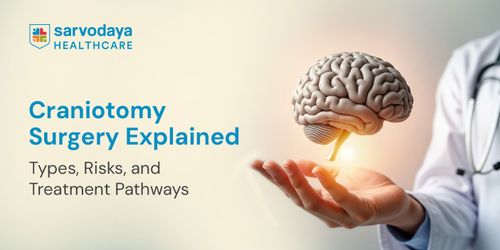
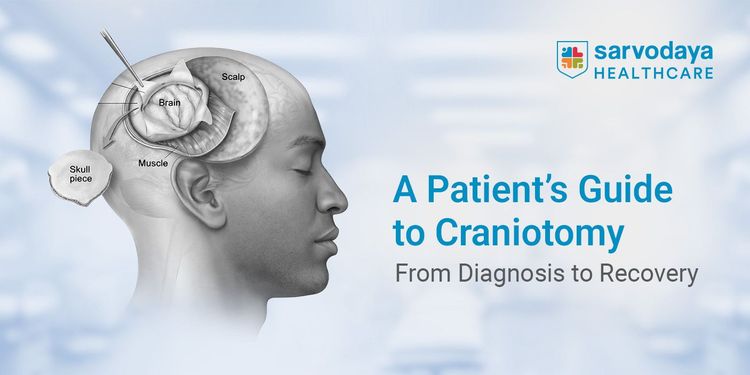
Craniotomy surgery is a medical surgery in which a small section of the skull is temporarily removed to provide direct access to the brain. Once the underlying condition is treated, the bone is carefully placed back and secured.
The term “craniotomy” is derived from Greek words meaning “skull” and “cut”. In clinical practice, a craniotomy operation enables neurosurgeons to diagnose and treat conditions that cannot be managed through medication or non-invasive techniques.
This surgery is commonly performed for:
- Brain tumours
- Traumatic brain injuries
- Brain haemorrhage or blood clots
- Swelling of the brain
- Epilepsy and seizure disorders
- Infections or abscesses
In many cases, craniotomy surgery is life-saving and plays a vital role in restoring neurological function and preventing further damage.
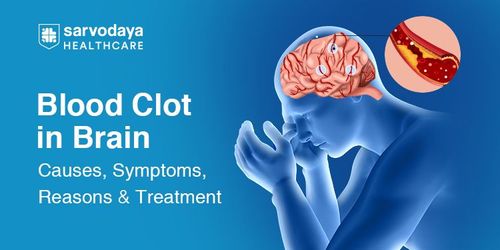
Read More- Blood Clot in Brain: Causes, Symptoms, Reasons & Treatment
The Craniotomy Procedure Explained
A craniotomy is meticulously planned and performed under controlled conditions. Every step is designed to protect healthy brain tissue while effectively addressing the affected area.
Here is a step-by-step overview of a typical craniotomy operation:
- Preoperative Evaluation: Detailed imaging, neurological assessment, and medical tests are conducted.
- Anaesthesia: The patient is placed under general anaesthesia.
- Scalp Incision: A precise cut is made based on the targeted brain region.
- Bone Flap Removal: A small section of the skull is carefully removed.
- Brain Treatment: The surgeon treats the condition, such as removing a tumour or stopping bleeding.
- Bone Replacement: The skull segment is repositioned and secured.
- Closure and Monitoring: The scalp is closed, and the patient is shifted for close observation.
Most craniotomy durations range from three to six hours, depending on the complexity and medical need.
Types of Craniotomy
There are several types of craniotomy, chosen based on the location and nature of the condition.
These include:
- Frontal craniotomy for conditions at the front of the brain
- Temporal craniotomy for memory and speech-related areas
- Parietal craniotomy for sensory and movement centres
- Occipital craniotomy for visual disturbances
- Keyhole craniotomy for minimally invasive access
Each of these types of craniotomy is selected to ensure optimal access while minimising disruption to surrounding brain structures.
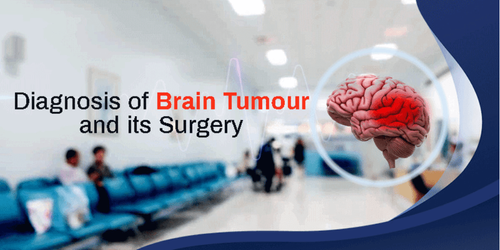
Craniotomy for Brain Tumour
Craniotomy for brain tumour removal is among the most common applications of this surgery. It allows neurosurgeons to directly access the tumour and remove it wholly or partially, depending on its size, type, and location.
This surgery helps:
- Reduce pressure within the skull
- Relieve symptoms such as headaches and seizures
- Improve neurological function
- Enable further treatments like radiotherapy or chemotherapy
With modern imaging and surgical techniques, craniotomy for brain tumours has become safer and more precise, offering improved outcomes and quality of life.
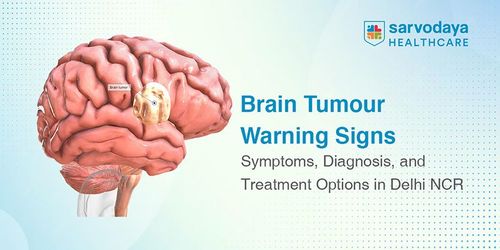
Read More- Brain Tumour Warning Signs: Symptoms, Diagnosis, and Treatment Options in Delhi NCR
Recovery After Craniotomy
Recovery is a gradual and structured process. Craniotomy recovery time varies depending on the patient’s age, overall health, and the complexity of surgery.
The recovery journey usually includes:
- Initial hospital stay for monitoring
- Gradual return of movement and coordination
- Follow-up imaging and neurological evaluations
- Rest at home with activity limitations
- Rehabilitation therapies, if required
While initial healing may take a few weeks, complete craniotomy recovery time may take several months. Patients receive detailed guidance on wound care, medication, and lifestyle adjustments from a skilled neurologist in Greater Noida.
Craniotomy Complications and Side Effects
As with any major surgery, there are risks.
Craniotomy complications may include:
- Infection
- Bleeding
- Brain swelling
- Seizures
- Temporary or permanent neurological changes
Most patients recover without serious issues, particularly when surgery is performed by the best neurologist in Faridabad.
Craniotomy side effects can be short-term or long-term and may involve:
- Fatigue
- Headaches
- Weakness or numbness
- Speech or memory changes
The majority of craniotomy side effects improve over time with appropriate rehabilitation and follow-up care.
Read More- Migraine Headaches: Causes, Treatments, and When to See a Specialist
Conclusion
Craniotomy is more than a surgery; it is a gateway to recovery for patients facing complex brain conditions. By understanding craniotomy surgery, the craniotomy process, recovery expectations, and possible risks, patients and families can approach treatment with clarity and confidence. With expert care, most individuals achieve meaningful improvement and a better quality of life.
Sarvodaya Hospital, Faridabad, stands among the best neurology hospitals in Delhi NCR, offering comprehensive neurological care through advanced infrastructure and an experienced team. Guided by the best neurologist in Delhi NCR, patients receive precise diagnoses, safe surgical treatment, and continuous support. A preventive consultation can help in early diagnosis, better outcomes, and long-term neurological well-being.
Take a confident step towards expert care and book an appointment now to begin your journey towards recovery and peace of mind.