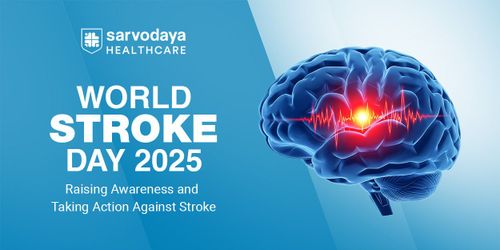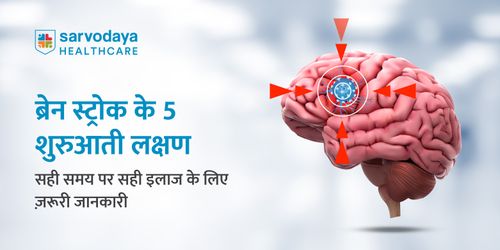



A brain stroke is a serious medical emergency that occurs when the blood supply to the brain is suddenly interrupted or significantly reduced. During colder months, doctors observe that brain stroke risk increases in winter, making seasonal awareness and preventive care especially important for vulnerable individuals.
In this blog, we explain the meaning, outline the clinical understanding of stroke, discuss why brain stroke risk increases in winter, and highlight practical steps for prevention.
Understanding Stroke and Brain Stroke
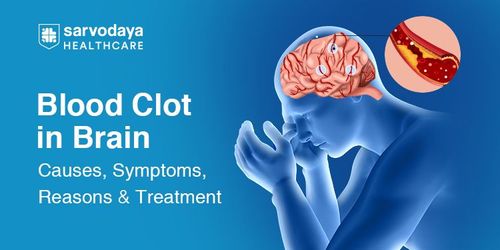
A stroke occurs when blood flow to a part of the brain is blocked or when a blood vessel in the brain ruptures. This interruption prevents oxygen from reaching brain tissue, causing brain cells to begin dying within minutes.
The stroke’s meaning extends beyond paralysis and speech difficulty and may include memory problems, vision loss, imbalance, and cognitive decline. In medical practice, stroke disease is broadly classified into ischaemic stroke, caused by blood clots, and haemorrhagic stroke, caused by bleeding in the brain.
Read More - Early Signs of Stroke You Should Never Ignore: A Neurologist’s Guide to Quick Action
Brain Stroke Causes and Risk Factors
Brain stroke usually develops due to a combination of medical conditions, lifestyle habits, and environmental factors. While some factors cannot be changed, many risks can be effectively managed with medical guidance and healthy lifestyle choices.
The most common brain stroke causes and risk factors include:
- High blood pressure damages blood vessels and increases the risk of blockage or rupture.
- Diabetes and high cholesterol, leading to narrowed or hardened arteries
- Smoking and excessive alcohol consumption, which impair blood circulation
- Obesity and prolonged physical inactivity increase cardiovascular strain.
- Irregular heart rhythms and heart disease raise the likelihood of clot formation.
- Advancing age, family history, and previous episodes of stroke disease
Addressing these risk factors through regular health monitoring, medication adherence, and lifestyle modification plays a key role in reducing the overall risk of stroke.
Read More - All You Need To Know About Brain Strokes
The Reason Why Brain Stroke Risk Increases in Winter
Medical studies and clinical experience consistently show that brain stroke risk increases in winter due to several physiological and behavioural changes associated with cold weather.
Low temperatures cause blood vessels to constrict, leading to increased blood pressure and reduced blood flow to vital organs, including the brain. This vascular constriction raises the likelihood of clot formation and vessel rupture.
Read More - Transient Ischemic Stroke - Causes, Diagnosis, Treatment
Common Symptoms of Stroke
The warning signs of stroke disease often appear suddenly and may worsen rapidly if medical attention is delayed. During winter, when brain stroke risk increases in winter, it becomes even more important to remain alert to these symptoms and act without hesitation.
The most common early warning signs include:
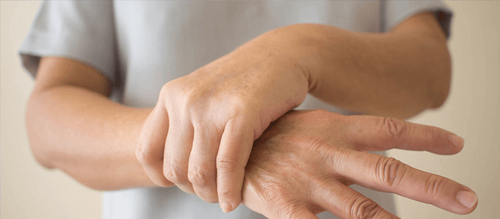
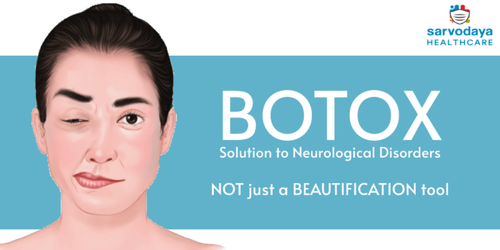
- Sudden weakness or numbness in the face, arm, or leg, usually on one side of the body
- Difficulty speaking, slurred speech, or trouble understanding words
- Sudden vision problems in one or both eyes
- Loss of balance, dizziness, or difficulty walking
- Severe headache with no known cause
Diagnosis and Immediate Medical Care
Accurate diagnosis and prompt treatment are critical in limiting brain damage and improving recovery after a stroke.
The diagnostic and emergency care process typically includes:
- Detailed neurological examination to assess movement, speech, vision, balance, and reflexes
- Brain imaging tests, such as CT scans and MRI scans, are used to confirm the stroke definition, whether a blood clot or bleeding causes the stroke.
- Continuous monitoring of vital signs, including blood pressure and oxygen levels
- Rapid decision-making to determine eligibility for emergency treatments
Consulting at the best neurology hospital in Delhi NCR ensures access to advanced diagnostic facilities and coordinated stroke care teams, which are essential for effective treatment and rehabilitation.
Prevention of Brain Stroke During Winter
Seasonal changes affect blood pressure, circulation, and daily routines, making it essential to adopt preventive measures that protect brain and heart health.
Key preventive steps include:
- Maintaining optimal blood pressure through regular monitoring and prescribed medication
- Managing diabetes and cholesterol levels under medical supervision
- Staying physically active indoors to maintain circulation
- Keeping the body well hydrated despite reduced thirst in winter
- Avoiding smoking and limiting alcohol consumption
These measures significantly reduce exposure to common brain stroke causes and help maintain overall neurological health during winter.
Conclusion
Brain stroke remains one of the leading causes of long-term disability and neurological complications worldwide. As medical evidence shows that brain stroke risk increases in winter, individuals must be especially cautious during colder months by monitoring blood pressure, staying active, and seeking timely medical advice.
Sarvodaya Hospital, Faridabad, plays a crucial role in the prevention, diagnosis, and treatment of stroke disease. With a dedicated neurology department, advanced diagnostic facilities, and access to the best neurologist in Delhi NCR and other experienced specialists, the hospital provides comprehensive stroke care under one roof.
Take a proactive step towards brain health and book an appointment now with a trusted neurologist in Noida for timely guidance and treatment.