


Our brain controls everything and is called the control centre of the body. Every thought, memory, emotion, movement, heartbeat, and breath is coordinated by this remarkable organ. Even though it supports almost every function and movement of our body, people often neglect taking care of their brain health until symptoms become severe and require medical intervention.
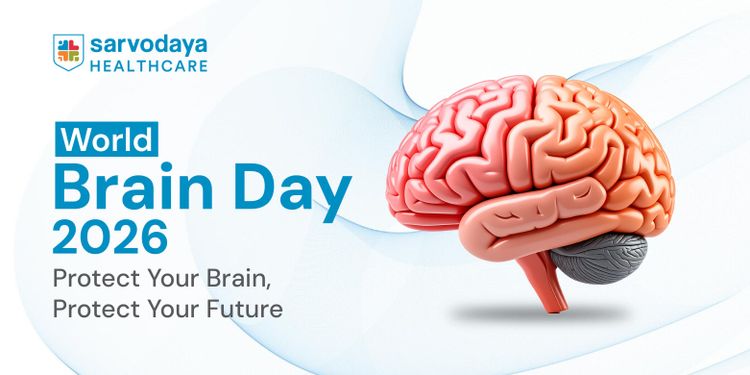
World Brain Day 2026 serves as a global reminder that prioritising brain health awareness can help prevent many neurological conditions and improve quality of life.
Besides being the body's control centre, the brain is one of the most sensitive and delicate organs. Moreover, Neurological disorders are among the leading causes of disability worldwide. From stroke and epilepsy to Parkinson's disease, dementia, brain tumours, and multiple sclerosis, early diagnosis and timely intervention can significantly improve outcomes.
Understanding the early signs of brain disorders, adopting healthy habits, and seeking expert medical care when needed are the first steps towards protecting your brain.
In this blog, let us understand the importance of World Brain Day, its theme, and how to take care of your brain.
What is World Brain Day?
World Brain Day is an annual event celebrated every year on 22nd July to raise global awareness about neurological health and encourage people to recognise the importance of preventing, diagnosing, and treating brain disorders at an early stage.
The campaign highlights the need for timely medical attention, improved access to neurological care, and education about conditions that affect the brain, spine, and nervous system. World Brain Day 2026 continues this mission by encouraging individuals to make brain health a lifelong priority.
Theme for World Brain Day 2026: “Brain Health: Access for All”
The theme for World Brain Day 2026, "Brain Health: Access for All," highlights the urgent need to make quality neurological care, timely diagnosis, rehabilitation, and preventive services accessible to everyone, regardless of age, income, or location.
Millions of people worldwide continue to face barriers in accessing essential brain healthcare, leading to delayed diagnosis and poorer outcomes for conditions such as stroke, epilepsy, dementia, Parkinson's disease, migraine, and other neurological disorders.
The 2026 theme calls for stronger healthcare systems, increased public awareness, equitable access to neurologists and advanced diagnostic facilities, and policies that prioritise brain health.
It also raises awareness for early evaluation of brain conditions in the initial stages, so that the conditions can be managed promptly, and the patients can live a healthy life.
Why Brain Health Matters?
Your brain influences every aspect of your daily life, including memory and learning, speech and communication, movement and coordination, decision-making, emotional well-being, vision and hearing, and sleep and concentration.
When the brain is affected by any disease or injury, even routine activities can become challenging. This is why brain health awareness is essential at every age, from children to older adults.
Common Neurological Disorders
Many neurological diseases develop gradually, while others occur suddenly and require emergency care. Early diagnosis allows the neurologists to initiate the most appropriate treatment for the brain disorder before complications arise.
Some of the most common brain conditions include:
● Stroke
● Epilepsy
● Parkinson's disease
● Alzheimer's disease and dementia
● Migraine and chronic headaches
● Brain tumours
● Multiple sclerosis
● Peripheral neuropathy
● Brain infections
● Spine disorders affecting nerves
Early Signs of Brain Disorders That Should Not Be Ignored
Many people dismiss neurological symptoms as stress, fatigue, or ageing. However, recognising the early signs of brain disorders can make a significant difference. If you recognise any unusual signs or symptoms, talk to the best neurologist near you for early intervention and management.
Some of the signs of brain disorders that one should not ignore include:
● Persistent or severe headaches
● Sudden weakness or numbness in the face, arm, or leg
● Difficulty speaking or understanding speech
● Loss of balance or coordination
● Frequent dizziness
● Vision changes or double vision
● Memory problems
● Personality or behavioural changes
● Unexplained seizures
● Tremors or involuntary movements
● Difficulty swallowing
● Persistent tingling or numbness
Brain Disease Symptoms That Require Emergency Care
Certain brain disease symptoms indicate a medical emergency and should never be ignored.
These include:
● Sudden facial drooping
● Arm weakness
● Slurred speech
● Sudden confusion
● Loss of consciousness
● Sudden severe headache, unlike any previous headache
● Seizures lasting several minutes
● Sudden loss of vision
● Sudden inability to walk
Prompt treatment can save brain cells and improve recovery.
Stroke Prevention Tips Everyone Should Follow
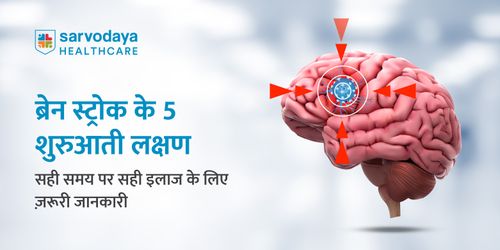
Stroke remains one of the leading causes of disability and death, but many strokes can be prevented through healthy lifestyle choices. It is first very important to recognise the symptoms of stroke and then take necessary actions promptly to save someone’s life.
The easiest way to identify a stroke is to remember the FAST warning signs:
● F – Face drooping
● A – Arm weakness
● S – Speech difficulty
● T – Time to call emergency services
Follow these essential stroke prevention tips:
● Keep blood pressure under control.
● Manage diabetes effectively.
● Maintain healthy cholesterol levels.
● Avoid smoking and tobacco.
● Limit alcohol intake.
● Exercise regularly.
● Eat a balanced diet rich in fruits, vegetables, whole grains, and healthy fats.
● Maintain a healthy weight.
● Get adequate sleep.
● Manage stress through mindfulness, yoga, or relaxation techniques.
● Never ignore the warning signs of a stroke.
Memory Loss: When Is It Normal and When Should You Be Concerned?
Occasional forgetfulness is common, especially during periods of stress or lack of sleep. However, progressive memory loss that interferes with daily life requires medical attention.
Signs that may require evaluation include:
● Frequently forgetting recent conversations
● Repeating questions
● Difficulty recognising familiar people
● Misplacing important items repeatedly
● Confusion about time or place
● Difficulty performing familiar tasks
Early evaluation allows doctors to identify the cause and recommend appropriate memory loss treatment, which may include medications, cognitive rehabilitation, lifestyle modification, or treatment of underlying medical conditions.
How Your Lifestyle Affects Brain Health
Many neurological disorders are influenced by lifestyle choices. Sedentary lifestyle, anxiety, stress, eating processed foods, less consumption of brain-healthy foods, smoking, drinking, less water intake, and poor sleep all contribute to poor brain health, eventually leading to memory loss and other neurological conditions.
You can naturally support brain health by improving your lifestyle by following the given tips:
● Exercising for at least 150 minutes each week
● Eating a Mediterranean-style diet
● Getting 7–8 hours of quality sleep
● Reading, solving puzzles, and learning new skills
● Staying socially active
● Managing stress effectively
● Avoiding smoking and recreational drugs
● Keeping blood pressure, blood sugar, and cholesterol under control
● Undergoing regular health check-ups
When Should You See a Neurologist?
Many people delay consultation until symptoms become severe. Knowing when to see a neurologist can help prevent complications. Early consultation can help with preventive measures to avoid the onset of brain conditions, and early diagnosis can help with timely treatment and management.
Consult a neurologist if you experience:
● Recurrent headaches
● Seizures
● Memory decline
● Persistent dizziness
● Numbness or tingling
● Muscle weakness
● Tremors
● Difficulty walking
● Speech problems
● Frequent fainting
● Balance disorders
● Sleep disorders linked to neurological conditions
Advanced Brain Disorder Treatment at Sarvodaya Hospital
The Centre for Neurosciences at Sarvodaya Hospital offers comprehensive care for neurological and neurosurgical conditions under one roof. Backed by the expert team of neurologists, neurosurgeons, paediatric neurologists, rehabilitation experts and more, the centre offers treatment for all neurological and neurosurgical conditions, with advanced treatment and modern technology.
Our services include:
● Stroke management
● Epilepsy care
● Parkinson's disease treatment
● Dementia and memory clinics
● Brain tumour management
● Spine surgery
● Neuro-critical care
● Neuro-rehabilitation
● Advanced neuroimaging
● Electrophysiological studies
● Minimally invasive brain surgery
A multidisciplinary team works together to create personalised treatment plans focused on better recovery and improved quality of life.
Expert Neurological Care Close to You
If you are looking for a Neurology Hospital in Faridabad or a Neurology Hospital in Greater Noida West, Sarvodaya Hospital provides comprehensive neurological services supported by experienced specialists and advanced technology.
Patients searching for the Best Neurologist in Faridabad or the Best Neurologist in Greater Noida West can access specialised evaluation and treatment for a wide range of neurological conditions, including stroke, epilepsy, Parkinson's disease, dementia, headaches, movement disorders, neuropathies, and other complex brain disorders.
World Brain Day 2026: Every Brain Matters
This World Brain Day 2026, make your brain health a priority. Listen to your body, recognise warning signs early, and never ignore persistent neurological symptoms.
Whether it is preventing stroke, seeking timely memory loss treatment, managing chronic neurological conditions, or accessing expert brain disorder treatment, early intervention can make a life-changing difference.
How You Can Support World Brain Day 2026
Everyone can play a role in promoting brain health and supporting the message of World Brain Day.
● Adopt healthy lifestyle habits such as eating a balanced diet, exercising regularly, getting adequate sleep, managing stress, avoiding tobacco, and limiting alcohol consumption.
● Learn to recognise the early signs of neurological conditions like stroke, dementia, and epilepsy.
● Encourage timely medical consultation when symptoms arise.
● Spread awareness about brain health through conversations, social media, community events, or workplace initiatives.
● Organise events and programs to raise awareness of the importance of brain health.
● Stay informed and support the caregivers.