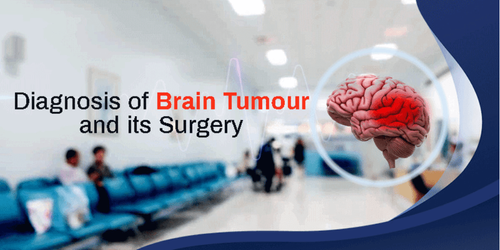



Craniotomy is a critical surgery involving temporarily removing a bone flap from the skull to access the brain. This medical surgery is required to diagnose or treat complicated neurological conditions.
In this blog, we explore the craniotomy surgery procedure, including the types of craniotomy surgery, and essential craniotomy indications and treatment.
Understanding the Craniotomy Surgery
A craniotomy is a highly specialised surgical technique in which a bone flap, a portion of the skull, is temporarily removed to provide the surgeon access to the brain. This medical surgery is crucial for the treatment of numerous neurological disorders that cannot be resolved by non-invasive methods.
To safely expose brain tissue and carry out the required repairs, the craniotomy surgery process requires extreme precision. The bone flap is firmly restored and cemented into place to allow the skull to recover when the craniotomy indications and treatment objectives are satisfied.
Read More- Early Signs of Stroke You Should Never Ignore: A Neurologist’s Guide to Quick Action
Types of Craniotomy Surgery
Several patient-specific craniotomy techniques have been made possible by advances in medicine. The extent of the damage determines which of these neurosurgical techniques to use.
Typical craniotomy surgeries carried out by neurosurgeons:
- Bifrontal Craniotomy: Often used in craniotomies to treat brain tumours, this surgery involves removing a bone flap behind the hairline.
- Keyhole Craniotomy: A minimally invasive craniotomy procedure that requires a tiny incision and greatly shortens the healing period following brain surgery.
- Awake Craniotomy: During some neurosurgical brain surgery techniques, awake craniotomies are used to carefully assess neurological functions while the patient is conscious.
- Stereotactic Craniotomy: This extremely accurate, minimally invasive method uses advanced imaging to direct the craniotomy surgery process.
The Need for Surgery
Before recommending a craniotomy, medical professionals meticulously assess a patient to identify their particular indications and therapy pathways. The main objective is always to maintain neurological function while successfully treating life-threatening or incapacitating conditions.
A craniotomy may be necessary for the following common reasons:
- Removing unwanted growths; this surgery is frequently used as a craniotomy for brain tumour treatment.
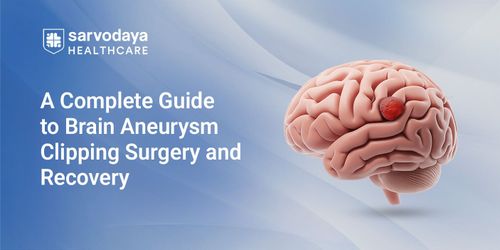
- Repairing blood arteries, such as cerebral aneurysms, that are ruptured or unruptured.
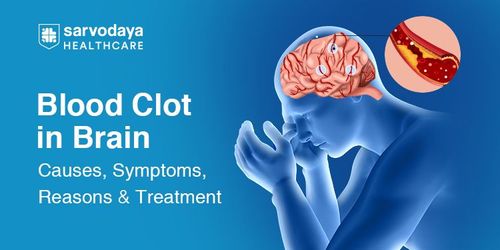
- Draining haemorrhages or blood clots that form after severe head injuries.
- Reducing severe intracranial pressure brought on by an illness or oedema.
- Treating complicated neurological conditions, such as nerve compression or severe epilepsy.
Read More- Migraine Headaches: Causes, Treatments, and When to See a Specialist
Surgery Process
A committed group of professionals, including a skilled neurosurgeon, anaesthetists, and surgical nurses, collaborate to ensure patient safety during the highly coordinated craniotomy surgery. The entire surgery is carefully organised by using sophisticated imaging methods to determine the precise region of the brain in need of surgery.
The following are the typical steps in the surgery:
- Administering general anaesthesia to keep the patient totally unconscious and pain-free, while a conscious approach may be used in certain situations.
- The precise area of the scalp where the incision is to be made should be shaved and sterilised.
- Making a precise cut to expose the skull bone and fold back the scalp.
- To safely access the brain tissue, a temporary bone flap must be removed using specialised surgical drills.
- Carrying out the required medical remedy, such as cutting an aneurysm or removing a lesion.
- Before suturing the scalp shut, the bone flap is secured back into place using microscopic titanium plates and screws.
Read More- Constant and Frequent Headaches: Knowing When to Seek Expert Help
Potential Risks and Complications
Patients must be informed about the potential craniotomy risks and complications. Discussion with a skilled neurosurgeon in Greater Noida can help you understand what to anticipate better.
Complications and dangers associated with craniotomies include:
- Infection: Infection is rare in a facility that performs advanced brain surgery; however, it is a concern that calls for preventive measures.
- Bleeding: Needs careful observation in a neurosurgical care facility 24/7.
- Neurological Deficits: Temporary changes in speech or mobility may occur depending solely on the craniotomy indications and treatment.
- Seizures: Following a craniotomy, post-operative seizures are a common risk of craniotomy that are typically treated with medication.
Recovery After Surgery
Your baseline health, the underlying illness being treated, and the particular surgical technique used all have a significant impact on the total recovery period following brain surgery. Patients are carefully monitored around the clock in a neurosurgical care facility to control pain, monitor vital signs, and avoid urgent complications.
Important stages of the recovery process usually include:
- Being continuously monitored neurologically for the first few days in a critical care unit.
- Once stabilised, the patient moves to a standard hospital ward where early occupational and physical rehabilitation is initiated.
- Post-operative swelling and discomfort with prescribed medications under the supervision of a brain surgery specialist.
- Adhering to strict at-home care guidelines, which include protecting, drying, and cleaning the incision site.
- Attending routine follow-up visits to evaluate the patient's recovery and gradually clear the patient for normal daily activities.
Conclusion
From severe trauma to targeted craniotomy for brain tumour treatment, a craniotomy is a life-saving procedure. It is important to be knowledgeable about the surgery, its types and craniotomy risks and complications to ensure a safe and healthy recovery.
At Sarvodaya Hospital, Faridabad, we provide world-class care for all neurosurgery brain surgery procedures. As an advanced brain surgery hospital and a trusted 24/7 neurosurgery care hospital, we offer comprehensive craniotomy indications and treatment plans. Equipped for traditional and minimally invasive craniotomy surgery, and supported by the top neurosurgeon in Faridabad, our patients benefit from precise surgical execution and proactive preventive consultations that manage long-term neurological health effectively.
Take the first step towards better neurological health and book an appointment now to discuss your care options.