


The knee is one of the most frequently used joints in the body, bearing weight with each step, run, and turn we take. This makes it extremely susceptible to injury, particularly during sports, accidents, or sudden, uncomfortable movements. Ligament tears are among the most frequent knee injuries, ranging from moderate sprains to full ruptures that require surgical repair.
In this blog, we explore the knee ligament tear symptoms, the underlying knee ligament tear causes, available treatment options, and what patients can realistically expect during recovery.
Understanding Knee Ligament Injuries
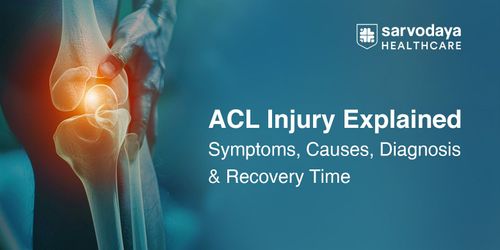
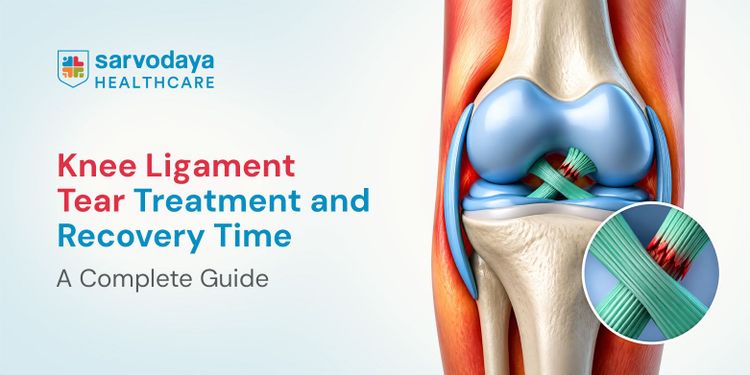
The four major knee ligaments, the anterior cruciate ligament, the posterior cruciate ligament, the medial collateral ligament, and the lateral collateral ligament, work together to keep the knee stable while it moves. Knee ligament injuries occur when these structures are stretched beyond their capacity or torn by excessive force.
These injuries are particularly common in sports, although they can also occur during regular tasks like skipping a stride or twisting awkwardly while walking.
Recognising the Symptoms
Identifying an injury early can make a meaningful difference to recovery outcomes.
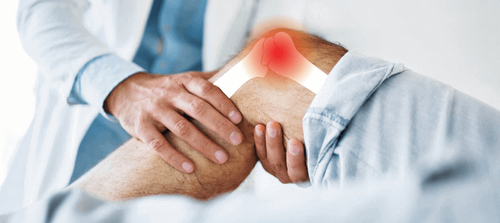
Common knee ligament tear symptoms include:
- A popping sound at the moment of injury, followed by sudden pain.
- Swelling that develops within hours of the injury.
- A feeling of instability or the knee giving way during movement.
- Difficulty bearing weight on the affected leg.
- Restricted range of motion in the joint.
Patients experiencing these signs should avoid putting further strain on the knee and seek medical evaluation from a trusted orthopaedic doctor in Faridabad promptly, since delayed diagnosis can worsen the underlying damage.
Causes of Knee Ligament Tears
Several factors can contribute to knee ligament tear causes, and recognising them can help reduce the likelihood of injury.
Common causes include:
- Sudden changes in direction during sports, particularly in football, basketball, or badminton.
- Direct impact or collision, such as a blow to the knee during contact sports or a fall.
- Landing awkwardly from a jump, placing uneven pressure on the joint.
- Hyperextension of the knee, where the joint is forced beyond its natural range of motion.
- Age-related wear and tear gradually weakens the ligament structure over time.
- Previous knee injuries have left the joint more vulnerable to re-injury.
- Weak supporting muscles around the knee reduce overall joint stability.
Diagnosis and Treatment Approaches
A thorough clinical examination combined with imaging such as MRI scans allows specialists to accurately assess the extent of ligament damage.
Based on this assessment, doctors recommend the right knee ligament tear treatment plan tailored to the severity of the injury and the patient's lifestyle requirements:
- For mild to moderate sprains, non-surgical management is often sufficient. This typically involves rest, ice application, compression bandaging, and elevation of the leg, alongside physiotherapy to restore strength and flexibility. Bracing may also be used to provide additional support while the ligament heals naturally.
- For more severe or complete tears, particularly those affecting the anterior cruciate ligament, knee ligament tear surgery is often recommended, especially for younger and physically active patients who wish to return to sport or demanding physical work. Surgical reconstruction typically involves replacing the damaged ligament with a graft, followed by a structured rehabilitation programme.
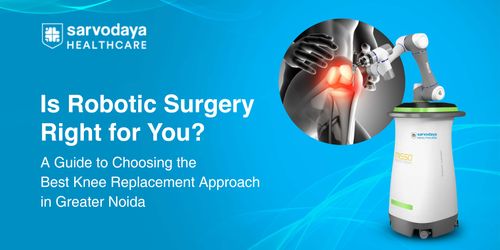
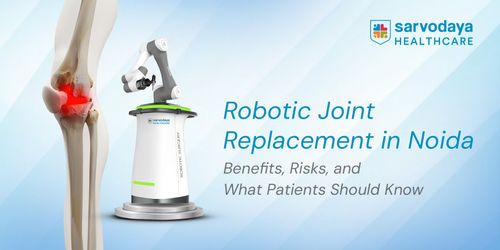
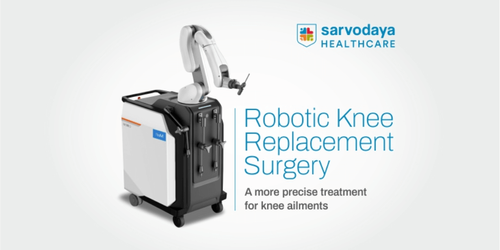
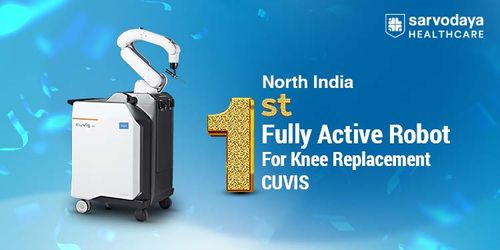
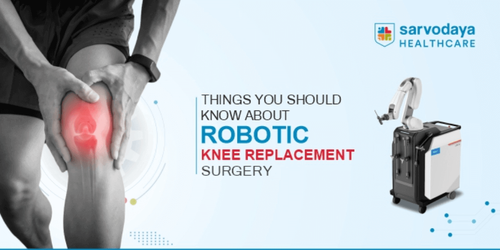
Many hospitals now offer robotic-assisted knee surgery as an advanced alternative to conventional techniques. Compared to traditional methods, robotic systems allow for greater surgical precision, minimal tissue and ligament damage, reduced blood loss, and a noticeably faster return to mobility.
Recovery Timeline
Patients who get non-surgical treatment for small sprains may recover in a matter of weeks, whereas those who have had ligament restoration surgery often require several months of structured rehabilitation.
The general recovery phases are:
- Initial recovery takes two to six weeks, with an emphasis on lowering oedema and restoring basic movement.
- The strengthening phase lasts six weeks to three months, during which PT is intensified to develop muscle support.
- Functional recovery typically takes three to six months and includes balancing training and a gradual return to normal activity.
- Returning to sport or rigorous exercise may take six to twelve months, depending on the individual's progress and activity demands.
Consistent physiotherapy and medical advice from the best orthopaedic surgeon in Noida have a big impact on how smoothly and quickly recovery proceeds.
Conclusion
Knee ligament injuries, whether moderate sprains or full ruptures, can severely limit daily life and physical activities. However, with proper diagnosis and effective treatment, most patients recover well and can resume their daily routines, including sports, in due course.
Sarvodaya Hospital, Faridabad, the most reputable orthopaedic hospital in Delhi, is recognised for its comprehensive orthopaedic care, offering expert evaluation and treatment for knee ligament injuries ranging from conservative management to advanced surgical reconstruction. The hospital's team of skilled total knee replacement surgeons uses modern diagnostic tools to accurately assess injury severity and design individualised treatment plans. The hospital also offers robotic-assisted knee surgery, providing patients with greater surgical precision, minimal ligament and tissue damage, reduced blood loss, and faster mobility compared to conventional surgical methods.
If you are experiencing knee pain, swelling, or instability, do not wait for the condition to worsen. Book an appointment now with our orthopaedic team to receive expert guidance and begin your path towards a stronger, healthier knee.