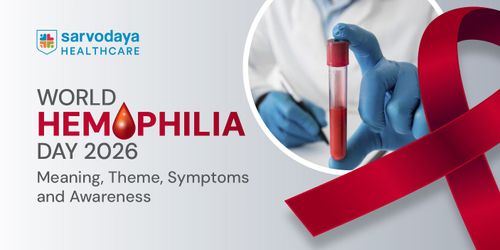



Every year on June 19th, communities, healthcare providers, and policymakers around the world gather to commemorate World Sickle Cell Awareness Day, a globally recognised event dedicated to raising awareness about sickle cell disease, one of the most common inherited blood disorders affecting millions of people worldwide. This occasion is especially meaningful in India, where sickle cell disease has a significant impact on tribal and rural people.
In this blog, we explore the importance of World Sickle Cell Day, the key symptoms and management of sickle cell disease, and how patients across Delhi NCR can access specialist haematological care.
Understanding Sickle Cell Disease
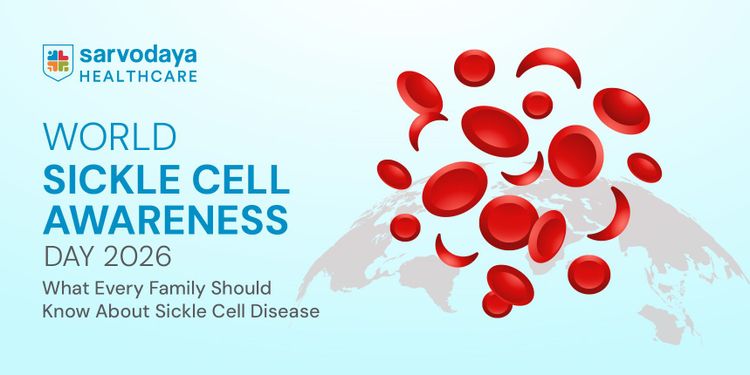
Sickle cell disease is a genetic blood ailment caused by a mutation in the gene that produces haemoglobin, a protein found in red blood cells that transports oxygen throughout the body. Red blood cells in a healthy person are disc-shaped and flexible, allowing them to flow easily through blood channels. In sickle cell disease, these cells stiffen and form a crescent or sickle shape. They cluster together, impede blood flow, and degrade far faster than normal cells, causing anaemia and periods of severe pain known as sickle cell crises.
The condition is inherited when a child receives the mutated gene from both parents. Those who inherit it from only one parent are known as carriers of the sickle cell trait; they typically experience no symptoms but can pass the gene on to their children. Genetic counselling is therefore an important preventive tool for at-risk couples.
The Significance of World Sickle Cell Day 2026
World Sickle Cell Day 2026 is on June 19th, a date that has had international significance since the United Nations designated it as a day of global awareness. The 19th of June is now recognised as World Sickle Cell Day in over 100 countries, with hospital screenings, community campaigns, educational seminars, and public health efforts.
The World Sickle Cell Day theme 2026 is "Closing the Survival Gap: Equity in Sickle Cell Care", a call that underscores the urgent need for equal access to sickle cell diagnosis and treatment across all regions and income levels. This theme resonates profoundly within the Indian context, where states such as Odisha, Chhattisgarh, Madhya Pradesh, Maharashtra, and Gujarat record among the highest prevalence of the condition, yet access to specialist care in many of these areas remains limited.
Recognising the Symptoms of Sickle Cell Disease
Symptoms of sickle cell disease can appear as early as six months of age and range in severity from person to person.
Common symptoms include:
- Recurring episodes of acute pain, typically affecting the chest, back, abdomen, and limbs, known as sickle cell crises
- Persistent anaemia resulting in fatigue, paleness, and shortness of breath
- Jaundice characterised by yellowing of the skin and the whites of the eyes
- Swelling and pain in the hands and feet, particularly in infants and young children
- Delayed growth and delayed onset of puberty
- Increased susceptibility to bacterial infections
- Visual disturbances caused by blocked blood vessels supplying the eyes
Spreading Sickle Cell Awareness Across Communities
Sickle cell awareness can be spread by providing genetic counselling services to couples who are known carriers, campaigning for newborn screening to be included in routine health checks, and sharing verifiable health information via community networks and digital platforms.
India's National Sickle Cell Anaemia Elimination Mission, which began in 2023, is a substantial policy commitment. Sustained sickle cell awareness at the community level is critical for turning commitment into measurable improvements in patient outcomes.
Treatment and the Role of Specialist Care
Sickle cell disease is a lifelong condition; constant medical care can greatly lessen its symptoms and enhance quality of life.
Treatment approaches include:
- Hydroxyurea therapy, which reduces the frequency of painful crises and the need for blood transfusions
- Regular blood transfusions to manage chronic anaemia and lower the risk of stroke
- Bone marrow or stem cell transplantation is currently the only established curative option for eligible patients
- Preventive antibiotic therapy and vaccination programmes to reduce infection risk
- Personalised pain management protocols addressing both acute crises and chronic discomfort
Access to a prominent haematologist in Delhi NCR guarantees that patients obtain an accurate diagnosis as well as evidence-based, customised treatment strategies.
Conclusion
Sickle cell disease affects millions of people worldwide, but it goes undiagnosed and untreated in many places. Marking World Sickle Cell Awareness Day every year is an important and vital step toward altering this reality.
Sarvodaya Hospital, Faridabad, is a trusted name in haematological care and is recognised as the top haematology hospital in India, offering comprehensive services for patients living with sickle cell disease and related blood disorders. With a dedicated team of experienced haematologists, genetic counsellors, and allied health professionals, the hospital provides everything from newborn screening and carrier testing to long-term disease management and crisis care.
If you or a member of your family is living with sickle cell disease or has concerns about a hereditary blood disorder, do not delay. Reach out to our expert team and book an appointment now to access compassionate, dedicated haematological support.