


A brain tumour diagnosis can feel overwhelming for patients and their families, but it is also the first step towards clarity, treatment planning and timely care. Today, advances in modern medical technology have significantly improved how these conditions are detected, evaluated and treated. High-resolution imaging and specialised neurological assessments and multidisciplinary evaluation now help doctors identify the tumour’s location, size, type and likely behaviour, supporting more informed treatment decisions.
That said, understanding what to expect during the diagnostic journey can help reduce uncertainty for both patients and their families. In this article, we’ll explain the early warning signs of a brain tumour, when to seek medical attention, the tests doctors may recommend and how a confirmed diagnosis helps guide further treatment planning.
What is a Brain Tumour?
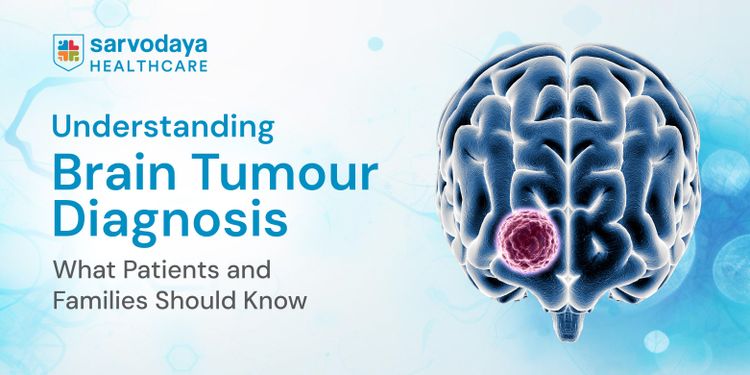
A brain tumour is an abnormal growth of cells within the brain or the tissues surrounding it. These growths can interfere with normal brain function by putting pressure on nearby structures or affecting areas responsible for movement, speech, vision, memory and other essential functions. The impact of a brain tumour often depends on its size, location and how quickly it grows.
Brain tumours are broadly classified into two types:
- Benign brain tumours: These are non-cancerous and generally grow slowly. Although they do not spread to other parts of the body, they can still cause significant symptoms if they press on important areas of the brain.
- Malignant brain tumours: These are cancerous tumours that tend to grow more rapidly and may invade surrounding brain tissue, requiring prompt and specialised treatment.
Brain tumours may also be primary, meaning they originate in the brain, or secondary (metastatic), where cancer has spread to the brain from another part of the body.
Because the brain controls many vital functions, even a small tumour can produce noticeable symptoms depending on where it develops. Recognising these symptoms early and seeking medical evaluation can help ensure timely diagnosis and appropriate brain tumour treatment.
Recognising the Warning Signs of a Brain Tumour
Brain tumour symptoms are usually grouped into two broad categories: general symptoms and focal symptoms. General symptoms may occur when a tumour increases pressure inside the skull and can include persistent headaches, nausea, vomiting and drowsiness. Focal symptoms develop when a tumour affects a specific area of the brain, leading to problems such as weakness, speech difficulties, vision changes or seizures.
Recognising the pattern of symptoms helps doctors identify which areas of the brain may be affected and decide which diagnostic tests may be needed. Some of the common warning signs of a brain tumor include:
Persistent or Worsening Headaches
Headaches associated with a brain tumour are often different from usual headaches. They may become more frequent, gradually worsen over time, or be more noticeable in the morning. Some people may also experience headaches that are accompanied by nausea or vomiting.
Seizures
A first-time seizure in an adult is one of the most important warning signs that requires prompt medical assessment. Seizures may involve uncontrollable movements, temporary loss of awareness, staring spells or unusual sensations, depending on the area of the brain affected.
Vision, Speech or Hearing Changes
A brain tumour can affect the parts of the brain responsible for processing sensory information. This may lead to blurred or double vision, difficulty speaking or understanding language, hearing problems, or ringing in the ears.
Weakness, Numbness or Difficulty Moving
Weakness or numbness in the face, arm or leg, particularly on one side of the body, may occur if the tumour affects areas that control movement or sensation. Some people may also notice reduced coordination or difficulty performing everyday tasks.
Balance and Coordination Problems
Tumours affecting the cerebellum or other regions involved in balance can cause dizziness, unsteadiness while walking or difficulty with coordination. These symptoms may increase the risk of falls and interfere with routine activities.
Persistent Nausea or Vomiting
Ongoing nausea or vomiting, especially when it occurs without an obvious digestive cause or is accompanied by headaches or other neurological symptoms, may indicate increased pressure within the skull and should be medically evaluated.
Changes in Memory, Behaviour or Personality
Some brain tumours can affect thinking, emotions and behaviour. Individuals may experience memory problems, confusion, difficulty concentrating, mood changes or noticeable alterations in personality that are uncharacteristic of their usual behaviour.
When Should You See a Doctor?
Experiencing one or more neurological symptoms does not always mean it is a brain tumour. However, symptoms that feel unusual, continue over time, become more frequent, or gradually worsen should not be ignored. Seeking timely medical consultation can help identify the underlying cause and determine whether further evaluation, imaging, or specialist care is needed.
Book a Consultation If:
- Symptoms persist for several days or continue to worsen.
- Headaches or neurological symptoms interfere with your daily activities.
- Symptoms keep returning despite initial treatment.
- You notice a gradual change in your memory, speech, vision or coordination.
Seek Immediate Medical Attention If:
- You experience a first-time seizure.
- You suddenly develop severe weakness, confusion or difficulty speaking.
- You lose consciousness or experience a sudden, severe neurological change.
Why Early Medical Assessment is Important
Many neurological conditions share similar symptoms, making it difficult to determine the exact cause without a proper medical evaluation. Instead of relying on symptoms alone, doctors use a combination of clinical assessment and diagnostic investigations to reach an accurate diagnosis and recommend appropriate treatment.
If you are experiencing persistent, unusual, or concerning neurological symptoms, the neurology team at Sarvodaya Hospital can provide a comprehensive clinical evaluation supported by advanced diagnostic technologies to help identify the cause and guide the next steps in care.
How is a Brain Tumour Diagnosed?
Diagnosing a brain tumour involves a systematic evaluation rather than a single test. Since many neurological conditions can produce similar symptoms, doctors gather information from your medical history, clinical examination and diagnostic investigations before confirming a diagnosis. Each step helps build a clearer understanding of the condition and guides the most appropriate treatment plan.
Medical History and Symptom Assessment
The diagnostic process begins with a detailed discussion about your symptoms, including when they started, how they have changed over time and how they affect your daily life. The treating doctor may also ask about your medical history, current medications, previous illnesses and any family history of neurological conditions.
Physical and Neurological Examination
A neurological examination helps assess how well your brain and nervous system are functioning. Depending on your symptoms, your doctor may evaluate:
- Vision and eye movements
- Hearing and speech
- Muscle strength and sensation
- Balance and coordination
- Reflexes
- Memory, concentration and other cognitive functions
The findings from this examination help identify which areas of the brain may be affected and determine whether further investigations are required.
Advanced Diagnostic Investigations
If a brain tumour is suspected, the treating doctor will recommend appropriate imaging tests to obtain detailed pictures of the brain. These scans help identify the presence of a tumour, assess its size and location, and provide important information for treatment planning. In some cases, additional tests, such as a biopsy, may be required to confirm the exact type of tumour.
Brain Imaging Tests
Brain imaging plays a central role in diagnosing a brain tumour and planning the most appropriate course of treatment. Depending on your symptoms and clinical findings, the doctors may recommend one or more of the following investigations.
CT Scan
A computed tomography (CT) scan is often the first imaging test performed, particularly when rapid assessment is needed. Using X-rays, the scan creates detailed cross-sectional images of the brain that can help detect bleeding, swelling, larger tumours and other structural abnormalities that require immediate medical attention.
3T MRI Scan
A 3 Tesla magnetic resonance imaging (3T MRI) scan is one of the most valuable imaging tools for evaluating brain tumours because it offers greater clarity of soft tissues. It provides highly detailed images of the brain using a powerful magnetic field and radio waves that help doctors determine the tumour's size, precise location, relationship to surrounding brain structures and features that are important for treatment planning.
PET-CT Scan
A positron emission tomography-computed tomography (PET-CT) scan combines metabolic and anatomical imaging to provide additional information about abnormal tissue. While it is not required for every patient, it may be recommended in selected cases to help distinguish active tumour tissue from treatment-related changes, assess tumour recurrence or evaluate whether cancer has spread to the brain from another part of the body.
Each imaging test serves a different purpose, and doctors may use them together to obtain a comprehensive understanding of the tumour. The information gathered from these investigations helps determine whether additional tests, such as a biopsy, are required and supports the development of a personalised treatment plan.
When is a Brain Biopsy Needed?
While imaging tests provide valuable information about the presence, size and location of a brain tumour, they may not always determine its exact type or grade. When imaging alone cannot provide sufficient information, a brain biopsy may be recommended to obtain a small sample of tumour tissue for laboratory analysis. Examining this tissue under a microscope helps confirm the diagnosis and provides essential information that guides treatment planning.
Depending on the tumour's location and the planned course of treatment, doctors may recommend one of the following biopsy procedures:
- Surgical Biopsy: If surgery is already planned to remove all or part of the tumour, the tissue removed during the procedure is sent to a laboratory for detailed analysis. This allows doctors to confirm the tumour type while also treating the condition whenever possible.
- Stereotactic Needle Biopsy: When a tumour is located deep within the brain or in an area where surgery may not be immediately appropriate, a stereotactic needle biopsy may be recommended. Using advanced imaging guidance, a thin needle is inserted through a small opening in the skull to collect a tissue sample with a high level of precision while minimising damage to surrounding healthy tissue.
What Does the Biopsy Reveal?
The tissue sample is examined by a neuropathologist to identify important characteristics of the tumour, including:
- Whether the tumour is benign or malignant
- The specific type of brain tumour
- The tumour grade, which indicates how aggressively it is likely to behave
- Molecular and genetic features that may influence treatment decisions
These findings provide the definitive diagnosis and help the multidisciplinary team develop a personalised treatment plan, which may include surgery, radiotherapy, chemotherapy, targeted therapy or a combination of these approaches.
The Specialists Involved in Diagnosing a Brain Tumour
Diagnosing a brain tumour is a collaborative process that brings together specialists from multiple disciplines. By reviewing clinical findings, imaging results and biopsy reports collectively, the care team can establish an accurate diagnosis and develop a personalised treatment plan. This multidisciplinary approach helps ensure that every aspect of the patient's condition is carefully considered before treatment begins.
Neurologist
A neurologist is usually one of the first specialists involved when a brain tumour is suspected. They assess neurological symptoms, perform detailed examinations and determine whether further investigations, such as brain imaging, are required.
Neuroradiologist
A neuroradiologist specialises in interpreting imaging studies of the brain and nervous system. By carefully analysing CT, MRI and PET-CT scans, they help identify the tumour's location, size and characteristics, providing critical information for diagnosis and treatment planning.
Neurosurgeon
A neurosurgeon evaluates whether surgery or a biopsy is appropriate. They also determine the safest approach for obtaining tissue samples or removing the tumour while preserving as much healthy brain tissue and neurological function as possible.
Neuropathologist
A neuropathologist examines the tissue obtained during a biopsy or surgery. Their analysis confirms the exact type and grade of the tumour and may include specialised molecular testing that helps guide personalised treatment decisions.
Medical and Radiation Oncologists
If the diagnosis confirms a malignant brain tumour, medical and radiation oncologists assess whether treatments such as chemotherapy, targeted therapy or radiotherapy are needed. They work closely with the rest of the team to develop an individualised treatment plan based on the patient's diagnosis and overall health.
Coping With the Emotional Impact of the Diagnostic Journey
Waiting for tests, undergoing investigations and receiving a diagnosis can be emotionally challenging for both patients and their families. Feelings of uncertainty, fear and anxiety are common during this period. Understanding the diagnostic process and staying informed can help reduce some of the stress associated with the unknown.
- Ask Questions and Stay Informed: Do not hesitate to ask your healthcare team about the purpose of each test, what the results may indicate and the next steps in the diagnostic process. Having clear information can help you make informed decisions and feel more confident throughout your care journey.
- Bring a Family Member or Caregiver: Having a trusted family member or friend accompany you to appointments can provide emotional reassurance and practical support. They can also help remember important information, take notes during discussions and ask questions you may not think of during the consultation.
- Take One Step at a Time: A brain tumour diagnosis is not based on a single symptom or investigation. The process often involves several stages, and each test provides valuable information that helps doctors reach an accurate diagnosis. Focusing on one step at a time can make the journey feel more manageable.
- Seek Emotional Support When Needed: If you find it difficult to cope with the uncertainty or emotional impact of the diagnostic process, consider speaking with a counsellor, psychologist or a trusted support group. Emotional support can help patients and caregivers navigate the challenges of diagnosis while preparing for the next stages of care.
Why Choose Sarvodaya Hospital for Brain Tumour Diagnosis and Care?
Diagnosing a brain tumour requires clinical expertise, advanced technology and a coordinated approach to care. At Sarvodaya Hospital, patients have access to comprehensive diagnostic services and a multidisciplinary team that works together to ensure accurate diagnosis and personalised treatment planning.
Advanced Diagnostic Technology
Sarvodaya Hospital is equipped with advanced imaging technologies, including 3T MRI, CT and PET-CT, enabling specialists to evaluate brain abnormalities with greater precision and support timely clinical decision-making.
Experienced Multidisciplinary Team
The hospital brings together neurologists, neurosurgeons, neuroradiologists, neuropathologists and oncology specialists who collaborate closely throughout the diagnostic process. This team-based approach helps ensure every patient benefits from comprehensive clinical expertise.
Personalised Treatment Planning
Every brain tumour is different. Once the diagnosis is confirmed, the care team develops an individualised treatment plan based on the tumour's type, location, grade and the patient's overall health, ensuring care is tailored to each person's specific needs.
Comprehensive Care Under One Roof
From the initial neurological evaluation and advanced diagnostic imaging to surgery, oncology services and follow-up care, Sarvodaya Hospital offers an integrated approach to brain tumour management. Coordinated care across specialities helps streamline the patient journey and supports continuity of treatment at every stage.
Taking the First Step Towards Timely Diagnosis
Recognising persistent neurological symptoms and seeking medical evaluation without delay are important steps towards protecting your brain health. While many symptoms may be linked to conditions other than a brain tumour, only a comprehensive clinical assessment and appropriate diagnostic investigations can identify the underlying cause and guide the right course of treatment.
At Sarvodaya Hospital, patients benefit from seamless care at every stage of the brain tumour journey. From advanced diagnostic imaging and expert neurological evaluation to neurosurgery and comprehensive oncology services, care is coordinated through a multidisciplinary team to ensure every patient receives personalised support under one roof. This integrated approach enables smooth transitions from the initial consultation and diagnosis to treatment and follow-up care.
If you or a loved one is experiencing persistent neurological symptoms or has been advised to undergo further evaluation, consult the neurology specialists at Sarvodaya Hospital. For neurological emergencies requiring immediate medical attention, contact our 24×7 Emergency Care Helpline at 9654511414.