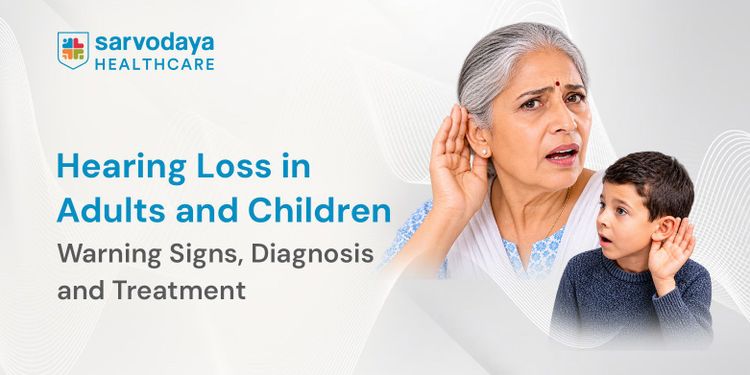


You hear someone speaking but miss a few words. Ask them to say it again.
Maybe you've also been turning up the TV volume lately.
Hearing loss may gradually occur or suddenly, at any age.
In this blog, we explain the early signs of hearing loss, common causes of hearing loss, diagnosis and hearing loss treatment.
Understanding Hearing Loss
Hearing loss makes sounds harder to hear or understand. It is possible that some people are affected only in noisy environments. Some people cannot hear others even in quiet areas. Either one or both ears may be affected.
The three types are: Conductive hearing loss occurs when sound cannot pass properly through the outer or middle ear. Sensorineural loss is caused by damage to the nerves in the inner ear or the hearing nerves. Mixed loss is a mixture of both.
An earwax-related hearing issue might be temporary, whereas inner ear damage is normally lasting. The treatment is based on the type identified. For instance, clearing a blockage can get the sound transmission back, and harm to the inner-ear structures may require the use of hearing devices or rehabilitation.
Early Signs of Hearing Loss
People often adapt to diminished hearing without realising it. It may be noticed by relatives in the course of their normal conversations.
There are some changes that are more evident in talking rather than in quiet.
These are the signs of hearing loss that shouldn't be overlooked:
- Repeating Conversations: Regularly asking others to repeat themselves.
- Background Noise: Struggling to follow speech in restaurants or gatherings.
- Higher Device Volume: Keeping the television or phone louder than other people prefer.
- Muffled Speech: Hearing that someone is talking but missing particular words or consonants.
- Ringing in the Ears: Experiencing tinnitus, sometimes alongside reduced hearing.
- Avoiding Conversations: Stepping back from calls or gatherings because listening feels tiring.
Common Causes of Hearing Loss
Any ear or hearing pathway issue can cause a problem with hearing. There are some which can be treated and some that require long-term support.
Common causes of hearing loss are:
- Age-Related Changes: Inner-ear changes may make speech harder to recognise.
- Loud Noise: Machinery, concerts or loud earphones can damage hearing.
- Earwax Blockage: A build-up of wax may stop sound travelling through the ear canal.
- Ear Infections: Swelling or middle-ear fluid can reduce hearing.
- Inherited Conditions: Genetic factors may lead to hearing difficulties from birth or later in life.
- Medicines and Illness: Certain medicines and serious infections can damage hearing.
- Injury: Head injuries or loud blasts may affect hearing.
Hearing Changes in Children
It is not easy to detect hearing loss in young children. Parents could notice a delay in speaking or appear to think their child is ignoring them.
Here are some of the symptoms to watch for:
- A baby does not turn towards familiar sounds or voices at the expected age.
- A toddler begins speaking later than expected or uses fewer words.
- A school-age child frequently says “what?” or misunderstands instructions.
- A child turns the television up or responds only when facing the speaker.
Newborn screening (NBS) may be normal, and then hearing loss occurs. Children with suspected hearing loss must be promptly assessed to aid language and learning. Parents should report concerns after newborn screening, too, even if their child did not have a problem with their first screening.
Sudden Hearing Loss Needs Urgent Care
Sudden hearing loss occurs over a period of hours or within 3 days or even while sleeping. It can produce symptoms in only one ear and can cause tinnitus (ringing) sensation, dizziness or a feeling of fullness.
Do not assume sudden hearing loss is caused by earwax or a blocked ear. An abrupt decline of hearing should be assessed immediately as an emergency. There are some ear problems that must be treated as soon as possible, and delayed treatment can have an impact on recovery.
If a hearing loss has developed and you experience weakness of one side of your face, have trouble speaking or have any other stroke symptoms, call for emergency assistance right away. Don't waste time on home remedies; first get help.
How Hearing Loss Is Diagnosed
The ENT hearing specialist examines the ear canal and eardrum and asks about symptoms. This examination helps identify visible problems and decide if further tests are needed.
The following tests might be recommended based on the results:
- Pure-Tone Audiometry: A hearing test measuring the quietest sounds heard at different pitches.
- Speech Audiometry: Measures how well a person recognises words at different sound levels.
- Tympanometry: Checks how the eardrum moves and helps detect middle-ear problems.
- Specialised Tests: Measure responses from the inner ear or hearing pathway, particularly in infants.
In most cases, a hearing test is not painful and can be used to identify the cause and extent of a hearing loss. If the doctor doesn't know the cause of the difference between ears or if there are any unusual symptoms, they may recommend imaging or other tests.
Treatment Options for Better Hearing
Treatment for hearing loss varies based on its causes, level of severity and communication needs. Treatment can cure some disorders, and ongoing support is required for others.
Common options include:
- Earwax Removal: A clinician may safely clear impacted wax when it is affecting hearing. Avoid putting cotton buds inside the ear.
- Treating Infections: Medicines or care for middle-ear fluid may improve hearing.
- Hearing Aids: Amplify sounds for people likely to benefit from them.
- Surgery: Selected problems affecting the eardrum or middle-ear bones may be treated surgically.
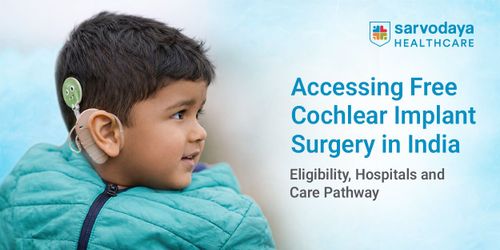
- Cochlear Implants: A cochlear implant may help eligible people with severe hearing loss who benefit little from hearing aids.
Unlike hearing aids, a cochlear implant uses electrical signals to stimulate the hearing nerve. There is a need for follow-up programming and listening rehabilitation for surgery. Hearing may not return to normal, but understanding speech can become easier.
Choosing the Right Time to Consult an ENT Specialist
If you are struggling to understand words, on the telephone or if you are having trouble with any symptoms of hearing loss, consult an ENT specialist. If one ear does not hear as well as the other or if the hearing is still decreased following treatment, it should be evaluated.
If you are looking for a skilled ENT doctor in Mathura, then diagnostic testing and treatment advice will be the key points. The ENT (ear, nose, throat) hearing specialist might also determine when an audiologist, speech therapist or implant team should be involved.
However, even if the hearing loss is slight, it needs to be explained, although it may not need a device or surgery. Get help sooner if the hearing loss is accompanied by ongoing ear discharge, ear pain, and/or balance problems or ringing.
Protecting Your Hearing in Daily Life
There is some hearing loss that can be prevented, especially if it is due to loud sounds. A few simple habits can help protect your hearing.
Practical measures include:
- Keep earphone volume at a comfortable level and take listening breaks.
- Wear suitable hearing protection around loud machinery or music.
- Avoid inserting sharp objects or cotton buds into the ear canal.
- Arrange a hearing test if you notice changes or work around high noise levels.
Conclusion
Hearing changes are not always an unavoidable part of ageing. Prompt care matters, especially for children and abrupt changes.
At Sarvodaya Hospital, the Centre for ENT and Cochlear Implant provides hearing assessment, specialist treatment and rehabilitation support. Trusted ENT specialists in Faridabad offer audiology, implant evaluation and auditory-verbal therapy where appropriate. Compared with traditional hearing aids, implant-based hearing loss treatment can provide an additional option for selected patients who receive too little benefit from amplified sound.
If conversations have become harder to follow, or someone in your family seems to be missing everyday sounds, speak with a specialist. Contact Sarvodaya Hospital and book an appointment now.