

Noticing blood on toilet paper or in the toilet bowl after passing stool can be unsettling. Yet many people dismiss it, especially when they have been experiencing constipation or straining during bowel movements. They often assume it is piles and wait for the bleeding to stop on its own.
Piles, also known as haemorrhoids, are a common cause of rectal bleeding. However, they are not the only possible cause. An anal fissure, intestinal inflammation and other bowel conditions can also produce similar symptoms.
The important thing is to understand why the bleeding is happening rather than assuming it is always due to piles. Recognising the accompanying symptoms and knowing when to seek medical advice can help you get the right diagnosis and treatment.
What Are Piles and Why Do They Cause Bleeding?
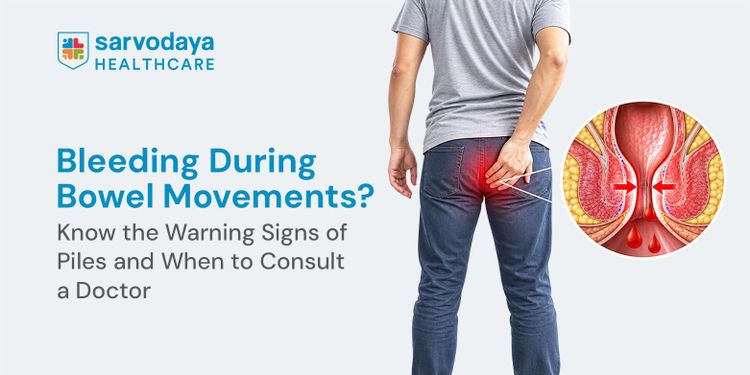
Piles, or haemorrhoids, develop when the blood vessels and supporting tissues in and around the anus and lower rectum become swollen and enlarged.
These tissues normally help seal the anal canal. However, repeated pressure during bowel movements can cause them to swell, stretch or protrude.
When enlarged haemorrhoidal tissue becomes irritated or gets rubbed during the passage of stool, it can bleed. This is why some people notice fresh blood during or immediately after bowel movements.
Piles are broadly classified into two types:
- Internal piles: These develop inside the rectum. They often cause painless bleeding, particularly during bowel movements. In some cases, the swollen tissue may protrude through the anus, a condition known as prolapse.
- External piles: These develop under the skin around the anus. They may cause itching, swelling, discomfort or pain, especially when a blood clot forms inside the swollen tissue.
One important distinction is that internal piles can bleed without causing pain. Therefore, the absence of pain does not necessarily mean that the bleeding is harmless.
Read More - Piles Treatment: Causes, Symptoms, and Prevention
What Are the Common Warning Signs of Piles?
The symptoms of piles depend on their location, size and severity. Some people initially notice only bleeding, while others experience several symptoms together.
Watch for the following signs:
- Bright-red bleeding during or after bowel movements: You may notice blood on toilet paper, streaks on the stool or blood dripping into the toilet bowl.
- Itching or irritation around the anus: Swollen haemorrhoidal tissue can irritate the surrounding skin.
- Pain or discomfort while sitting: External piles, particularly when swollen or affected by a blood clot, can make sitting uncomfortable.
- A lump near the anus: External piles may feel like swollen lumps, while internal piles can sometimes protrude outside the anus.
- Mucus discharge: Some people notice mucus around the anus or on toilet paper after passing stool.
- A feeling of incomplete evacuation: You may feel that the bowel has not emptied completely, even after passing stool.
These symptoms can suggest piles, but they cannot confirm the diagnosis on their own.
Why Should You Not Ignore Bleeding During Bowel Movements?
Not every episode of rectal bleeding is caused by piles. Other conditions can affect the anal canal, rectum or intestine and produce similar symptoms.
For example:
- Anal fissures: A small tear in the lining of the anal canal, often caused by passing hard stools, can produce bright-red bleeding accompanied by sharp pain during or after bowel movements.
- Inflammatory bowel disease (IBD): Conditions such as ulcerative colitis and Crohn's disease can cause intestinal inflammation, resulting in bleeding, diarrhoea and abdominal discomfort.
- Colorectal polyps and cancer: Growths in the colon or rectum can sometimes bleed. Blood in the stool may be accompanied by changes in bowel habits, abdominal discomfort or unexplained weight loss.
The colour and amount of blood may provide useful information, but they cannot establish the cause by themselves. For instance, bright-red blood can occur with both piles and anal fissures.
This is why persistent or recurring rectal bleeding should always be evaluated by a doctor, even when you suspect piles.
Read More - Cost of Piles Surgery in India: Types of Procedures, Laser Treatment and What to Expect
When Should You Consult a Doctor for Piles?
Occasional discomfort or itching may seem manageable, but certain symptoms indicate that you should not delay medical evaluation.
Consult a doctor if you notice:
- Bleeding that keeps occurring or does not settle.
- Increasing pain, swelling or a lump around the anus.
- Difficulty passing stools or recurrent constipation.
- A noticeable change in your usual bowel habits.
- Unexplained weight loss or persistent tiredness.
- Abdominal pain along with rectal bleeding.
- A family history of colorectal cancer or other significant bowel conditions.
Seek urgent medical attention if you experience heavy or continuous bleeding, pass large blood clots, develop black or dark-red stools, or notice blood accompanied by bloody diarrhoea. Heavy bleeding with dizziness, faintness or severe weakness requires emergency assessment.
Do not wait for pain to develop before seeking help. Some conditions, including internal piles and certain bowel disorders, may cause bleeding without significant discomfort.
What Causes Piles to Develop?
Piles often develop because of repeated pressure on the blood vessels and supporting tissues in the lower rectum and anal canal.
Certain everyday habits and circumstances can increase this pressure:
- Chronic constipation: Passing hard stools often requires straining, increasing pressure around the anal canal.
- Prolonged toilet sitting: Spending too much time on the toilet can place additional pressure on the rectal blood vessels.
- Low-fibre diet: Insufficient dietary fibre can make stools harder and more difficult to pass.
- Chronic diarrhoea: Frequent bowel movements and repeated irritation can aggravate the anal area.
- Pregnancy: Increased pressure in the pelvic veins and hormonal changes can contribute to haemorrhoid development.
- Ageing: The tissues supporting the veins in the rectum and anus can weaken over time.
- Heavy lifting: Repeated straining during heavy physical activity may increase pressure in the lower rectum.
Addressing these factors can help reduce symptoms and lower the likelihood of recurrence.
How Do Doctors Diagnose Piles?
A proper diagnosis is important because treatment depends on the type of haemorrhoids, their severity and whether another condition is responsible for the bleeding.
The doctor generally begins by understanding your symptoms, including when the bleeding started, how frequently it occurs, whether you experience pain and whether your bowel habits have changed.
Depending on the findings, the evaluation may include:
- Physical examination: The doctor checks the area around the anus for swelling, lumps, irritation or protruding haemorrhoidal tissue.
- Digital Rectal Examination (DRE): A gloved, lubricated finger is gently inserted into the rectum to check for tenderness, abnormalities or lumps.
- Anoscopy or proctoscopy: A small instrument with a light allows the doctor to examine the anal canal and lower rectum for internal haemorrhoids or other possible sources of bleeding.
- Sigmoidoscopy or colonoscopy: In selected cases, these investigations help examine the lower or entire colon, particularly when bleeding remains unexplained, persists or is accompanied by other concerning symptoms.
Not everyone with suspected piles needs a colonoscopy. The doctor recommends further investigations based on the patient's age, symptoms, medical history and examination findings.
How Are Piles Treated?
Not every patient with piles needs surgery. Mild cases can often improve with dietary changes, healthier bowel habits and appropriate medication. More persistent or advanced haemorrhoids may require a procedure.
Treatment depends on the size and location of the haemorrhoids, the symptoms and how much they affect everyday life.
Lifestyle Changes and Medication
For mild symptoms, doctors generally begin with measures that make bowel movements easier and reduce pressure around the anal canal.
These include:
- Increasing fibre intake through fruits, vegetables and whole grains.
- Drinking adequate water throughout the day.
- Avoiding straining while passing stool.
- Not postponing bowel movements when the urge arises.
- Avoiding prolonged sitting on the toilet.
- Staying physically active.
Doctors may also prescribe medicines, creams or ointments to relieve pain, itching and swelling. Medicines to manage constipation may be recommended when required.
Minimally Invasive Procedures and Surgery
When symptoms persist despite conservative treatment, doctors may recommend a procedure to manage the haemorrhoids.
Depending on the condition, treatment options include:
- Rubber Band Ligation: A small band is placed around the base of an internal haemorrhoid to cut off its blood supply, allowing the tissue to shrink.
- Sclerotherapy: A solution is injected into the haemorrhoid to reduce its size.
- Infrared or Laser Coagulation: Heat is used to close off blood vessels and shrink selected haemorrhoids.
- Minimally Invasive Surgery: Laser-based or stapler techniques may be considered for suitable patients.
- Haemorrhoidectomy or Stapled Haemorrhoidopexy: Surgical procedures used for selected advanced or persistent cases.
The choice of treatment depends on the type and grade of piles, the symptoms and the patient's overall health. A procedure that works well for one patient may not be appropriate for another.
Piles Treatment at Sarvodaya Hospital
At Sarvodaya Hospital, patients experiencing rectal bleeding, pain, swelling or other symptoms associated with piles can undergo evaluation by the General Surgery team.
The treatment approach focuses on identifying the cause of bleeding, assessing the type and severity of haemorrhoids and recommending appropriate care.
Depending on the patient's condition, treatment may include dietary and lifestyle modifications, medicines, rubber band ligation, sclerotherapy, laser-based procedures and surgical interventions, including stapled haemorrhoidopexy or haemorrhoidectomy.
The aim is to address the underlying condition rather than simply manage the symptoms. Patients with persistent or unexplained bleeding can also undergo further investigations when clinically indicated to rule out other causes.