
Overview
Pulmonary Edema is a serious medical condition in which excess fluid accumulates in the air sacs (alveoli) of the lungs, making it difficult to breathe and reducing the body's oxygen supply. The condition can develop suddenly (Acute Pulmonary Edema) or gradually over time, depending on the underlying cause.
Pulmonary Edema most commonly occurs due to heart-related conditions, particularly heart failure, but it can also result from lung infections, kidney disease, severe injury, or other medical disorders. Because it can rapidly become life-threatening, prompt diagnosis and Plmonary Edema Treatment are essential to restore normal breathing and prevent complications.
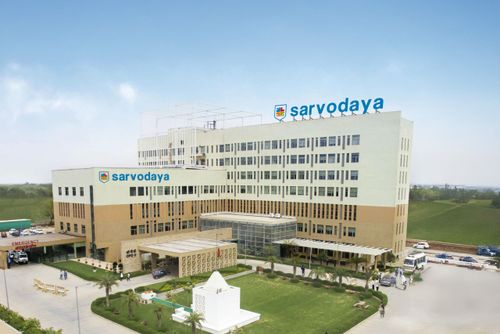
At Sarvodaya Hospital, patients receive comprehensive respiratory and critical care support through experienced pulmonologists, cardiologists, intensive care specialists, and advanced diagnostic facilities.
Symptoms of Pulmonary Edema
- Severe shortness of breath
- Rapid breathing
- Difficulty breathing while lying down
- Persistent cough
- Cough producing frothy sputum
- Wheezing
- Chest tightness
- Anxiety and restlessness
- Bluish lips or fingertips due to low oxygen levels
- Excessive sweating
Causes of Pulmonary Edema
- Congestive heart failure
- Heart valve disease
- Heart attack
- Kidney disease
- Severe lung infections
- Acute respiratory distress syndrome (ARDS)
- High-altitude exposure
- Severe trauma or injury
- Certain medications
Diagnosis of Pulmonary Edema
Accurate diagnosis helps identify the underlying cause and determine the most effective treatment strategy. Evaluation by a Pulmonary edema specialist helps ensure timely diagnosis, appropriate management, and prevention of serious respiratory complications.
- Clinical Examination: Doctors assess breathing difficulty, oxygen levels, heart function, lung sounds, and signs of fluid overload.
- Chest X-ray: Chest imaging helps identify fluid accumulation within the lungs and assess the severity of pulmonary edema.
- Echocardiography: This ultrasound-based test evaluates heart function and helps determine whether heart disease is causing fluid buildup.
- Electrocardiogram (ECG): ECG helps identify heart rhythm abnormalities and evidence of heart-related causes.
- Blood Tests: Laboratory investigations help assess oxygenation, kidney function, infection, and cardiac biomarkers.
- CT Scan of the Chest: Advanced imaging may be required in selected cases to evaluate lung abnormalities and underlying causes.
Treatment Options & Technology for Pulmonary Edema
Pulmonary edema treatment focuses on improving oxygen levels, removing excess fluid, treating the underlying cause, and preventing recurrence.
- Oxygen Therapy: Supplemental oxygen helps improve oxygen delivery to the body's tissues and relieves breathing difficulty.
- Diuretic Medications: Diuretics help remove excess fluid from the body and reduce fluid accumulation within the lungs.
- Treatment of Underlying Heart Disease: Managing heart failure, valve disease, or other cardiac conditions is crucial for long-term recovery.
- Non-Invasive Ventilation Support: Specialised breathing support may help patients with severe respiratory distress avoid invasive ventilation.
- Intensive Care Monitoring: Patients with severe pulmonary edema may require ICU care for continuous monitoring and rapid intervention.
- Advanced Diagnostic Technology: Chest X-ray, Echocardiography, ECG, CT Scan, Arterial Blood Gas Analysis, and Cardiac Monitoring support accurate diagnosis and treatment planning.
Benefits of Early Medical Intervention
Prompt treatment significantly improves outcomes and reduces the risk of serious complications. Early consultation with a Best doctor for pulmonary edema treatment helps ensure timely care, faster symptom relief, and improved respiratory recovery.
- Rapid Breathing Relief: Early treatment helps restore oxygen levels and improve respiratory function.
- Prevents Respiratory Failure: Timely intervention reduces the risk of severe oxygen deprivation and lung failure.
- Protects Heart Function: Managing underlying cardiac conditions improves overall cardiovascular health.
- Reduces Hospital Complications: Early treatment lowers the risk of prolonged hospitalisation and critical illness.
- Improves Long-Term Outcomes: Comprehensive management helps prevent recurrence and supports better quality of life.
Complications if Left Untreated
Untreated pulmonary edema can rapidly become life-threatening.
- Severe respiratory failure
- Critically low oxygen levels
- Heart complications
- Multi-organ dysfunction
- Shock
- Sudden death
When Should You See a Doctor?
Seek immediate emergency medical attention if you experience:
- Sudden severe breathlessness
- Difficulty breathing while resting
- Cough with frothy sputum
- Bluish lips or fingertips
- Chest pain with breathing difficulty
- Rapid worsening of respiratory symptoms
Prevention & Lifestyle Modifications
Managing underlying medical conditions helps reduce the risk of pulmonary edema. Regular follow-up with a Pulmonologist in Delhi NCR can support early detection, better disease control, and long-term respiratory health.
- Control Heart Disease: Regular cardiac care helps prevent fluid accumulation caused by heart failure.
- Monitor Blood Pressure: Maintaining healthy blood pressure reduces strain on the heart and lungs.
- Limit Excess Salt Intake: Reducing sodium consumption helps prevent fluid retention.
- Take Medications as Prescribed: Proper treatment of heart, kidney, and respiratory conditions lowers future risk.
- Attend Regular Medical Follow-ups: Ongoing monitoring helps identify and manage risk factors early.
Pre–Post Treatment Care
Pre-Treatment
Emergency respiratory assessment
Oxygen saturation monitoring
Cardiac evaluation
Chest imaging and blood tests
Post-Treatment
Medication adherence
Fluid and dietary management
Regular cardiology or pulmonology follow-up
Monitoring for recurrence