


Lungs are among the body's most important organs, working continuously to supply oxygen and remove carbon dioxide.
Yet, lung health is taken for granted. Even if you don’t smoke, rising pollution and second-hand smoke can put you at risk of developing lung diseases. It is imperative to notice symptoms like a persistent cough, wheezing, repeated chest infections, and difficulty breathing, and to consult an experienced lung health specialist.
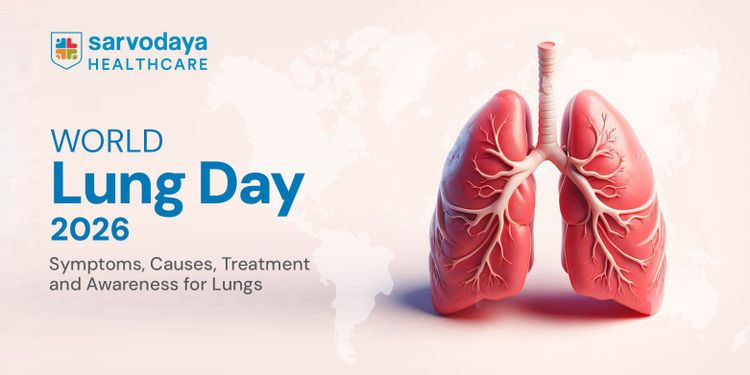
To spread awareness and highlight the importance of Lung Health, World Lung Day is celebrated every year. This year, World Lung Day will be observed on 25 September 2026.
The theme of World Lung Day 2026 is A Lifetime of Lung Health.
In this blog on World Lung Day, let us understand the causes of lung diseases, signs and symptoms to recognise lung problems, prevention tips, and treatment for lung diseases.
Why is World Lung Day Celebrated?
World Lung Day 2026 is observed to raise awareness about lung health, respiratory diseases and the urgent need for better prevention, early diagnosis and access to appropriate treatment.
World Lung Day was initiated by the Forum of International Respiratory Societies (FIRS) as a global campaign to bring respiratory health into greater focus. The campaign encourages healthcare professionals, governments, patient organisations, communities and individuals to work together to reduce the burden of respiratory diseases.
Respiratory diseases can affect people across all age groups, including babies. The World Health Organisation (WHO) identifies diseases and conditions such as Asthma, Chronic Obstructive Pulmonary Disease (COPD), Lung Cancer, Pneumonia, and Tuberculosis among the major lung diseases contributing substantially to illness, disability and death worldwide.
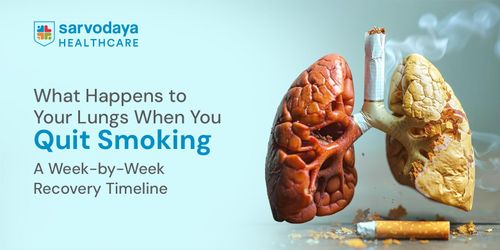
Read More - What Happens to Your Lungs When You Quit Smoking? A Week-by-Week Recovery Timeline
What is the Theme for World Lung Day 2026?
The theme for World Lung Day 2026 is “A Lifetime of Lung Health”. It reinforces the message that lungs should not only be taken as priority when disease develops. They must be protected throughout life at every stage.
It also highlights the importance of implementing actions and campaigns at both the individual and societal level - from preventive measures to timely diagnosis, treatment and recovery.
What are the Common Lung Diseases?
There are many conditions that can affect the lungs and airways. Some are short-term infections, while others can become chronic and require long-term management.
Some of the common lung disease conditions include:
1. Asthma
A chronic condition involving inflammation and narrowing of the airways, Asthma can cause coughing, wheezing, chest tightness and shortness of breath.
2. Chronic Obstructive Pulmonary Disease (COPD)
COPD is a progressive lung disease that restricts airflow and can make breathing increasingly difficult. Chronic bronchitis and emphysema are commonly associated with COPD.
3. Pneumonia
Pneumonia is an infection that affects the lungs and can be caused by bacteria, viruses or other infectious organisms. It may cause cough, fever, chills, breathing difficulty and chest discomfort. Some people, particularly older adults, young children and individuals with underlying health conditions, may be at greater risk of serious illness.
4. Tuberculosis (TB)
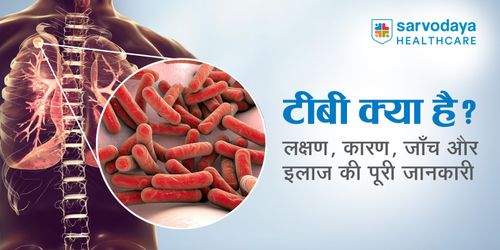
Tuberculosis is an infectious disease that may cause symptoms like prolonged cough, fever, night sweats, tiredness and unexplained weight loss.
5. Lung Cancer
Lung cancer develops when abnormal cells in the lungs grow uncontrollably. Smoking is a major risk factor, but non-smokers can also develop lung cancer. Long-term exposure to certain environmental or occupational hazards can also increase risk.
6. Bronchiectasis
Bronchiectasis is a chronic condition in which parts of the airways become permanently widened and damaged, making it harder to clear mucus. It can lead to a chronic productive cough and recurrent respiratory infections.
7. Interstitial Lung Diseases
Interstitial Lung Diseases are a broad group of disorders that cause inflammation or scarring of lung tissue. Breathlessness and a persistent dry cough are common symptoms.
Lung Disease Causes and Risk Factors
WHO identifies tobacco smoke, air pollution, occupational dusts and chemicals and respiratory infections among important risk factors for chronic respiratory diseases.
Some of the most common causes and risk factors of lung diseases include:
- Smoking and exposure to second-hand smoke
- Outdoor and indoor air pollution
- Occupational exposure to dust, fumes and chemicals
- Allergens such as dust mites, mould and pollen
- Repeated respiratory infections
- Family history or genetic factors
- Poor lung development during early life
- Certain autoimmune or inflammatory conditions
- Increasing age
What are the Signs and Symptoms of Lung Disease?
Recognising the signs of lung disease early can encourage timely medical evaluation. While many people may not take coughing and wheezing seriously in the initial stages, it is important to consult a pulmonologist near you before taking any self-medication, and also if the symptoms remain for a long period.
Common lung problem signs and symptoms may include:
- Persistent or recurrent cough
- Cough with mucus or phlegm
- Wheezing
- Shortness of breath
- Difficulty breathing during routine activities
- Chest tightness or discomfort
- Frequent respiratory infections
- Unexplained tiredness
- Reduced exercise tolerance
- Coughing up blood
- Unexplained weight loss
- Bluish lips or fingertips in severe breathing difficulty
How are Lung Diseases Diagnosed?
The appropriate diagnostic approach depends on the symptoms and suspected condition. Your doctor will first evaluate your symptoms, ask for previous medical records, family history of any lung disease and then recommend some tests to examine and evaluate the condition.
A respiratory specialist may recommend:
- Physical Assessment
- Chest X-ray
- CT scan of the chest
- Pulmonary function tests such as spirometry
- Oxygen saturation assessment
- Blood tests
- Sputum examination
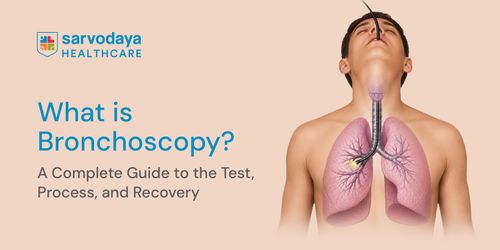
- Bronchoscopy in selected cases
- Allergy testing when indicated
- Sleep-related breathing assessments when appropriate
Lung Treatment: How are Lung Diseases Managed?
There is no single lung treatment that works for every respiratory condition. Treatment depends on the underlying cause, severity, age, overall health and other individual factors. You must consult an experienced lung health doctor near you for the right treatment and avoid self-medication, inhalers, and nebulisation.
Some common treatments that a doctor may suggest based on your health and condition include:
- Medicines and Inhalers
- Antibiotics for appropriate bacterial infections
- Anti-inflammatory medicines
- Oxygen therapy in selected patients
- Pulmonary rehabilitation
- Breathing and physical exercises
- Vaccination where appropriate
- Smoking cessation support
- Treatment of allergies and underlying conditions
- Bronchoscopy or other procedures when required
- Surgery for selected conditions
- Cancer-specific treatments such as surgery, radiation therapy, chemotherapy, targeted therapy or immunotherapy when indicated
How to Keep Your Lungs Healthy?
If you are wondering how to keep lungs healthy or how to improve lung health, start with simple, sustainable habits:
- Do Not Smoke
- Reduce Exposure to Air Pollution
- Stay Physically Active
- Maintain Good Indoor Air Quality
- Protect Yourself at Work
- Keep Vaccinations Up to Date
- Do Not Ignore Persistent Symptoms
- Maintain a Healthy Lifestyle
The Role of Society in Lung Health and Awareness
Lung health cannot be protected by individuals alone. Society, groups, hospitals and government organisations must come together to form programs and strategies for raising awareness and ensuring timely evaluation of lungs for all people.
- Promoting tobacco-free environments
- Increasing awareness about the harms of smoking and second-hand smoke
- Supporting clean-air initiatives
- Educating people about respiratory disease symptoms
- Encouraging early medical evaluation
- Improving access to spirometry and other diagnostic services
- Supporting vaccination and infection prevention
- Protecting workers from occupational respiratory hazards
- Improving access to essential respiratory medicines
- Encouraging healthy physical activity
- Supporting people living with chronic respiratory diseases
World Lung Day 2026: A Reminder to Breathe Better for Life
The message of World Lung Day 2026 goes beyond a single day of awareness. “A Lifetime of Lung Health” reminds us that every stage of life presents an opportunity to protect our respiratory health.
Sarvodaya Hospital houses the advanced Centre for Pulmonology and Sleep Medicine, with a special department dedicated to lung health, where our specialists help you understand the possible risk factors that can affect the lungs, prevent lung diseases, and provide timely diagnosis and management of acute and chronic lung diseases in people of all ages.
Whether it is raising awareness about lung health through health talks and activities, helping a child avoid tobacco smoke, encouraging a smoker to quit, managing asthma properly, managing allergies and lung infections in children and older adults, or screening for TB in village areas, our team works consistently to help people live and breathe better with healthy lungs.
To know about your lung health and understand the ways to keep your lungs healthy, book your consultation with a chest health specialist now.