
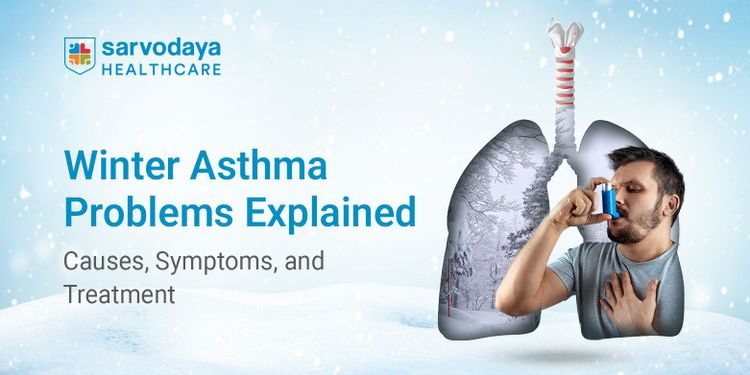


The asthma problem in winter can be both physically distressing and emotionally draining for people living with chronic respiratory conditions. For many individuals, winter becomes a period marked by persistent coughing, chest tightness, disturbed sleep, and reduced physical activity, all of which can significantly affect overall well-being.
In this blog, we explore why the asthma problem in winter becomes more severe, explain the nature of asthma disease, and outline the most effective asthma treatment options available today.
Exploring Asthma Disease
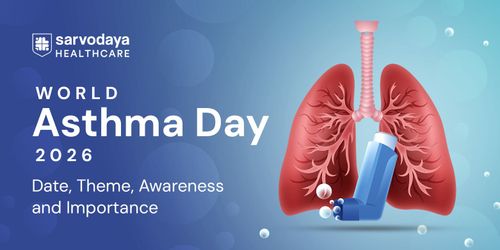
Asthma is a chronic condition that affects the airways of the lungs, causing them to become inflamed, narrow, and overly sensitive to certain triggers. This inflammation restricts airflow and makes breathing difficult, especially during exposure to allergens, cold air, infections, or physical exertion. While asthma can develop at any age, it is commonly diagnosed in childhood and may continue into adulthood.
Although asthma disease cannot be cured permanently, it can be effectively managed with the right medical care and lifestyle adjustments. The severity of the condition varies from person to person, ranging from mild, occasional symptoms to severe, depending on the causes of asthma and life-threatening attacks.
The Reason Why Asthma Problems Increase in Winter
The asthma problem in winter becomes more pronounced due to a combination of environmental and lifestyle factors that directly affect the airways.
The main asthma reason for seasonal flare-ups include the following factors:
- Cold, dry air can tighten airway muscles, leading to breathlessness and wheezing.
- Winter respiratory infections, such as colds and flu, can inflame the airways and worsen existing asthma.
- Increased indoor time exposes individuals to dust mites, pet dander, and mould.
- Air pollution and smoke levels often rise during colder months, aggravating sensitive lungs..
Impact of Cold Air on Asthma Control During Winter
Cold air is one of the most powerful triggers behind the asthma problem in winter. When cold, dry air is inhaled, it irritates the airway lining and causes the surrounding muscles to tighten. This narrowing restricts airflow, leading to sudden breathing difficulty, coughing, and wheezing. For people with asthma disease, this reaction can happen quickly and without warning.
Cold weather also dries out the airway surface, increasing inflammation and sensitivity to allergens and pollutants. This explains why many patients experience frequent flare-ups despite regular asthma treatment. Wearing protective coverings over the nose and mouth, warming up before outdoor activity, and avoiding sudden exposure to cold air can help reduce winter-related asthma attacks.
Asthma Symptoms in Adults During Winter
The asthma symptoms in adults often become more noticeable and severe during winter. Cold air acts as a strong trigger, causing airway narrowing and inflammation in individuals with pre-existing asthma.
Common asthma symptoms in adults during winter include the following:
- Increased breathlessness during routine activities such as walking or climbing stairs.
- Night-time coughing that disrupts sleep and causes daytime fatigue.
- Frequent need for reliever inhalers due to chest tightness.
- Reduced tolerance for exercise and physical exertion.
Consulting a specialist at a trusted lung hospital in Delhi early can prevent severe attacks and long-term lung damage.
Serious Asthma Symptoms in Winter
During winter, asthma symptoms can worsen quickly and should never be ignored. The asthma problem in winter may progress silently, increasing the risk of severe breathing difficulty and medical emergencies if timely care is not taken.
Serious warning signs that indicate worsening asthma disease include the following:
- Severe breathlessness or difficulty speaking due to a lack of air.
- Persistent wheezing or coughing that does not improve with reliever medication.
- Chest tightness or pain that continues even at rest.
- Bluish lips or fingertips indicate reduced oxygen levels.
- Extreme fatigue, dizziness, or confusion.
Visit a chest hospital in Delhi to prevent complications and better control asthma during winter.
Effective Asthma Treatment Options Available Today
Modern asthma treatment focuses on long-term control, symptom relief, and prevention of severe attacks. With the right medical guidance from a chest specialist in Delhi, most people with asthma disease can lead active, comfortable lives, even during winter.
The most effective asthma treatment options include the following:
- Preventive inhalers that reduce airway inflammation and lower the frequency of attacks.
- Reliever inhalers provide quick relief during sudden breathing difficulty.
- Long-term control medications for patients with moderate to severe asthma.
- Nebulisation therapy for individuals with frequent or severe symptoms.
- Vaccinations to reduce the risk of respiratory infections that worsen asthma.
Consistent use of prescribed asthma treatment, along with trigger avoidance, is essential for controlling the asthma problem in winter and preventing emergencies.
Read More- Asthma Explained: From Early Symptoms to Effective Treatment
Lifestyle Changes to Control Asthma in Winter
Alongside medical care, lifestyle modifications are crucial for managing asthma during winter. Simple daily habits can minimise exposure to triggers and support the effectiveness of ongoing asthma treatment.
Key lifestyle measures include the following:
- Wearing a scarf or mask over the mouth and nose to warm inhaled air.
- Maintaining clean indoor spaces to reduce dust, mould, and allergens.
- Using humidifiers to prevent airway dryness in heated rooms.
- Avoiding smoke, strong fragrances, and air pollutants.
- Following prescribed medication routines without interruption.
Conclusion
Living with the asthma problem in winter can be challenging, but with the right awareness, timely care, and consistent management, it is possible to keep symptoms under control. Winter may increase triggers such as cold air, infections, and indoor allergens, but proactive measures can significantly reduce their impact on daily life.
Sarvodaya Hospital, Faridabad, plays an important role in helping patients manage asthma disease effectively. With access to experienced specialists, advanced diagnostic facilities, and personalised care plans, patients receive comprehensive support under one roof. Those seeking care from the best pulmonologist in Faridabad can benefit from expert evaluation and long-term management strategies at this trusted pulmonology hospital in Faridabad.
Take charge of your respiratory health today and book an appointment now to receive expert care, personalised treatment, and long-term support for better breathing and improved quality of life.