

Do you snore? Does anyone in your family snore?
Many people think that snoring is simply an annoying night-time habit and could be due to feeling too tired during the day. But persistent snoring, interrupted breathing during sleep and unexplained daytime fatigue can sometimes point to a serious sleep disorder called Obstructive Sleep Apnea (OSA).
Obstructive Sleep Apnea occurs when the upper airway repeatedly gets blocked during sleep, causing breathing to stop or become significantly reduced for short periods. These repeated episodes can disturb sleep and cause fluctuations in oxygen levels, restrict breathing and other physiological changes.
The condition is common, often underdiagnosed and treatable. Understanding its symptoms and risks can help you recognise when it is time to seek medical evaluation.
In this blog, we will discuss important things you must know about OSA along with its potential causes, symptoms and treatment.
What is Obstructive Sleep Apnea (OSA)?
Obstructive Sleep Apnea (OSA) is a common sleep disorder in which the airway becomes partially or completely blocked while you are asleep. This blockage restricts the flow of air into the lungs, making it difficult to breathe and sometimes causing the oxygen level in the blood to drop.
When this happens, the brain senses that the body is not getting enough air and briefly wakes the person up so they can breathe again. These repeated interruptions may happen many times during the night, often without the person even realising it. As a result, sleep becomes disturbed and less restful.
Because the sleep cycle is repeatedly disrupted, people with OSA may wake up feeling tired, sleepy or unrefreshed, even after getting enough hours of sleep. This can affect concentration, memory, mood and daytime performance. Excessive daytime sleepiness can also increase the risk of accidents, particularly while driving.
Read More - Struggling With Sleep? A Complete Guide to Sleep Disorders and Their Treatment
Symptoms and Causes of Obstructive Sleep Apnea (OSA)
Symptoms of OSA
While loud snoring could count as one of the major symptoms of OSA, it alone does not mean sleep apnea. Some of the other symptoms of OSA include:
- Loud, frequent snoring
- Pauses in breathing during sleep, often noticed by a partner or family member
- Gasping, choking or snorting during sleep
- Frequently waking up at night
- Morning headaches
- Dry mouth or sore throat after waking up
- Excessive daytime sleepiness or fatigue
- Difficulty concentrating or remembering things
- Irritability or mood changes
- Waking up feeling tired despite getting enough sleep
- Reduced alertness, including a tendency to fall asleep while watching TV, working or driving
Causes of OSA
Obstructive Sleep Apnea (OSA) occurs when the muscles and tissues in the throat relax too much during sleep, causing the airway to become narrow or blocked.
Common factors that can increase the risk include:
- Being overweight or obese
- Large tonsils or adenoids
- A thick or large neck
- Nasal blockage
- Ageing
- Family history
- Alcohol and sedatives
- Smoking
- Sleeping on the back
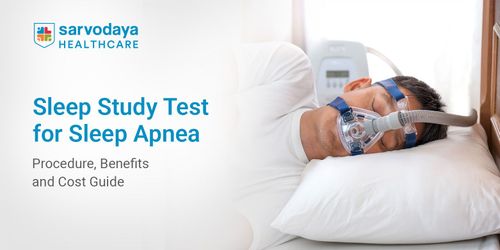
Read More - Sleep Study Test for Sleep Apnea: Procedure, Benefits and Cost Guide
5 Important Facts about Obstructive Sleep Apnea (OSA)
1. Obstructive Sleep Apnea is more than just loud snoring
Loud, persistent snoring is one of the best-known sleep apnea symptoms, but it is not the only symptom. Also, snoring doesn’t always necessarily mean the person has Sleep Apnea. People with sleep apnea often snore loudly and restart with a loud gasp and snort due to restricted breathing.
2. Men experience Sleep Apnea differently than women
Obstructive Sleep Apnea (OSA) can affect both men and women; however, the symptoms may differ.
Men are more likely to have the classic symptoms of OSA, like loud snoring, witnessed pauses in breathing, choking or gasping during sleep, and excessive daytime sleepiness.
Women, on the other hand, may experience less obvious symptoms like fatigue, morning headaches, insomnia, mood changes, anxiety, difficulty concentrating, or feeling unrefreshed after sleep.
Hormonal changes also influence the risk of OSA in women. The risk tends to increase during and after menopause, when changes in hormone levels can affect the upper airway and breathing during sleep.
3. Sleep Apnea can affect more than your sleep
This is perhaps the most important thing many people do not know. Untreated Obstructive Sleep Apnea can affect cardiovascular and metabolic health as well.
Airway obstruction can not only cause breathing difficulties but also cause oxygen levels to drop, changes in heart rate, fatigue, daytime sleeping, reduced productivity, mood changes, increased risk of road and workplace accidents and more.
It can also increase the risk of high blood pressure, insulin resistance and diabetes, coronary artery disease, stroke and heart failure.
4. Maintaining a healthy weight may lower your risk of OSA
Being overweight or obese is one of the most important risk factors for OSA. Excess tissue around the neck can put pressure on the airway, making it more likely to become blocked during sleep.
According to several studies, maintaining a healthy weight may help reduce the severity of sleep apnea in many people.
5. Obstructive Sleep Apnea is treatable
A diagnosis of sleep apnea does not mean you simply have to live with poor sleep and daytime fatigue. OSA is highly treatable and manageable, especially when diagnosed early.
Your pulmonologist will evaluate the severity of OSA, symptoms, medical history and other factors and suggest an individualised treatment plan
Lifestyle modifications can help reduce OSA symptoms and improve sleep quality. These include:
- Maintain a healthy weight
- Exercise regularly
- Sleep on your side
- Avoid alcohol, especially before bedtime
- Quit smoking
- Maintain a regular sleep schedule.
- Manage nasal congestion
- Avoid sedatives unless prescribed
CPAP Therapy for OSA
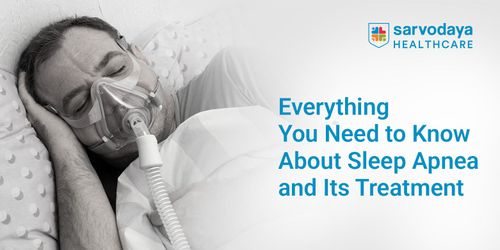
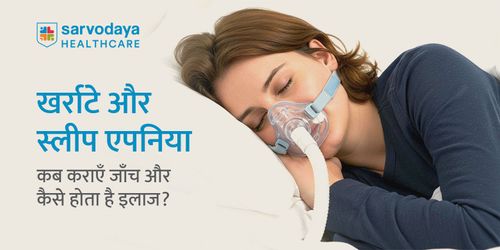
Continuous Positive Airway Pressure (CPAP) is one of the most effective treatments for obstructive sleep apnea. A CPAP machine is a small device that delivers pressurised air with steady flow through a mask while you sleep, helping keep the airway open and preventing any disruption in breathing and sleep.
It helps reduce snoring, improves oxygen levels, reduces daytime fatigue and sleepiness and helps lower the risk of other health complications caused by OSA.
How Is Obstructive Sleep Apnea Diagnosed?
Symptoms alone cannot confirm obstructive sleep apnea.
An experienced sleep apnea doctor may review your symptoms, medical history, sleep habits and risk factors before recommending a sleep study. Depending on the clinical situation, testing may include:
- Polysomnography (overnight sleep study)
- Home sleep apnea testing
When Should You See a Sleep Specialist?
Consider discussing your symptoms with an experienced pulmonologist or a sleep specialist if you or your partner notice:
- Loud, habitual snoring
- Repeated pauses in breathing
- Gasping or choking during sleep
- Excessive daytime sleepiness
- Persistent fatigue despite adequate sleep
- Morning headaches
- Difficulty concentrating
- Poorly controlled high blood pressure
- Unexplained nighttime awakenings
Final Takeaway
Obstructive sleep apnea is not just about snoring. Also, as simple and avoidable as it might sound, it must not be ignored. It does not just disrupt your sleep but also can pose to be life threatening as a person can choke while sleeping.
Sarvodaya Hospital, Faridabad has an advanced and dedicated Sleep Clinic where highly experienced sleep specialists along with their team help in prevention, evaluation, diagnosis, treatment and management of sleep apnea and other sleep disorders. The dedicated Pulmonology and Sleep Medicine Lab is highly equipped with all advanced modalities for detailed sleep study and symptoms management.
The hospital brings together a multidisciplinary team of doctors to help diagnose and treat other causes and risk factors for OSA like obesity, blood pressure, and more.
Don’t ignore the signs. Consult the doctor on time and get early treatment for better and long-term outcomes.