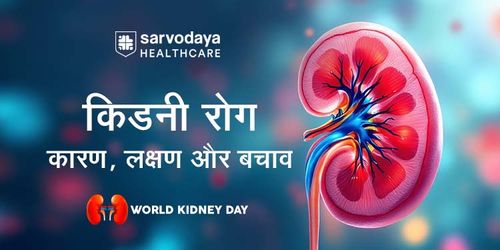




The kidneys play a vital role in maintaining the body’s internal balance. When the kidneys begin to lose their ability to function properly, harmful waste and excess fluids can accumulate in the body.
In this blog, we explore the early warning signs of kidney problems, the common causes of kidney disease, and available treatment options.
Understanding Kidney Disease
Kidney disease refers to a condition in which the kidneys gradually lose their ability to filter waste and excess fluids from the blood. Healthy kidneys remove toxins and maintain the body’s chemical balance. When kidney function declines, these essential processes are impaired, leading to a wide range of health complications.
Several medical and lifestyle factors contribute to kidney disease. Long-term conditions such as diabetes and high blood pressure are among the most common contributors to kidney damage.
Read More- Your Essential Guide to Kidney Function Tests: Symptoms, Indicators and Cost Breakdown
Early Kidney Disease Symptoms You Should Not Ignore
Kidney disease often develops gradually, and the body may show subtle warning signs before the condition becomes severe.
Below are some early kidney disease symptoms that should never be ignored:
- Persistent Fatigue and Weakness: When kidneys fail to filter toxins effectively, waste products accumulate in the blood. This can lead to constant tiredness, weakness, and reduced energy levels, which are among the most frequently reported kidney disease symptoms.
- Changes in Urination Patterns: This may involve increased frequency, particularly at night, foamy urine, dark-coloured urine, or reduced urine output.
- Swelling in Ankles, Feet, or Face: Damaged kidneys struggle to remove excess fluids from the body. This often leads to swelling in the lower limbs or around the eyes, another common indicator of developing kidney disease.
- Loss of Appetite and Nausea: Accumulation of toxins can lead to digestive discomfort, nausea, and decreased appetite.
- Difficulty Concentrating: Reduced kidney function can lead to lower oxygen levels in the brain due to anaemia. This may cause confusion, poor concentration, and mental fatigue.
- Dry or Itchy Skin: Healthy kidneys regulate the body’s minerals and nutrients. When kidney function declines, imbalances can cause dry, irritated, or itchy skin.
Recognising these kidney disease symptoms early and consulting a specialist, such as a trusted nephrologist in Greater Noida, can help patients receive a timely diagnosis and appropriate kidney disease treatment.
Read More- Kidney Disease: Symptoms And Treatment
Common Kidney Disease Causes
Many patients only become aware of these kidney disease causes after experiencing early kidney disease symptoms, which is why regular health monitoring is important.
Some of the most common causes of kidney disease include the following:
- Diabetes: High blood sugar levels damage the small blood vessels in the kidneys, reducing their ability to filter waste effectively.
- High Blood Pressure: Hypertension puts excessive strain on the kidney blood vessels. Over time, this pressure damages the kidneys’ filtering units and becomes a major contributor to kidney disease.
- Chronic Infections: Recurrent kidney or urinary tract infections can lead to inflammation and scarring of kidney tissues, eventually resulting in impaired kidney function.
- Genetic Disorders: Certain inherited conditions, such as polycystic kidney disease, are significant causes of kidney disease that gradually reduce kidney function.
- Prolonged Medication Use: Long-term use of certain painkillers or medications without medical supervision may damage kidney tissues and contribute to the development of kidney disease.
- Unhealthy Lifestyle Habits: Poor diet, obesity, smoking, and lack of physical activity increase the risk of developing several kidney disease causes, especially when combined with other medical conditions.
Kidney Disease Treatment Options
The primary goal of kidney disease treatment is to slow the progression of kidney damage, relieve kidney disease symptoms, and prevent complications that may affect other organs.
The following approaches are commonly used in kidney disease treatment:
- Lifestyle Modifications: Doctors often recommend dietary changes, reduced salt intake, weight management, and regular physical activity.
- Medication Management: Medicines may be prescribed to control blood pressure, manage diabetes, reduce swelling, and treat infections.
- Dialysis: Dialysis removes waste products and excess fluid from the blood, serving as an important kidney disease treatment for advanced stages.
- Kidney Transplant: This transplant replaces the damaged kidney with a healthy donor kidney and restores normal kidney function.
Read More- A Complete Guide to Kidney Transplants
Preventing Kidney Disease
While not all kidney conditions can be prevented, adopting healthy lifestyle habits can significantly reduce the risk associated with common kidney disease causes.
The following preventive measures can help protect kidney health:
- Maintain Healthy Blood Pressure Levels: Keeping blood pressure within the recommended range reduces strain on the kidney blood vessels and helps prevent several causes of kidney disease.
- Manage Diabetes Effectively: Proper blood sugar control plays a critical role in preventing kidney damage and reducing the risk of developing kidney disease symptoms.
- Stay Well Hydrated: Drinking adequate water helps the kidneys flush toxins from the body and maintain healthy filtration.
- Follow a Balanced Diet: Consuming fresh fruits, vegetables, and low-sodium foods supports kidney function and reduces risk factors for kidney disease.
- Schedule Regular Health Checkups: Routine screenings help detect early kidney disease symptoms in females and kidney disease symptoms in males, allowing doctors to begin preventive care before complications arise.
Read More- 7 Expert Tips to Keep Your Kidneys Healthy
Conclusion
Kidney disease often develops silently, making it essential to recognise early kidney disease symptoms before serious complications occur. Awareness of warning signs such as fatigue, swelling, and changes in urination can help individuals seek medical attention at the right time.
Sarvodaya Hospital, Faridabad, is recognised as one of the best hospitals for kidneys in Delhi, offering advanced diagnostic facilities and comprehensive kidney disease treatment. With access to experienced specialists, including the best nephrologist in Delhi NCR, the hospital provides personalised care for patients at every stage of kidney disease.
Early diagnosis and proper kidney disease treatment can help preserve kidney function and improve quality of life, so it is important to book an appointment now with a qualified specialist for a thorough evaluation.