
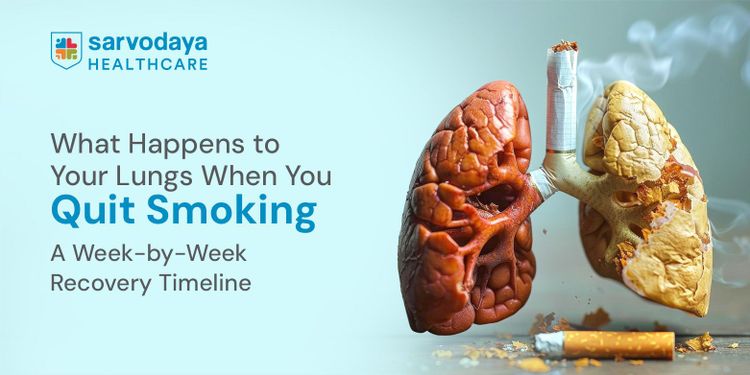


While smoking seems relaxing, one can not negate its harmful effects on the lungs, heart, brain and rest of the body. But do you know that you can reverse the years of adverse effects of smoking on your body and start healing within a few hours of quitting smoking?
Well, that’s correct.
Everybody has their reasons to smoke, and quitting remains a challenge for many, even if they wish to quit. However, quitting smoking is one of the most powerful decisions you can make for your health.
Whether you've smoked for five years or thirty, your body starts repairing itself almost immediately. While damaged lung tissue cannot always regenerate completely, your lungs can significantly improve their function, reduce inflammation, and clear years of accumulated toxins.
But the journey isn't always easy. You may experience cravings, coughing, fatigue, or mood changes during the first few weeks. However, these symptoms often indicate that your body is healing rather than worsening. Talk to a health expert, especially a pulmonologist, to understand the severity of harm years or months of smoking has caused, how much healing is required and most importantly, how to manage the side effects.
In the following blog, let us explore what happens to your lungs when you quit smoking, week by week, along with side effects and their management, for which you should consult an experienced pulmonologist near you.
Why does smoking damage the lungs?
Before understanding the healing of the lungs, let us first understand how smoking damages the lungs.
Every cigarette contains more than 7,000 chemicals, including tar, carbon monoxide, formaldehyde, and toxic gases. These substances gradually damage the delicate airways and air sacs responsible for breathing.
Smoking can cause:
- Chronic inflammation of the airways
- Damage to the tiny hair-like cilia that remove mucus
- Excess mucus production
- Reduced oxygen exchange
- Higher risk of COPD, chronic bronchitis, emphysema, and lung cancer
The good news is that many of these changes begin improving once smoking stops.
What happens to the body when you suddenly stop smoking?
The first 20 minutes
The recovery starts within the first 20 minutes, before you even notice it. The cardiovascular system starts healing first.
Your heart rate returns to normal, blood pressure improves, blood circulation becomes better, and oxygen delivery becomes more efficient.
The fibres in the bronchial tubes start to move again, which were earlier restricted due to smoke exposure. This is beneficial for the lungs as these fibres help in moving bacteria and other irritants out of the lungs, which helps in reducing the risk of infection.
After 8 hours of not smoking
Within several hours of quitting smoking, carbon monoxide (CO) levels in the blood begin to fall significantly. Carbon monoxide from cigarette smoke binds to haemoglobin much more strongly than oxygen does, reducing the blood’s ability to deliver oxygen to tissues. As CO is cleared from the body, haemoglobin can carry more oxygen, helping restore oxygen delivery to the body’s tissues and organs.
After 24 hours
One day (24 hours) without smoking creates measurable changes. The cardiovascular system starts to heal, and the blood circulation improves, reducing your risk of getting a heart attack.
Since the carbon monoxide starts to decrease within the first 8 hours, blood is able to carry more oxygen, due to which the lung tissues receive a better oxygen supply.
The body starts eliminating toxic gases, and the nicotine level in the blood drops. You may also breathe slightly easier during physical activities.
After 48 hours (2 days) of not smoking
At this point, the damaged nerve endings begin to grow, and the dulled senses due to smoking start to improve. You may also be able to smell and taste things better than before.
After 72 Hours (3 Days) of Not Smoking
Within about three days of quitting smoking, breathing may begin to feel easier. As nicotine is cleared from the body, the bronchial tubes can begin to relax, allowing air to move more freely through the airways.
You may also notice that breathing feels less tight and physical activity becomes easier. As the respiratory system begins to recover, lung function can gradually improve, although the extent and timing of improvement vary from person to person.
Let us now explore the changes week and month-wise:
Week 1: Your lungs wake up
This is often the most challenging period emotionally, but an important stage physically. The damaged cilia (tiny hair) begin recovering. These microscopic hairs help remove dust, bacteria, and mucus from the airways. You may notice increased coughing, mild sore throat and cravings, but there is nothing to worry about. Coughing and other related signs indicate that the airways are clearing themselves.
Week 2: Breathing becomes easier
Between days 8 and 14, the inflammation starts reducing. You may experience reduced chest tightness, less shortness of breath, and improved stamina while walking and better oxygen circulation.
Week 3–4: The cleansing phase
By the end of the first month, you may experience many positive changes in your body. Your heart, lungs and other organs heal much better. You start feeling more energetic. Your smoking-related symptoms like cough, sinus and more also subside once you don’t smoke straight for a month.
Many former smokers report sleeping better and waking up with less morning cough during this period. If you have gone one month without smoking, there is a high chance that you will continue further without quitting midway.
Common improvements in one month of quitting smoking
| Recovery | What you notice |
|---|---|
| Better cilia function | Less mucus buildup |
| Reduced inflammation | Easier breathing |
| Improved circulation | More energy |
| Better oxygen exchange | Less fatigue |
Month 2–3: Lung function improves significantly
Research shows that lung function can improve by up to 30% during the first few months after quitting, particularly in younger adults and those without severe COPD.
If you have asthma, your symptoms may also become easier to control with proper treatment.
Also, women improve their fertility and reduce the risk of delivering a premature baby.
The other positive changes include:
| Stronger breathing muscles |
| Better exercise tolerance |
| Fewer episodes of wheezing |
| Reduced risk of respiratory infections |
Month 6: Your lungs are much cleaner
Six months after quitting smoking, you may not only experience a dramatic reduction in respiratory symptoms, but you will also notice that you are better able to handle stressful events in your life without any urge to smoke.
You will notice that you are coughing less mucus and phlegm as your airways will be less inflamed; you will develop better immunity towards chest infections and will be able to recover easily from colds and flu as compared to earlier smoking days.
Your airways become less irritated, allowing smoother airflow. You will also be able to perform physical activities like walking easily.
One year after quitting smoking
After one year, the health benefits become substantial. The risk of heart disease drops significantly. Persistent cough disappears. Breathing becomes noticeably better and lung inflammation declines.
Although the risk of lung cancer remains higher than someone who never smoked, it begins decreasing steadily over time.
Five to fifteen years later
Long-term recovery continues for years after quitting smoking.
| Time after quitting | Health benefit |
|---|---|
| 5 years | Stroke risk drops significantly |
| 10 years | Lung cancer risk becomes about half that of a continuing smoker |
| 15 years | Heart disease risk approaches that of a non-smoker |
This demonstrates that it's never too late to quit smoking.
Why do you cough more after quitting?
Many smokers are surprised by increased coughing during the first few weeks after quitting smoking. But there is no need to worry. Smoking paralyses the tiny hairs, cilia, that sweep mucus out of the lungs.
Once you stop smoking, these cilia become active again and start clearing dust particles, tar deposits, bacteria, and thick mucus. This is a sign that your lungs are recovering.
Can damaged lungs fully recover after quitting smoking?
The answer to this depends on the extent of lung damage. After quitting, what improves:
- Airway inflammation
- Mucus clearance
- Lung efficiency
- Oxygen exchange
- Infection resistance
and what may not completely reverse:
- Emphysema-related destruction of air sacs
- Extensive lung scarring
- Advanced COPD changes
Even when permanent damage exists, quitting smoking slows disease progression and improves quality of life.
Common withdrawal symptoms and how to manage them
Quitting affects both the lungs and the brain because nicotine is highly addictive. It is important to understand the side effects or withdrawal symptoms and their management by an expert pulmonologist near you.
Week-by-week withdrawal guide
| Symptom | Usually lasts |
|---|---|
| Cravings | 2–4 weeks |
| Irritability | 1–3 weeks |
| Anxiety | 2–4 weeks |
| Difficulty sleeping | 1–2 weeks |
| Increased appetite | Several weeks |
Tips to reduce cravings
- Drink plenty of water.
- Walk for 10 minutes during cravings.
- Practice deep breathing exercises.
- Avoid smoking triggers like alcohol.
- Keep healthy snacks available.
- Seek professional smoking cessation support if needed.
Remember: most cravings last only 5–10 minutes. And you can control yourself for better health. Think about your purpose and stay determined.
7 ways to help your lungs heal faster
- Stay physically active
- Practice breathing exercises
- Drink adequate water
- Eat antioxidant-rich foods
- Avoid polluted environments
- Get vaccinated
- Schedule a lung health check-up
When should you see a pulmonologist?
Quitting smoking, especially after years of regular practice, is not easy. Sometimes, you may need help as the process is physically and mentally challenging.
Talk to a pulmonologist before quitting, understand the condition of your lungs, know about the possible withdrawal symptoms, side effects and their management.
Don't ignore persistent respiratory symptoms, even after quitting. Early diagnosis can significantly improve outcomes for chronic lung diseases.
Seek medical attention if you have:
- Cough lasting more than 8 weeks
- Blood in sputum
- Unexplained weight loss
- Persistent wheezing
- Chest pain while breathing
- Shortness of breath that worsens
- Recurrent chest infections
Breathe better - The Final Takeaway
You win half the challenge when you plan to quit; the rest half is won with persistence, determination and care. Quitting smoking is not about reversing every past cigarette; it's about preventing the next injury to your lungs. From the first day onward, your body works tirelessly to restore healthier breathing, improve oxygen delivery, and reduce the risk of life-threatening lung disease.
Sarvodaya Hospital brings highly experienced pulmonologists and health experts who stand with you and guide you from the first day of your new journey. You might crave, you might get an urge to start smoking again, but always remember the reason - the reason for good health and a better life
If you're experiencing a persistent cough, breathlessness, wheezing, or want a comprehensive lung health assessment after quitting smoking, consult a pulmonology specialist. Early evaluation and personalised care can help you protect your lungs for years to come.