
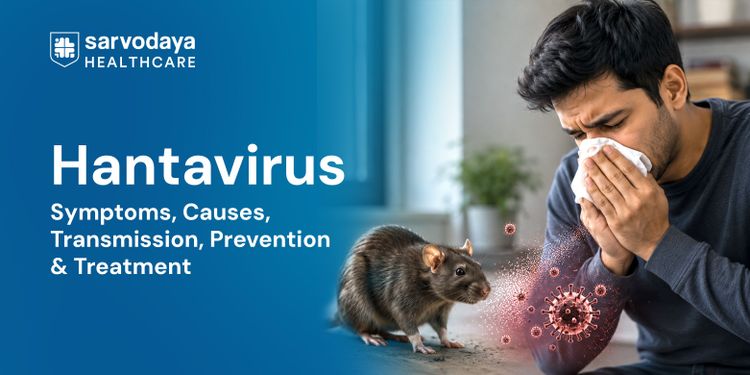


Three years after the world battled COVID-19, headlines are once again drawing attention to another virus - Hantavirus. While hantaviruses have existed for decades, recent reports of human infections have brought the disease back into global discussions. Its high fatality rate, especially in severe cases, has naturally raised concerns among people still sensitive to the memories of the pandemic.
Hantavirus is a rare but potentially life-threatening viral infection transmitted mainly through contact with infected rodents (house rats, deer mice, brown rats, field rats, etc.) and their droppings, urine, or saliva. While cases are uncommon, hantavirus infections can lead to severe complications involving the lungs, heart, kidneys, and blood vessels. In some regions, the disease carries a high fatality rate, making awareness, early diagnosis, and prevention extremely important.
However, unlike COVID-19, hantavirus is not considered highly contagious among humans. In fact, most hantavirus infections occur through contact with infected rodents or their urine, saliva, and droppings — not through routine human-to-human spread.
The World Health Organisation has not declared hantavirus a global emergency or outbreak threat, and experts currently consider the overall risk to the public to be low.
Still, awareness is important. Understanding what hantavirus is, how it spreads, its symptoms, and the precautions needed can help people stay informed rather than fearful. So, what exactly is hantavirus, how dangerous is it, and what steps should one take to stay safe? Let us explore in this blog.
What is Hantavirus?
Hantaviruses are a group of zoonotic viruses, meaning they spread from animals to humans. These viruses naturally infect rodents such as rats and mice without causing illness in them. Humans become infected accidentally through exposure to contaminated rodents’ urine, saliva, or droppings.
Key Facts about Hantavirus
- Hantaviruses are carried by rodents like rats, mice etc.
- Humans usually get infected through exposure to infected rodent urine, saliva, or droppings.
- The virus can lead to severe respiratory or kidney-related illnesses.
- HCPS can have a fatality rate of up to 50%.
- Andes virus in South America is the only hantavirus known to show limited human-to-human transmission, that too after close, prolonged contact.
- There is currently no specific cure or licensed vaccine for hantavirus infection.
- Early supportive medical care significantly improves survival.
Common Rodents Associated with Hantavirus
- Deer mice – One of the most common carriers in North America
- White-footed mice – Known carriers in certain regions
- Cotton rats – Associated with hantavirus transmission in parts of the Americas
- Rice rats – Another recognised reservoir species
- House rats and field rats – Certain species in Asia and Europe can carry hantaviruses linked to HFRS
- Striped Field Mice, Bank Voles and Brown rats – Commonly associated with hantavirus infections affecting the kidneys and blood vessels in Asia and Europe
Types of Hantavirus Diseases
Hantavirus Cardiopulmonary Syndrome (HCPS)
HCPS is a severe respiratory illness commonly reported in the Americas. It affects the lungs and cardiovascular system.
Features / Symptoms of HCPS
- Rapid breathing difficulty
- Fluid accumulation in the lungs
- Low oxygen levels
- Shock and heart complications
- High mortality risk
The condition can worsen quickly within hours, making early hospitalisation critical. It is important to consult a pulmonologist for hantavirus if you experience any such symptoms.
Haemorrhagic Fever with Renal Syndrome (HFRS)
HFRS mainly occurs in Europe and Asia and primarily affects the kidneys and blood vessels.
Features / Symptoms of HFRS
- Fever and weakness
- Bleeding tendencies
- Low blood pressure
- Kidney dysfunction or kidney failure
- Reduced urine output
Severity may range from mild illness to life-threatening complications. Visit the top pulmonology hospital in Faridabad for such symptoms.
What Causes Hantavirus Infection?
Hantavirus infection is caused by exposure to hantaviruses carried by infected rodents. These viruses are naturally present in certain species of mice and rats, which can spread the virus through their urine, saliva, and droppings without appearing sick themselves.
Humans usually become infected accidentally after coming into contact with contaminated environments, especially closed or poorly ventilated spaces where infected rodents have been present.
Common Causes of Hantavirus and Modes of Exposure
A person may get infected through:
- Breathing contaminated air containing tiny virus particles from dried rodent urine or droppings
- Touching contaminated surfaces and then touching the nose, mouth, or eyes
- Handling rodent nests or waste
- Consuming food contaminated by infected rodents
- Rodent bites, although this is considered rare
Activities That Increase Risk of Hantavirus
Certain activities can increase exposure to hantavirus, such as:
- Cleaning abandoned rooms, basements, warehouses, or attics
- Sweeping or vacuuming rodent droppings
- Farming and agricultural work
- Forestry and outdoor activities
- Camping or staying in rodent-infested areas
- Living in places with poor sanitation or rodent infestation
Does Hantavirus Spread from Person to Person?
In most cases, hantavirus does not spread between humans. Unlike COVID-19, it is not considered highly contagious.
However, a rare strain called Andes virus, found mainly in parts of South America, has shown limited human-to-human transmission among close contacts such as family members or partners.
For the vast majority of hantavirus infections worldwide, rodents remain the primary source of transmission.
How Does Hantavirus Spread?
Rodent-to-Human Transmission
The most common transmission route is inhalation of airborne particles contaminated with infected rodent waste.
Activities that increase exposure include:
- Cleaning closed or dusty spaces
- Farming and agricultural work
- Forestry work
- Sleeping in rodent-infested areas
- Handling rodent nests or contaminated materials
Human-to-Human Transmission
Human-to-human spread is extremely rare.
Currently, limited transmission has only been documented with the Andes virus in South America, mainly among close household contacts or intimate partners during the early stages of illness.
If you are still concerned regarding the disease, consult the best Pulmonologist in Delhi NCR or a Top Pulmonologist in Greater Noida.
Hantavirus Symptoms
Hantavirus Symptoms usually appear between 1 and 8 weeks after exposure.
Early Symptoms of Hantavirus
Initial symptoms often resemble flu-like illness and may include:
- Fever
- Headache
- Muscle pain
- Fatigue
- Chills
- Nausea
- Vomiting
- Abdominal pain
- Diarrhoea
Because symptoms are non-specific, early diagnosis can be difficult. If you experience any such symptoms, visit a pulmonology hospital in Faridabad or near you.
Severe Symptoms of Hantavirus
Symptoms of HCPS (Hantavirus Cardio-pulmonary Syndrome)
As the disease progresses, patients may develop:
- Persistent cough
- Shortness of breath
- Chest tightness
- Difficulty breathing
- Fluid buildup in the lungs
- Low blood pressure
- Shock
This phase can become critical very rapidly.
Symptoms of HFRS (Haemorrhagic Fever with Renal Syndrome)
Patients may develop:
- Kidney problems
- Bleeding disorders
- Low blood pressure
- Swelling
- Reduced urine output
- Kidney failure
How is Hantavirus Diagnosed?
Early diagnosis of hantavirus is challenging because symptoms resemble those of many other viral illnesses.
Visit the best pulmonologist in Delhi NCR to get the symptoms evaluated. Doctors may usually ask:
- Recent rodent exposure
- Occupational risk
- Travel history
- Environmental exposure
- Contact with known cases
Laboratory Tests for Hantavirus
Diagnosis for Hantavirus disease may involve:
- Serological Tests: Detect hantavirus-specific antibodies, such as IgM antibodies and rising IgG antibody levels
- RT-PCR Testing: Reverse Transcription Polymerase Chain Reaction (RT-PCR) detects viral genetic material during the acute phase.
Diseases That May Mimic Hantavirus
Doctors may need to differentiate hantavirus from:
- Influenza
- COVID-19
- Viral pneumonia
- Dengue fever
- Leptospirosis
- Sepsis
Treatment for Hantavirus
Currently, there is no specific antiviral cure and no universally approved vaccine. For Hantavrius treatment, doctors mainly focus on managing the symptoms and complications and providing supportive care to the patients.
Since the human-to-human transmission is rare, there is no need to worry as of now, but it is always better to take necessary hygienic precautions like avoiding close contact with people suffering from fever, cough, not touching random surfaces, sanitising hands properly and following all government and World Health Organisation guidelines for Hantavirus.
Supportive Treatment for Hantavirus Includes
- Oxygen therapy
- Intensive care monitoring
- Mechanical ventilation, if required
- Blood pressure support
- Fluid management
- Kidney support or dialysis
Early admission to intensive care at the best pulmonology hospital in Noida or near you can significantly improve survival, especially in HCPS cases.
Who is at Higher Risk of Hantavirus?
People at higher risk of Hantavirus include:
- Farmers
- Forestry workers
- Campers and hikers
- Rural residents
- Pest control workers
- People cleaning abandoned buildings or storage areas
How to Prevent Hantavirus Infection?
Prevention of Hantavirus mainly focuses on avoiding contact with rodents and contaminated environments.
Effective Prevention Tips for Hantavirus Disease
- Keep Homes and Workplaces Clean
- Close holes and gaps that allow rodents into buildings
- Store Food Properly
- Keep food in sealed containers
- Practice Safe Cleaning
- Avoid sweeping or vacuuming rodent droppings directly
- Improve Hand Hygiene
- Wash your hands thoroughly after handling potentially contaminated materials
Hantavirus Prevention in Healthcare Settings
To avoid contamination and spread of Hantavirus in healthcare setups, hospitals, clinics, nurses, nursi and healthcare workers should follow:
- Standard infection control precautions
- Hand hygiene protocols
- Safe handling of body fluids
- Isolation measures for suspected cases
- Airborne precautions during aerosol-generating procedures
The risk of hospital-based transmission is considered very low when proper protocols are followed.
When Should You Seek Medical Help?
Seek immediate medical attention if you experience:
- Fever with severe body aches
- Breathing difficulty
- Sudden shortness of breath
- Chest tightness
- Symptoms after rodent exposure
Early medical intervention can be lifesaving.
Role of WHO in Hantavirus Control
The World Health Organisation works with countries to:
- Strengthen surveillance systems
- Improve laboratory diagnosis
- Support outbreak response
- Develop clinical management guidelines
- Promote One Health approaches linking human, animal, and environmental health
More information is available on the official WHO website: World Health Organization (WHO)
Conclusion
Hantavirus is a rare but potentially deadly infection transmitted mainly through infected rodents. Although uncommon, it can rapidly progress to severe lung, heart, or kidney complications. Since no specific cure or vaccine currently exists, prevention remains the best defence.
Maintaining clean surroundings, preventing rodent infestations, and practising safe cleaning methods are essential to reduce risk. Early recognition of symptoms and prompt medical care can significantly improve outcomes and save lives.
Since its spread to humans is rare, there is no need to worry and panic. If you want to understand more about the virus and preventive tips, meet the best pulmonology doctors near you and get all your queries resolved. Sarvodaya Hospital in Faridabad and Mathura follows a strict infection control and zero contamination policy that restricts the spread of any infection. If you experience any symptoms related to virus for prolonged time, visit the hospital and get your symptoms evaluated.
Some Others Virus: