


Sleep plays a vital role in maintaining overall health, yet millions of people experience disturbed sleep without realising that the underlying cause is a medical condition. One such condition is sleep apnea, a serious sleep disorder that disrupts breathing during sleep and places immense strain on the body. Left untreated, it can silently affect the heart, lungs, brain and daily functioning, reducing both physical wellbeing and emotional health.
In this blog, we explain what sleep apnea is, understand common sleep apnea symptoms, and discuss diagnosis and sleep apnea treatment options.
Exploring Sleep Apnea
Sleep apnea is a sleep disorder in which breathing repeatedly stops and starts during sleep. These pauses in breathing reduce oxygen levels in the blood and force the body to wake briefly in order to resume breathing, often without the person being aware of it. At a specialised pulmonology hospital, sleep apnea is diagnosed and managed with advanced respiratory care.
From a medical perspective, the sleep apnea definition refers to recurrent episodes of partial or complete obstruction of airflow during sleep. The sleep apnea meaning lies in the word apnea, which means a pause in breathing. Sleep apnea is not merely about loud snoring. It is a chronic condition that can significantly affect sleep quality and overall health if not diagnosed and treated appropriately by the best pulmonologist in Delhi NCR.
Types of Sleep Apnea
Sleep apnea occurs in different forms, depending on the underlying cause. The main types include the following.
- Obstructive Sleep Apnea: This is the most common form of sleep apnea and occurs when the muscles at the back of the throat relax excessively during sleep, causing airway blockage. Obstructive sleep apnea is often associated with obesity, structural airway issues and lifestyle factors.
- Central Sleep Apnea: This form develops when the brain fails to send proper signals to the muscles that control breathing. It is less common and often linked to neurological or cardiac conditions.
- Complex Sleep Apnea: This is a combination of both obstructive and central sleep apnea, requiring specialised evaluation and care.
Common Sleep Apnea Symptoms
The symptoms of sleep apnea often develop gradually and may go unnoticed for years. Many people dismiss the warning signs as routine fatigue or stress, which delays diagnosis and treatment.
Some of the most commonly reported sleep apnea symptoms include the following:
- Loud and persistent snoring
- Pauses in breathing during sleep, followed by choking or gasping sounds
- Excessive daytime sleepiness despite spending adequate hours in bed
- Morning headaches and a dry mouth upon waking
- Difficulty concentrating and memory problems
- Mood changes such as irritability, anxiety or low motivation
There are also early signs of sleep apnea you should not ignore, especially if they occur regularly. These include unexplained fatigue, frequent nighttime awakenings and a decline in work performance.
Read More- Struggling With Sleep? A Complete Guide to Sleep Disorders and Their Treatment
Causes of Sleep Apnea
The development of sleep apnea is influenced by a combination of anatomical, lifestyle and medical factors.
Several factors can increase the risk of developing sleep apnea, including the following:
- Excess body weight, which contributes to airway narrowing
- Structural issues such as enlarged tonsils, a thick neck or a recessed jaw
- Smoking and regular alcohol consumption, especially before bedtime
- Family history of sleep apnea or airway disorders
- Advancing age, which increases airway muscle relaxation during sleep
In the case of obstructive sleep apnea, airway collapse during sleep is the primary cause. This makes treatment of obstructive sleep apnea particularly focused on maintaining airway patency throughout the night. Conditions such as nasal congestion and chronic sinus issues may further worsen symptoms.
Health Risks Caused by Sleep Apnea
Untreated sleep apnea is more than a sleep disturbance. It is a chronic medical condition that places repeated stress on vital organs.
Some of the major health risks associated with untreated sleep apnea include the following:
- High blood pressure and heart disease due to repeated oxygen deprivation
- Increased risk of stroke and irregular heart rhythms
- Poor blood sugar control and worsening diabetes
- Chronic fatigue that may lead to accidents or reduced work productivity
- Mental health issues such as depression and anxiety
Sleep Apnea Diagnosis
Diagnosis usually begins with a detailed clinical evaluation conducted by a sleep medicine specialist. The doctor reviews medical history, sleep patterns and reported sleep apnea symptoms. This is followed by diagnostic testing to confirm the condition and determine its severity.
The most commonly used diagnostic methods include the following:
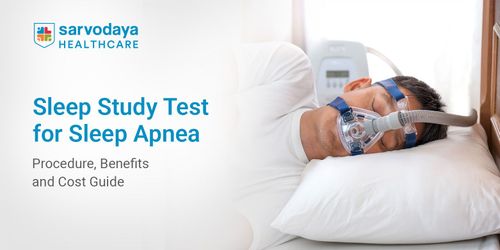
- An overnight sleep study, or polysomnography, is conducted in a specialised sleep lab.
- Monitoring of breathing patterns, oxygen levels, heart rate and sleep stages
- Home sleep testing for selected patients with moderate risk
- Clinical assessment by a pulmonologist or chest care expert
Consulting a qualified sleep apnea doctor near me ensures a timely diagnosis and prevents complications associated with delayed treatment.
Read More- Sleep Study Test for Sleep Apnea: Procedure, Benefits and Cost Guide
Sleep Apnea Treatment Options
Once diagnosed, the focus shifts to selecting the most appropriate sleep apnea treatment based on the type and severity of the condition. The goal of therapy is to restore normal breathing during sleep, improve sleep quality and reduce health risks.
There are several proven approaches to sleep apnea treatment, which include the following:
- Lifestyle modifications such as weight management, avoiding alcohol before sleep and positional therapy
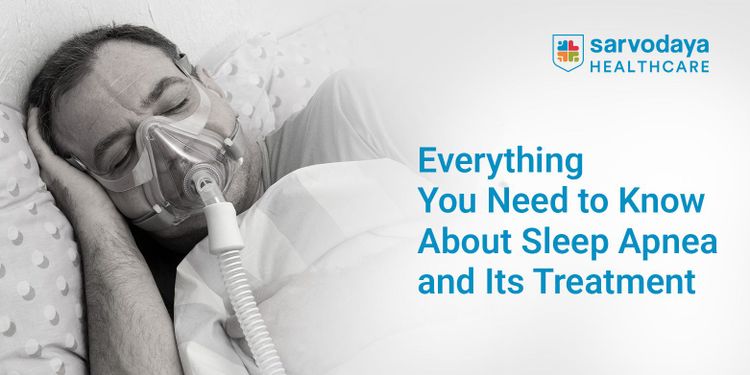
- Continuous positive airway pressure therapy is commonly used for moderate to severe cases.
- Oral appliances that help keep the airway open during sleep
- Surgical interventions in selected cases where anatomical issues are present
Many individuals also explore the best treatment for sleep apnea without CPAP, especially when CPAP therapy is not well tolerated. These alternatives may include oral devices, targeted exercises and surgical correction when appropriate.
Conclusion
Sleep apnea is a serious but manageable condition when diagnosed early and treated correctly. With the right approach, individuals can regain energy, improve focus and protect long-term health.
Sarvodaya Hospital, Faridabad, offers comprehensive evaluation and advanced care for patients with sleep apnea through its dedicated pulmonology and chest care services. With access to experienced specialists, including a pulmonologist in Faridabad and a pulmonologist in Noida, modern sleep diagnostics, and personalised treatment plans, Sarvodaya Hospital supports effective recovery and long-term management. A preventive consultation can help identify risks early, guide lifestyle changes, and ensure timely intervention before complications develop.
Early diagnosis and appropriate care can make a lasting difference, so take the next step and book an appointment now to begin your journey towards healthier sleep and a better quality of life.