


Sleep is essential for physical health, emotional balance, and overall well-being. However, for many people, quality sleep remains elusive due to underlying sleep-related problems. Over time, untreated sleep disturbances can increase the risk of heart disease, high blood pressure, reduced concentration, and long-term exhaustion.
In this blog, we explain what is sleep study, how a sleep study test works, the role of the polysomnogram test in diagnosing sleep conditions, and why timely testing is essential for accurate diagnosis of sleep disorders.
Exploring the Polysomnogram Test
A polysomnogram test monitors essential physiological activities throughout the night to detect abnormalities that may disrupt regular sleep. These recordings help the chest specialist in Noida understand how the brain, lungs, heart, and muscles function during different sleep stages.
The polysomnogram typically records the following:
- Brain activity to assess sleep stages and cycles
- Eye movement to identify REM and non-REM sleep
- Muscle activity to detect abnormal movements
- Heart rate and rhythm
- Oxygen levels and airflow to identify breathing problems during sleep
Because of its accuracy, the polysomnogram test is also considered the gold standard for sleep apnea testing, especially for patients with chronic snoring, breathing interruptions, or excessive daytime tiredness.
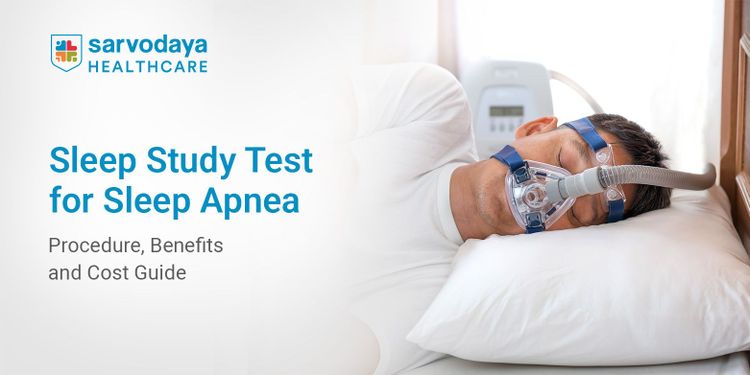
Sleep Study Working
Before beginning the test, the patient is advised to follow regular daily routines and avoid stimulants such as caffeine. Once admitted to the sleep centre, the procedure is carried out under expert supervision by a chest specialist in Delhi.
The sleep study process generally includes the following steps:
- Small sensors are gently placed on the scalp, chest, face, and legs.
- These sensors record breathing, oxygen levels, heart rate, and brain activity.
- The patient sleeps overnight in a quiet, monitored environment.
- A trained technician observes the recordings throughout the night.
During the sleep study, the patient is free to change sleeping positions, ensuring natural sleep behaviour. This helps doctors determine which sleep study test results are abnormal and how they relate to the patient’s symptoms.
Read More- Struggling With Sleep? A Complete Guide to Sleep Disorders and Their Treatment
Patients Who Benefit From a Sleep Study Test
A sleep study test is recommended for people who struggle to fall asleep, but also for those who appear to sleep for long hours yet wake up feeling unrefreshed. Many sleep-related conditions develop gradually and are often mistaken for stress or lifestyle fatigue.
A sleep study may be recommended for individuals experiencing the following:
- Loud and persistent snoring that disrupts sleep
- Pauses in breathing or choking sensations during sleep indicate the need for a sleep apnea test.
- Frequent awakenings at night without a clear reason
- Excessive tiredness linked to daytime sleepiness causes
- Difficulty concentrating, memory problems, or mood changes
- Ongoing breathing problems during sleep
A pulmonologist in Faridabad carefully evaluates symptoms before recommending testing, ensuring that the study is both necessary and beneficial.
Sleep Disorders Diagnosed Through a Sleep Study
Once the polysomnogram test data is analysed, doctors can determine the exact nature and severity of the sleep disturbance. This enables personalised treatment planning rather than relying on symptom-based assumptions.
Common conditions diagnosed through a sleep study include:
- Obstructive sleep apnoea, confirmed through a detailed sleep apnoea test by a pulmonologist in Noida
- Snoring-related sleep disturbances assessed through a snoring sleep study
- Insomnia caused by disrupted sleep cycles
- Restless leg syndrome and periodic limb movement disorders
- Narcolepsy and other neurological sleep conditions
What to Expect During a Sleep Study Test
A sleep study is conducted in a calm, controlled setting designed to mimic a natural sleeping environment as closely as possible. On arrival at the sleep centre, a trained technician explains the procedure and prepares the patient for monitoring. The test is completely non-invasive and does not involve needles or painful equipment. Patients are encouraged to follow their usual bedtime routine to ensure accurate results.
Before the study begins, the following preparations are typically made:
- Sensors are gently attached to the scalp, chest, and limbs.
- A small device monitors oxygen levels and breathing patterns.
- Heart rate and muscle activity are recorded throughout the night.
- A video and audio system monitors sleep behaviour unobtrusively.
Sleep Study Test Cost and Price
The sleep study test price can vary depending on several factors. A standard overnight sleep study conducted in a hospital setting generally costs more than simplified home-based monitoring. However, in-lab testing offers greater accuracy and is often recommended for comprehensive sleep disorder diagnosis.
Factors that influence the sleep study test cost include:
- Whether a full polysomnogram test is required
- The duration of monitoring
- Hospital infrastructure and diagnostic technology
- Interpretation by the best pulmonologist in Delhi NCR
Conclusion
Sleep-related disorders often develop silently and progress over time, affecting physical health, emotional balance, and daily performance. With a professionally conducted sleep study test, individuals can receive an accurate diagnosis and begin appropriate treatment before complications arise.
Sarvodaya Hospital, Faridabad, offers comprehensive diagnostic and treatment support for sleep-related conditions through its advanced facilities and experienced specialists. With access to expert pulmonologists, modern diagnostic tools, and a patient-centred approach, this chest hospital in Delhi ncr ensures accurate evaluation of sleep disorders and the development of effective management plans. A preventive consultation at Sarvodaya can help identify early signs of sleep-related problems, enabling timely intervention and long-term health protection.
Take the first step towards healthier sleep and book an appointment now to consult a specialist and begin your journey towards restorative rest.