


Tuberculosis remains one of the most significant infectious diseases, affecting millions of people worldwide, including a large population in India. The disease is caused by bacteria that primarily attack the lungs, though it can also affect other organs.
In this blog, we discuss the major symptoms of tuberculosis, the available treatments, and the important strategies for tuberculosis prevention.
Understanding Tuberculosis
Tuberculosis is an infectious disease caused by the bacterium Mycobacterium tuberculosis. The infection most commonly affects the lungs, where it damages lung tissue and interferes with normal breathing. However, the bacteria can also spread to other parts of the body, including the lymph nodes, bones, kidneys and brain. When untreated, the infection can gradually worsen and lead to serious health complications.
Healthcare providers, including TB specialists, play a crucial role in diagnosing the disease and guiding patients through appropriate tuberculosis treatment.
Tuberculosis Symptoms
Tuberculosis often develops gradually, and its symptoms may initially resemble those of common respiratory infections.
The following are some of the most commonly observed TB symptoms that should not be ignored:
- Persistent Cough Lasting More than Three Weeks: A continuous cough is one of the most noticeable TB symptoms and often worsens over time.
- Chest Pain: Chest pain or discomfort while breathing or coughing can indicate lung involvement.
- Coughing up Blood or Sputum: In advanced cases, individuals may cough up blood, which is a serious sign among tuberculosis symptoms.
- Fever and Night Sweats: Low-grade fever accompanied by excessive night sweating is frequently reported in patients with tuberculosis.
- Fatigue and Weakness: The infection can cause prolonged tiredness and reduced energy levels.
- Loss of Appetite: Patients often experience decreased appetite along with unexplained weight loss.
- Breathing Discomfort: Difficulty breathing or shortness of breath may develop as the infection progresses.
If these TB symptoms persist for more than two weeks, visiting a chest hospital in Delhi is important for timely medical evaluation.
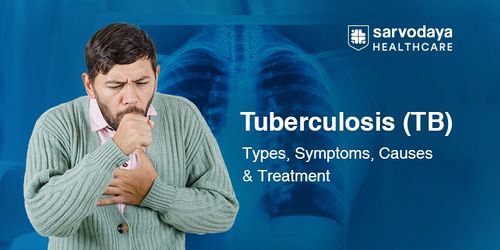
Read More- Tuberculosis (TB): Types, Symptoms, Causes and Treatment
Tuberculosis Causes and Risk Factors
The infection spreads through microscopic droplets released into the air when an infected individual coughs, sneezes or speaks. Several environmental and health-related factors contribute to the causes of TB.
Some of the major tuberculosis causes and contributing factors include:
- Exposure to Infected Individuals: Close contact with someone who has active tuberculosis significantly increases the risk.
- Weak Immune System: Conditions such as diabetes, HIV or malnutrition can weaken immunity and make individuals more vulnerable.
- Overcrowded Living Conditions: Poor ventilation and crowded spaces facilitate the spread of bacteria.
- Poor Nutrition: Inadequate nutrition reduces the body's ability to fight infection.
- Chronic Illnesses: Certain medical conditions may increase susceptibility to tuberculosis.
- Delayed Diagnosis or Treatment: Untreated infections can spread easily and worsen over time.
Understanding the causes of TB and recognising the risk factors enables individuals to take early action and seek expert evaluation from a pulmonologist in Noida.
How Tuberculosis Spreads
Tuberculosis droplets can remain suspended in the air for a period of time and may be inhaled by people nearby.
The following factors commonly contribute to the transmission of tuberculosis:
- Airborne Droplets from Coughing or Sneezing: When a person with active TB coughs, sneezes or speaks, microscopic droplets containing bacteria are released into the air.
- Close and Prolonged Contact with Infected Individuals: Living or spending extended periods with someone who has active tuberculosis increases the risk of exposure.
- Crowded Environments: Places with large numbers of people and limited space make it easier for bacteria to spread.
- Poor Ventilation: Enclosed spaces without adequate airflow allow infectious droplets to remain in the air longer.
- Delayed Diagnosis and Treatment: Untreated individuals continue to spread bacteria until they receive proper tuberculosis treatment.
Diagnosis of Tuberculosis
The diagnostic process generally includes a combination of clinical evaluation and laboratory investigations.
Common diagnostic methods include:
- Medical History and Physical Examination: Doctors assess symptoms, medical background and possible exposure to tuberculosis.
- Chest X-ray: Imaging helps identify abnormalities in the lungs associated with tuberculosis symptoms.
- Sputum Examination: Laboratory analysis of sputum samples detects the presence of tuberculosis bacteria.
- Molecular Diagnostic Tests: Advanced tests can rapidly confirm infection and identify drug-resistant strains.
- Blood Tests and Additional Investigations: These tests help evaluate overall health and detect related complications.
For accurate evaluation and treatment planning, patients are often advised to visit a tuberculosis hospital in Delhi NCR to ensure appropriate diagnosis and personalised care.
Tuberculosis Treatment in India
Tuberculosis is a serious infection, but with timely medical care, it is highly treatable.
The following components are typically involved in tuberculosis treatment:
- Antibiotic Medication Regimen: Patients are prescribed a combination of anti-tuberculosis drugs that kill the bacteria and control the infection.
- Long-Term Treatment Duration: Most treatment courses last 6 months or longer to eliminate the bacteria completely.
- Strict Medication Adherence: Completing the full course of tuberculosis treatment is essential to prevent relapse and drug resistance.
- Monitoring by Doctors: Regular follow-ups help doctors track progress and manage any side effects.
- Management of Drug-Resistant TB: In some cases, specialised treatment plans are required when bacteria do not respond to standard treatment.
Tuberculosis Prevention
Public health initiatives and individual precautions together contribute to effective tuberculosis prevention.
The following preventive measures help reduce the risk of infection:
- Early Diagnosis and Treatment: Prompt detection of tuberculosis symptoms and immediate tuberculosis treatment helps prevent transmission.
- Vaccination: The BCG vaccine protects against severe forms of tuberculosis, particularly in children.
- Maintaining Good Respiratory Hygiene: Covering the mouth and nose while coughing or sneezing reduces the spread of bacteria.
- Improving Ventilation in Living Spaces: Fresh airflow decreases the concentration of infectious droplets in the air.
Conclusion
Tuberculosis remains a significant public health concern, but it is a disease that can be effectively managed with treatment.
Sarvodaya Hospital, Faridabad, offers comprehensive care for respiratory illnesses, including tuberculosis. With advanced diagnostic facilities and the best pulmonologists in Delhi NCR, the hospital provides reliable support for patients requiring specialised care.
Consult experienced specialists and take the necessary steps toward better health. For expert guidance and timely care, book an appointment now.