



Asthma is a chronic respiratory condition that can significantly affect a person’s ability to breathe comfortably and live an active life. From sudden breathlessness to persistent coughing and chest tightness, asthma symptoms can interfere with daily routines, sleep patterns and overall well-being. For many individuals, asthma is not just a physical challenge but also an emotional one, as fear of sudden attacks can limit confidence and independence.
In this blog, we discuss what asthma is, its early warning signs, underlying reasons, different types, and available asthma treatment options.
Understanding Asthma
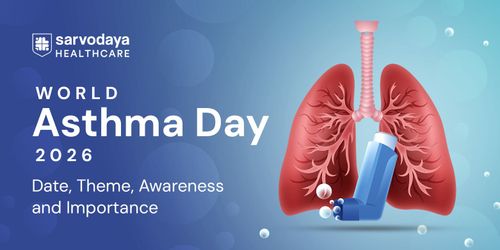
The asthma definition refers to a long-term condition in which the airways of the lungs become inflamed, narrowed and overly sensitive. This inflammation causes difficulty in breathing when exposed to certain triggers such as dust, pollution or infections. The meaning of asthma lies in this chronic airway inflammation that leads to recurring episodes of wheezing, coughing and breathlessness.
Asthma can affect people of all ages, and while it often develops during childhood, many individuals experience the onset of symptoms during adulthood. Understanding the reason behind asthma-related breathing discomfort helps patients seek timely diagnosis and structured care rather than ignoring symptoms until they worsen.
Symptoms of Asthma
Asthma symptoms can vary from person to person and may range from mild discomfort to severe breathing distress.
Some of the most commonly observed symptoms include the following:
- Shortness of breath, especially during physical activity or at night
- Wheezing or a whistling sound while breathing
- Chest tightness or pressure
- Persistent coughing, particularly at night or early morning
- Difficulty in speaking during severe breathing episodes
It is important to note that asthma symptoms in adults may present differently compared to children. When these symptoms become frequent or interfere with sleep and work, medical evaluation becomes essential.
Causes and Reasons Behind Asthma
Asthma does not have a single cause and often develops due to a combination of genetic and environmental factors.
Several factors are commonly associated with asthma in individuals:
- Family history of asthma or allergies
- Exposure to air pollution, dust or smoke
- Respiratory infections during early childhood
- Occupational exposure to chemicals or fumes
- Long-term exposure to allergens such as pollen or pet dander
Avoiding these triggers, along with the right asthma treatment, can significantly reduce the frequency and severity of asthma attacks.
Types of Asthma
Asthma is not a one-size-fits-all condition. The severity, triggers and frequency of symptoms vary from person to person.
There are several recognised types of asthma, which include the following:
- Allergic Asthma: This type is triggered by allergens such as dust mites, pollen, mould or pet dander. Individuals often have a history of allergies along with asthma symptoms.
- Non-Allergic Asthma: Symptoms are triggered by factors such as stress, infections, cold air or strong odours rather than allergens.
- Exercise-Induced Asthma: Breathing difficulties occur during or after physical activity, especially in cold or dry conditions.
- Occupational Asthma: This develops due to prolonged exposure to irritants or chemicals in the workplace, such as fumes, gases or dust.
- Severe Asthma: A more complex form that does not respond well to standard asthma treatment and requires close medical supervision.
Diagnosis and Medical Evaluation of Asthma
Doctors rely on a combination of medical history, physical examination and diagnostic tests to confirm what asthma is and assess its severity.
Common diagnostic methods include:
- Lung function tests measure airflow and breathing capacity.
- Spirometry to assess airway obstruction
- Allergy testing to identify triggers
- Chest examination to rule out other respiratory conditions
Seeking guidance from the best pulmonologist in Noida can help patients receive an accurate diagnosis and a structured treatment plan at the right time.
Asthma Treatment and Management Options
The primary goals of asthma management include reducing airway inflammation, improving breathing and preventing sudden asthma attacks. Treatment plans are usually tailored based on the severity of symptoms, asthma type and individual triggers.
Asthma treatment commonly includes the following approaches:
- Inhaler Therapy: Inhalers are the most widely used treatment option. They help deliver medication directly to the lungs, providing quick relief during attacks and long-term control of airway inflammation.
- Oral Medications: Tablets may be prescribed in certain cases to reduce inflammation or control allergic reactions contributing to asthma.
- Preventive Medications: These are taken regularly to minimise symptoms and prevent severe attacks, even when the patient feels well.
- Trigger Avoidance Strategies: Identifying and avoiding known triggers plays a vital role in managing asthma effectively.
Regular follow-ups with a respiratory specialist are essential to adjust treatment as needed. Consulting the most qualified pulmonologist in Delhi NCR ensures access to comprehensive asthma management and expert guidance.
Lifestyle Changes to Support Asthma Control
Medical treatment works best when supported by healthy lifestyle habits. Simple daily adjustments can significantly improve asthma control and reduce symptom frequency.
Certain lifestyle measures can help individuals manage asthma more effectively:
- Maintaining a clean and dust-free living environment
- Avoiding exposure to smoke, pollution and strong fragrances
- Following a balanced diet to support overall lung health
- Engaging in regular physical activity with medical guidance
- Managing stress, which can act as an asthma trigger
Patients are also encouraged to follow their prescribed medication schedule strictly and attend routine check-ups. Guidance from a specialist at a trusted chest hospital in Delhi NCR can help individuals understand how lifestyle choices influence asthma symptoms and long-term outcomes.
Conclusion
Asthma is a long-term respiratory condition that requires consistent care, awareness and timely medical support. With proper diagnosis, structured asthma treatment, and lifestyle modifications, most people with asthma can lead active and fulfilling lives.
Sarvodaya Hospital, Faridabad, is recognised as a trusted centre for comprehensive respiratory care and is often considered among the best hospitals in India for advanced pulmonary treatment. With access to modern diagnostic facilities, experienced specialists, and patient-focused care, the hospital offers effective asthma management under expert supervision. Patients consulting the top pulmonologist in Faridabad at Sarvodaya Hospital benefit from personalised treatment plans and preventive consultations that help reduce complications and improve long-term outcomes.
If you or your loved one experiences recurring breathing issues, coughing or chest tightness, seeking timely medical advice is essential. Book an appointment now to avail an early evaluation and preventive care that helps avoid severe asthma attacks and long-term lung damage.